Carbon steel is widely used in industrial manufacturing for its strength, durability, and cost-effectiveness. With extensive manufacturing experience and advanced processing capabilities, Longwang specializes in producing high-quality custom carbon steel parts through precision CNC machining, turning, sheet metal fabrication, welding, surface finishing, and rigorous quality control.
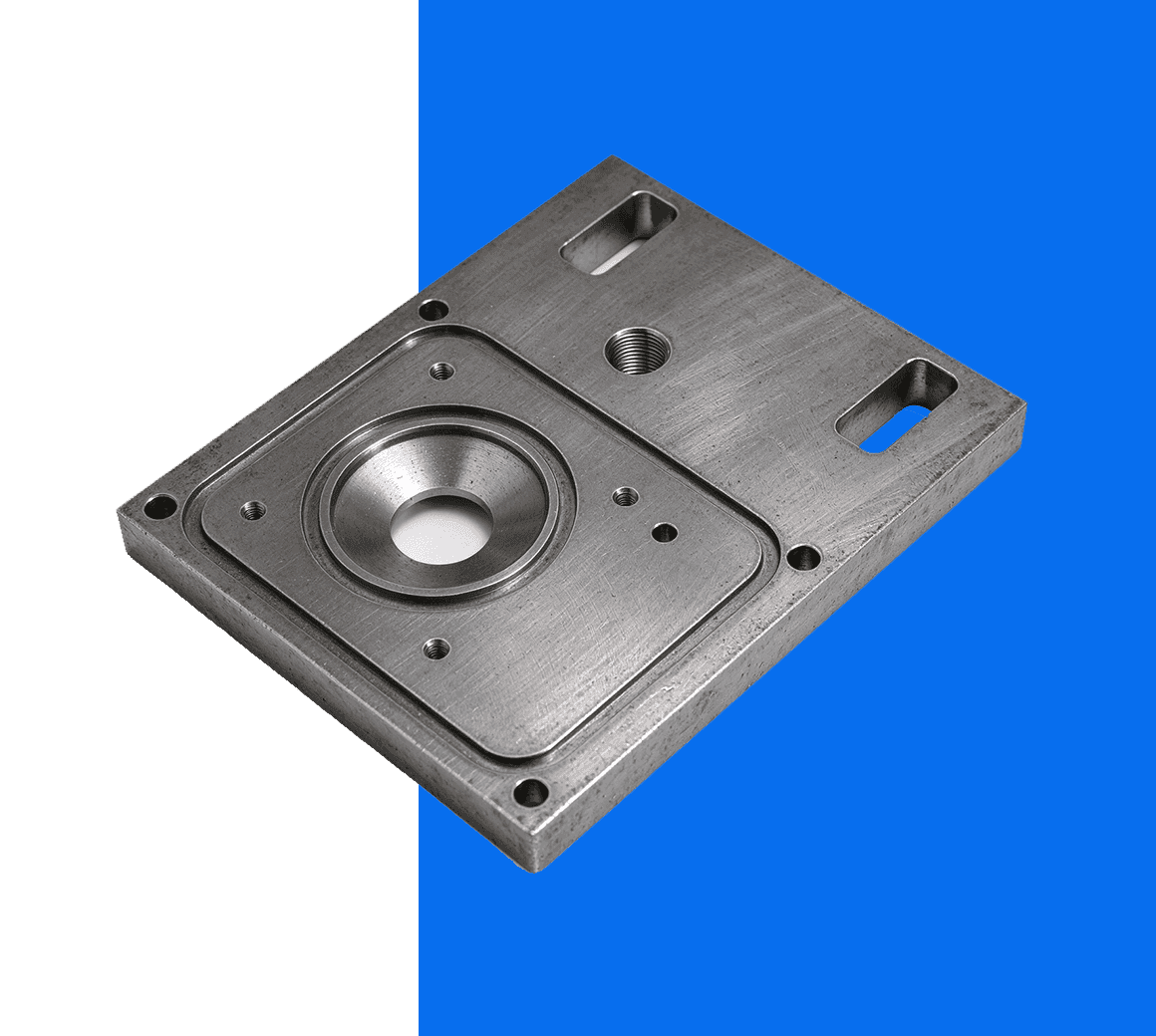
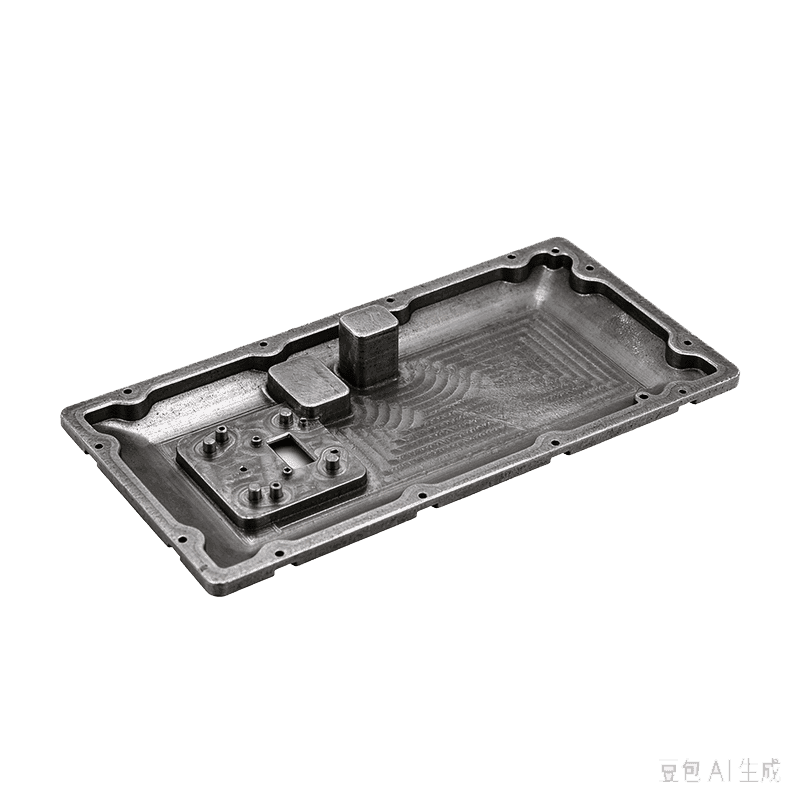
Carbon steel is a widely used engineering material, valued for its high strength, durability, cost-effectiveness, and versatility in manufacturing. Composed primarily of iron and carbon—along with small amounts of elements such as manganese, silicon, phosphorus, and sulfur—its mechanical properties and machinability vary based on carbon content, material grade, and processing conditions. In manufacturing, low-carbon steel is frequently used for sheet metal fabrication, which often involves processes like bending, stamping, and welding—operations that require good material plasticity and weldability. Conversely, for certain CNC-machined components—such as shafts, gears, or high-load connectors—the focus shifts toward strength, wear resistance, and heat-treatment characteristics.
Accordingly, Longwang provides customized carbon steel processing and manufacturing services tailored to specific requirements and applications, ranging from prototyping and small-batch orders to large-scale production. Our capabilities encompass CNC milling, CNC turning, laser cutting, bending, welding, surface treatment, and assembly support. We are dedicated to helping our clients produce reliable carbon steel components for use in automotive equipment, industrial machinery, electronics, automation systems, and various other engineering sectors.
ASTM A36 is a commonly used structural carbon steel known for its weldability, affordability, and reliable mechanical performance. It is frequently supplied as hot-rolled plates, bars, and structural shapes for fabrication applications. It is generally suitable for laser cutting, drilling, welding, and structural assembly. Longwang fabricates ASTM A36 for mounting plates, machine bases, steel brackets, support frames, industrial equipment structures, and custom welded assemblies requiring strength and cost-effective manufacturing.
Q235B is a general-purpose carbon structural steel that complies with the Chinese standard GB/T 700. Because its elemental composition is very similar to that of A36—making Q235B roughly equivalent to A36—it shares the same excellent weldability, formability, and mechanical properties as A36. Furthermore, as it is a cost-effective material, it is frequently used for manufacturing structural steel plates, welded frames, equipment supports, and various other general structural components.
Q195 is a low-carbon structural steel that complies with the Chinese GB/T 700 standard. It is characterized by its softness and excellent ductility, formability, and weldability. It not only withstands forming processes—such as stamping, bending, and cold rolling—with ease, but also offers superior welding performance with a low risk of cracking, all while being highly cost-effective. However, due to its relatively low strength, it is best suited for components subject to light loads, as well as for projects that require good formability while also necessitating a focus on manufacturing costs.
AISI 1010 is a low-carbon steel with overall properties very similar to those of Q195 and the Japanese standard SPCC, though it is subject to stricter chemical composition controls. AISI 1010 is noted for its excellent ductility, formability, and weldability. Due to its low carbon content, it is well-suited for bending, stamping, cold forming, and various conventional manufacturing processes. However, it can be prone to issues such as material adhering to the cutting tool or the formation of continuous, unbroken chips during machining operations like CNC turning. Furthermore, its hardness cannot be increased through conventional heat treatment (carburizing is required if surface wear resistance is needed). Consequently, it is widely used for precision sheet metal parts—often specified in technical drawings for international trade—as well as deep-drawn housings, automotive body stampings, and welded chassis brackets.
AISI 1018 is a low-carbon steel widely used for CNC machining and general-purpose mechanical parts. It provides a good balance of machinability, weldability, strength, and cost. Cold-drawn 1018 offers improved dimensional consistency and higher strength compared with typical hot-rolled material. Longwang machines AISI 1018 for shafts, pins, bushings, spacers, mounting blocks, fasteners, and custom precision components requiring reliable machining performance and moderate mechanical strength.
AISI 1020 is a low-carbon steel offering good machinability, weldability, and mechanical performance. Its relatively low carbon content supports forming and machining operations, while surface hardening can be used when additional wear resistance is required. Longwang processes AISI 1020 for shafts, pins, bushings, hydraulic components, mechanical connectors, and general industrial parts requiring a practical balance of strength, manufacturing efficiency, and cost.
AISI 1045 is a medium-carbon steel with higher carbon content than 1018 and 1020, providing greater potential for strength, hardness, and wear resistance. It offers good machinability in suitable conditions and can be heat-treated to improve its mechanical performance. Welding requires more careful process control because of its higher carbon content. AISI 1045 is typically used for the manufacture of gears, shafts, axles, pins, rollers, and other mechanical components that require higher levels of strength and wear resistance.
AISI 1008 is a low-carbon steel with excellent ductility, formability, and weldability. Its low carbon content makes it suitable for cold forming, bending, and stamping operations. However, its relatively soft structure may produce continuous chips during CNC machining. AISI 1008 is commonly used to produce sheet metal brackets, stamped parts, mounting plates, hardware for home appliances, and light structural components—applications that demand high formability while also prioritizing cost-effectiveness in production.
AISI 1035 is an American-standard medium-carbon steel, with properties situated in the optimal transition range between low-carbon and high-carbon steels. Compared to 1010 steel, it offers significantly higher strength and rigidity while retaining a reasonable degree of ductility and impact toughness. Its machinability is notably superior, characterized by effective chip breaking, making it highly suitable for CNC turning and milling operations. Through a process of quenching and high-temperature tempering (thermal refining), it can achieve an excellent balance of mechanical properties. However, when welding, preheating is required to prevent cracking. AISI 1035 is primarily used for components such as shafts, pins, connecting rods, gears, high-strength bolts, and various mechanical structural parts subjected to moderate loads.
AISI 1050 is a medium-carbon steel noted for its strength, hardness, and good wear resistance. Due to its relatively high carbon content, the steel can achieve greater hardness through heat treatment; it is highly responsive to such processes, allowing for exceptional surface hardness after quenching and tempering. However, this high carbon content also results in poor cold-formability—making it highly prone to cracking during direct cold bending—and inferior weldability, which necessitates strict process control if welding is required. In an annealed or normalized state, it offers fair machinability. It is primarily used for the manufacture of spring leaves, spring clips, highly wear-resistant shims, bushings, hand tools, and heavy-duty, wear-resistant mechanical components.
Carbon Steel CNC machined parts already offer excellent strength, corrosion resistance, and a clean metallic appearance. However, the right surface finish can further improve appearance, corrosion resistance, wear performance, cleanliness, and product durability.
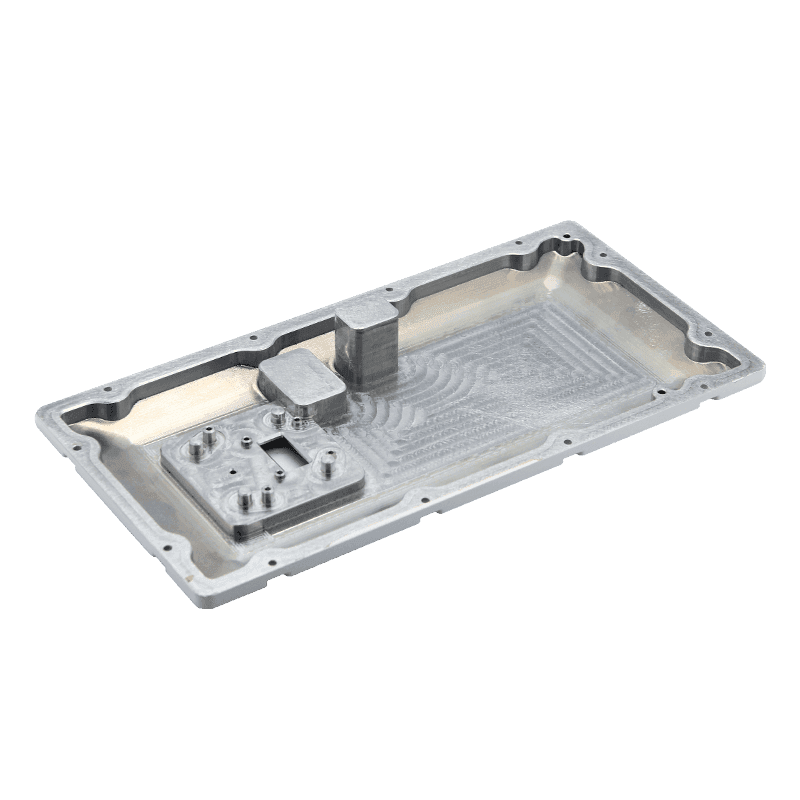
As Machined
Standard finish, surface roughness of 3.2 μm (126 μin), removes sharp edges and deburs parts cleanly.
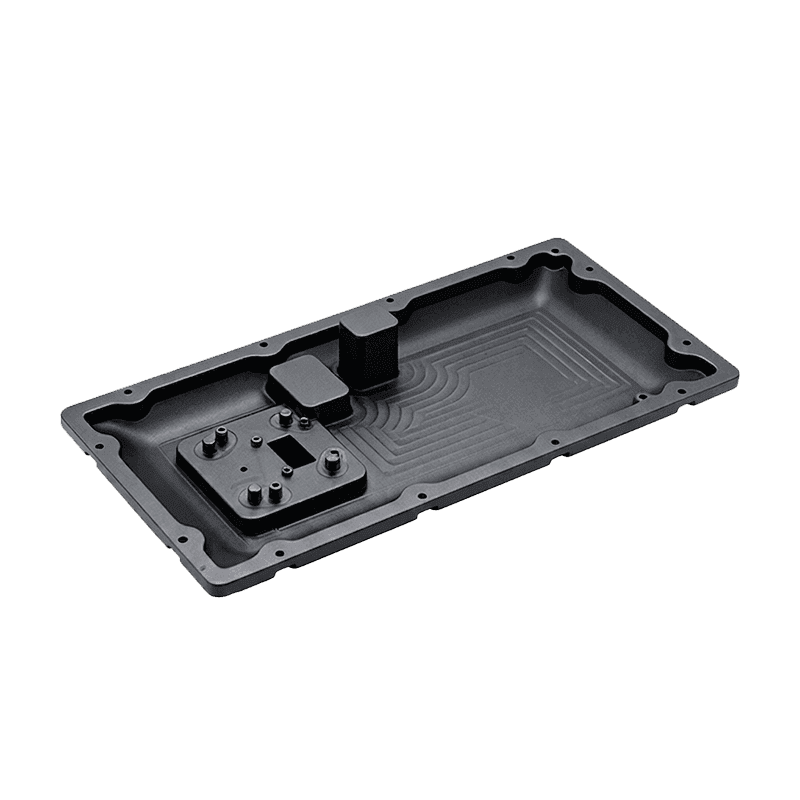
Powder Coating
Powder coating provides a durable, scratch-resistant finish with excellent corrosion protection and a clean, attractive appearance.
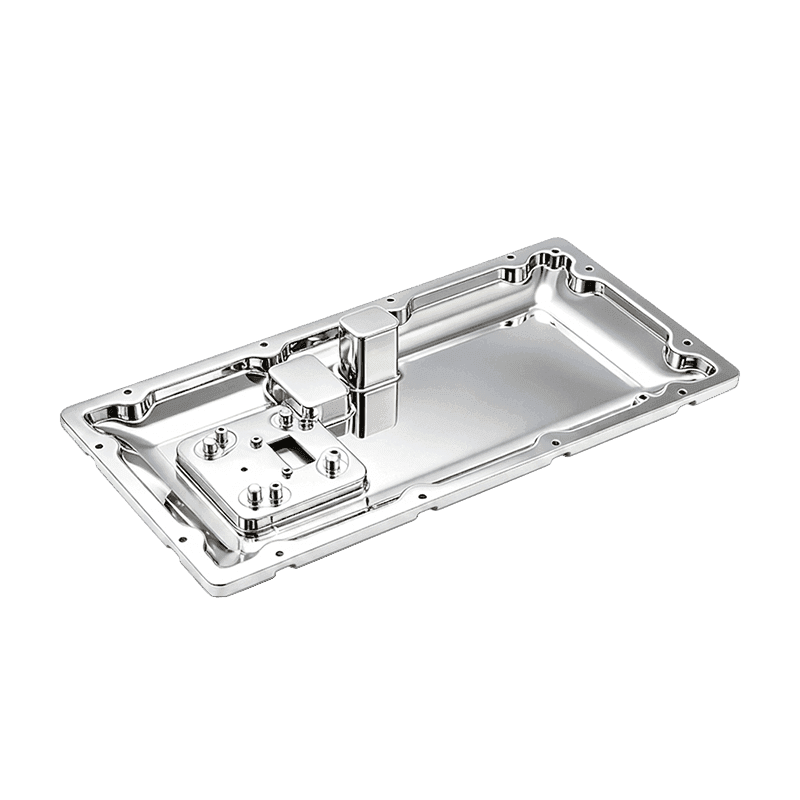
Electroplating
Electroplating is an electrochemical process that deposits a protective metal layer onto a conductive surface.
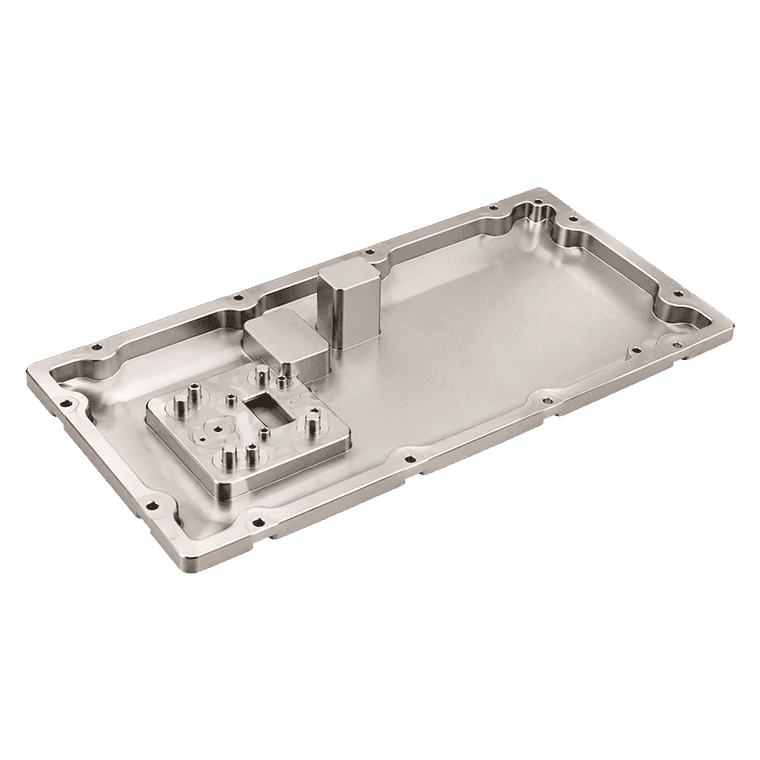
Electroless Nickel Plating
Electroless nickel plating is an autocatalytic chemical surface treatment process that deposits a nickel-phosphorus alloy coating onto a metal substrate without using an external electrical current.
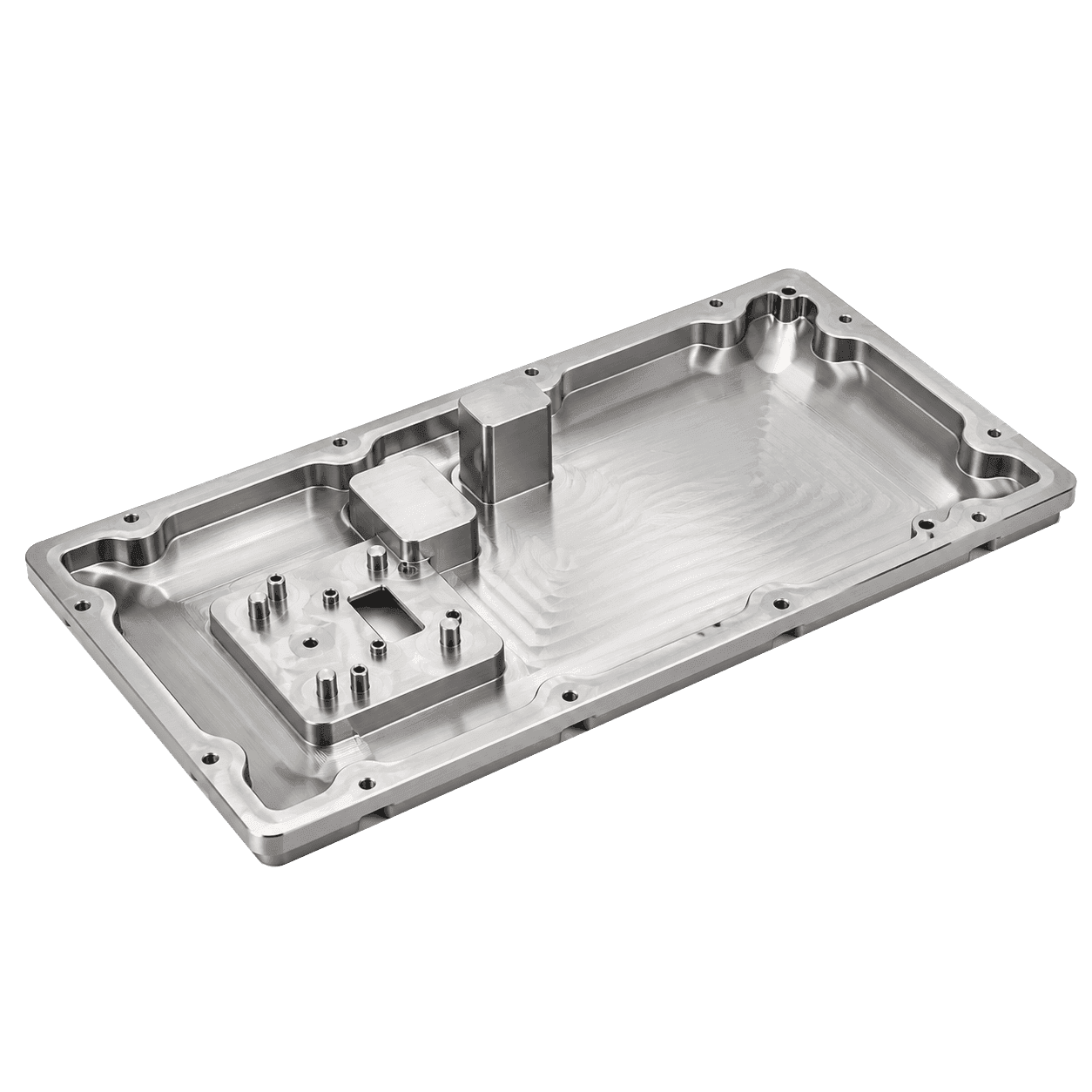
Passivation
Passivation is a chemical surface treatment process used primarily on stainless steel to improve its corrosion resistance by removing free iron, surface contaminants, and other residues introduced during machining and manufacturing.
Carbon Steel CNC machining is widely used for strong, corrosion-resistant, and high-precision parts. It is suitable for demanding applications in automotive, electronics, medical, aerospace equipment, smart home, marine, and industrial machinery fields.
pros
cons
Carbon steel machined parts are widely used in industries requiring strength, durability, dimensional accuracy, and economical manufacturing. With CNC machining, sheet metal fabrication, welding, surface finishing, and assembly support, Longwang manufactures custom carbon steel components for both prototyping and production.
Your Comprehensive Metal Manufacturing Solution Provider
We offer both rapid prototyping and large-scale production, utilizing over 700 machines and experienced engineers to deliver high quality CNC parts with minimal compromise on lead time or consistency.
For precision CNC machining, we hold tolerances as tight as ±0.01mm. For sheet metal fabrication, our standard tolerance is ±0.1mm, depending on design complexity.
We process a wide range of metals including Aluminum (6061, 7075), Stainless Steel (304, 316), Titanium, Copper, Brass, and various specialty alloys.
Yes. We offer fast-turnaround prototyping to help you verify designs and functional requirements before scaling to high-volume manufacturing.
Yes, we are IATF 16949 certified for the automotive industry, along with ISO 9001 and ISO 14001 certifications to ensure global quality standards.
Prototypes usually take 3-7 days. Mass production lead times vary from 2-4 weeks depending on the project scale and secondary finishing requirements.
Yes. We have an integrated eco-friendly coating line and offer anodizing, plating, sandblasting, and laser engraving as part of our one-stop service.
Simply upload your CAD drawings (STEP, IGS, or PDF) via our contact form. Our engineers will provide a technical assessment and quote within 24 hours.
Machining Material Resources
Guides, design tips, and best practices for efficient, high quality machining material resources.
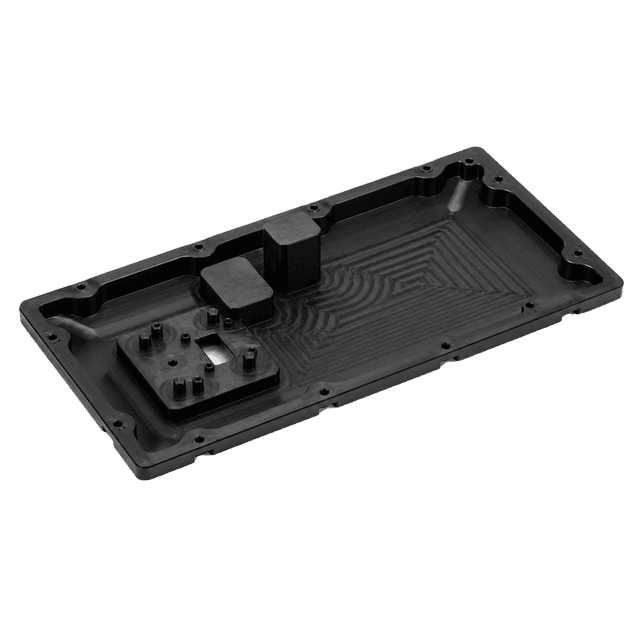
ABS
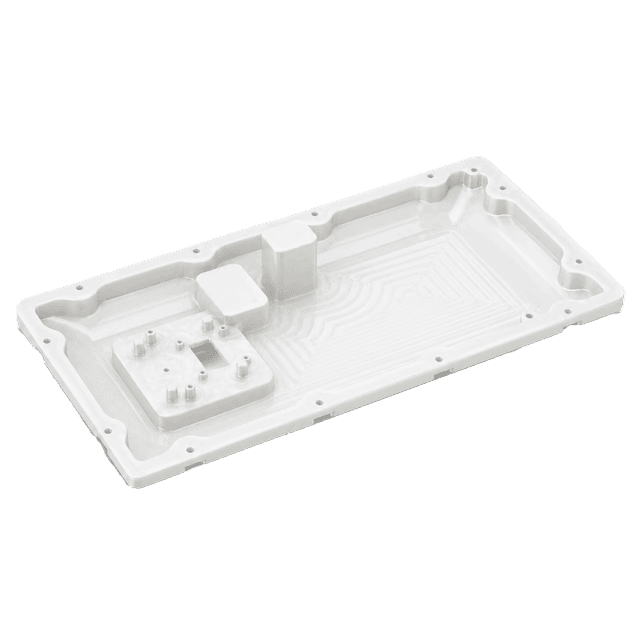
PC
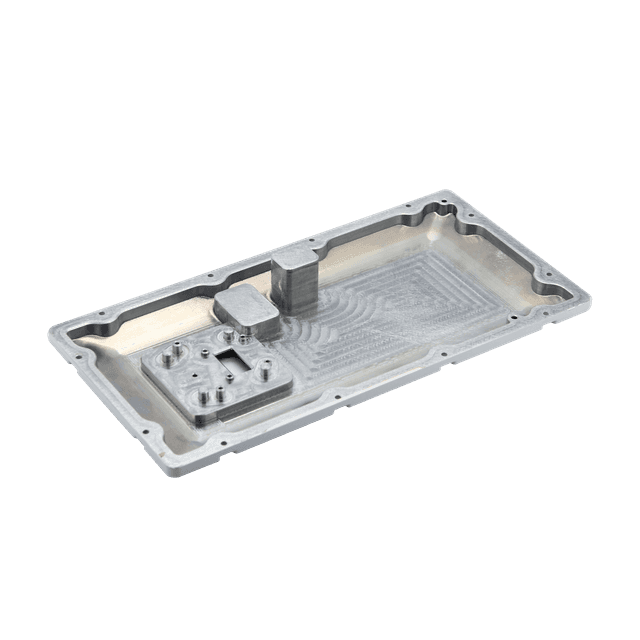
Aluminum Alloy
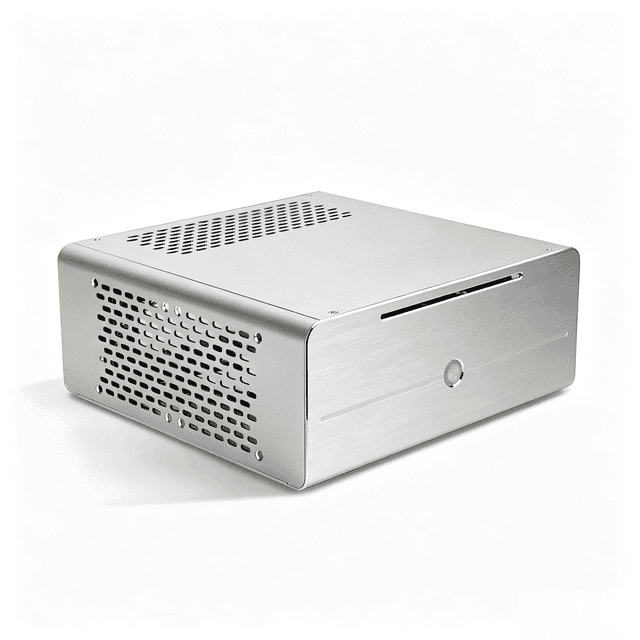
Aluminum in Sheet Metals
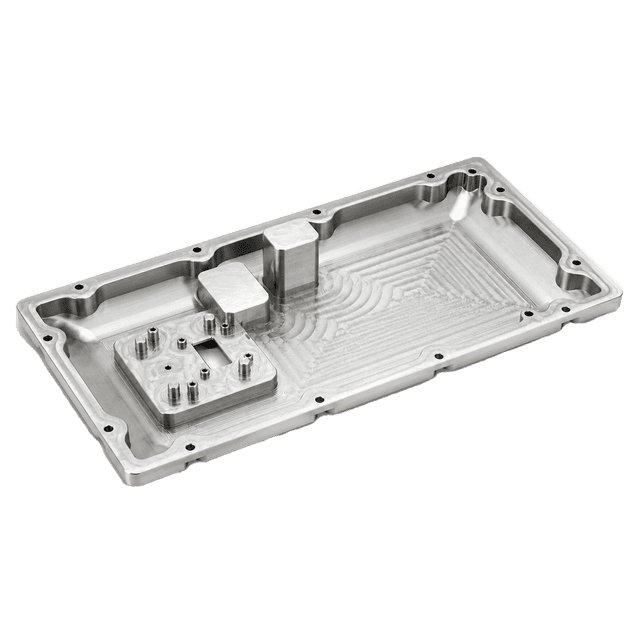
Stainless Steel
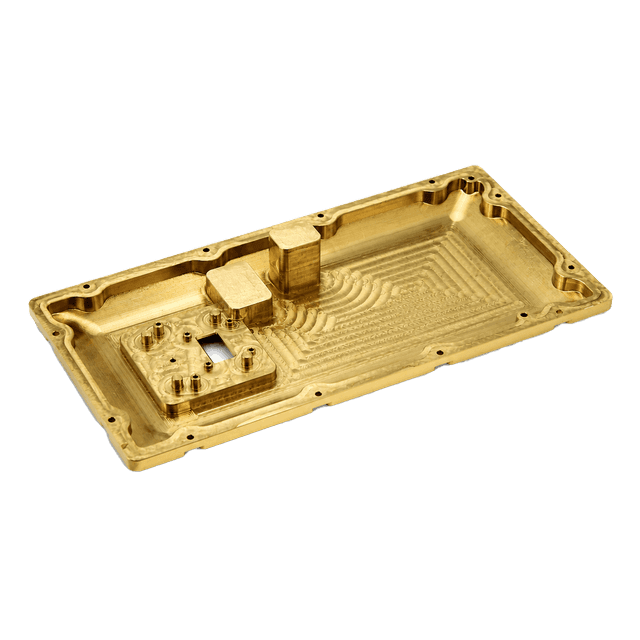
Brass

Get in Touch With us
Helping customers grow steadily and achieve win-win development

Your trusted partner for CNC machining, sheet metal fabrication, stamping, and assembly. From prototyping to mass production with strict quality control.
tel:
0769-82763299
Mobile:
+86 18988716988
fax:
0769-82763199
Address:
No.3 Longze Road, Chang'an Town, Dongguan City, Guangdong Province, China,523861


Copyright © 2008-2026 | Dongguan Longwang Hardware Co., Ltd. | All Rights Reserved.


