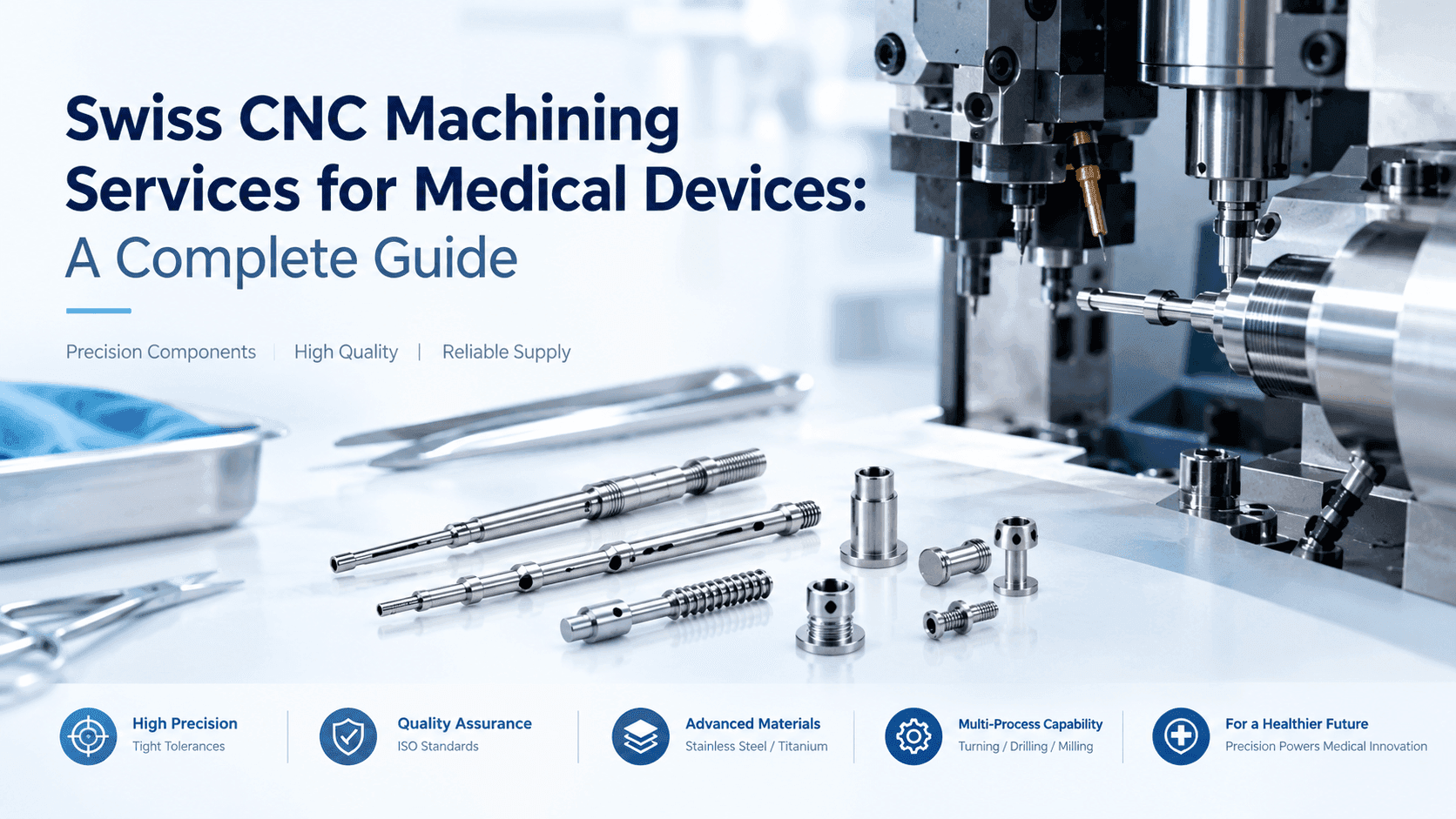
Swiss CNC Machining Services offer an effective solution for manufacturing small, complex, and precision critical medical components. By supporting the material close to the cutting zone and combining multiple operations in one setup, Swiss-type CNC turning can help manufacturers improve dimensional consistency, reduce secondary operations, and maintain efficient production.
For medical device OEM and engineering teams, understanding where this process works best is the first step toward selecting the right manufacturing partner.
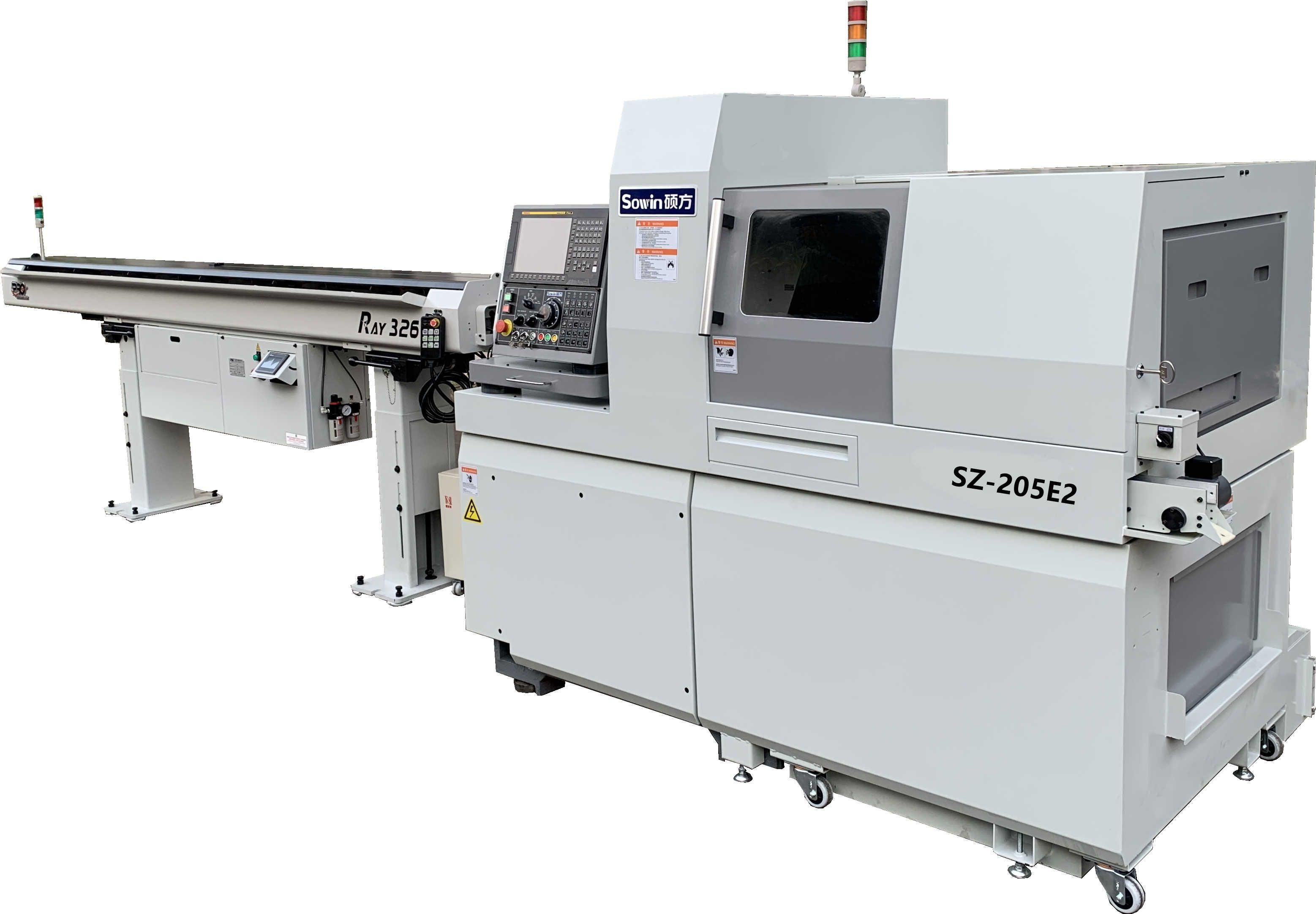
Swiss CNC machining is a precision turning process that uses a sliding headstock and, in conventional guide bushing configurations, supports bar stock close to the cutting tool. Unlike a conventional lathe, where the workpiece typically extends from a chuck, this arrangement helps reduce deflection when machining slender components.
Modern Swiss-type CNC machines can also incorporate live tooling, allowing turning, drilling, milling, and threading operations to be completed in a single setup, depending on machine configuration.
This makes Swiss CNC machining particularly useful for medical parts with long, narrow geometries or multiple precision features. Typical materials include stainless steel, titanium alloys, and selected engineering plastics, provided the material grade and process meet the application requirements.
For example, a small medical instrument shaft may need a diameter of 3mm, several stepped sections, and a cross-hole. Producing these features in one coordinated machining cycle can reduce repeated clamping and the associated risk of alignment errors.
Actual tolerances depend on the material, geometry, tool condition, machine capability, and inspection method. Although some specialized operations can achieve tolerances of only a few micrometers, this should never be assumed for every part without reviewing the engineering drawing and validating the process.
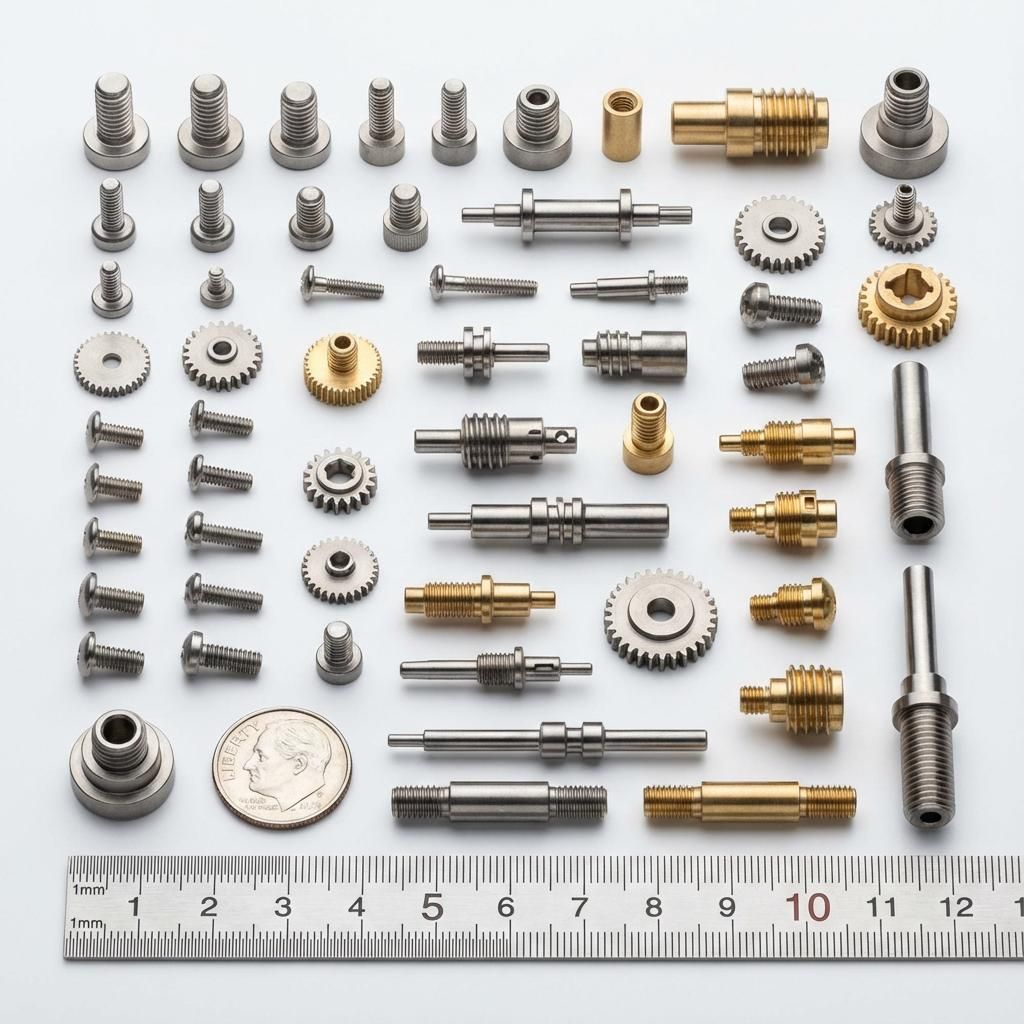
Swiss CNC machining is most suitable when medical components are relatively small, rotationally symmetrical, and geometrically complex. Several applications stand out.
Shafts, pins, locking elements, handles, and small connecting parts often require accurate diameters and reliable fit between mating components.
Certain catheter fittings, guidewire related components, and endoscopic instrument parts have limited space for functional features. Swiss turning can produce small profiles and precision holes, depending on the design and machine setup.
Screws, pins, abutment components, and other small metal parts may require controlled threads, concentric features, and repeatable dimensions. Components intended for implantation need additional attention to material suitability, surface integrity, cleanliness, and applicable regulatory requirements.
Other potential applications where dimensional repeatability matters include probe holders, precision connectors, small valve components, and instrument shafts.
Not every medical component is a good candidate. Large housings, flat structural parts, and components dominated by complex freeform surfaces may be better suited to CNC milling or other manufacturing processes.
The best process is determined by the part geometry and functional requirements, not simply by whether the end product belongs to the medical industry.
The main advantage of Swiss CNC machining is the way it manages small, slender workpieces. When a long, narrow part is cut without adequate support, cutting forces can cause deflection, vibration, and dimensional variation. Guide bushing support helps minimize these problems by keeping the cutting area close to the supported material.
Three benefits are particularly relevant to medical manufacturing:
Reduced workpiece deflection can help maintain diameters, concentricity, and feature positions. This is especially valuable for components that must slide, rotate, or fit into small assemblies.
Machines equipped with suitable live tooling can produce cross-holes, flats, slots, and threads without transferring the part to another machine. Fewer setups can reduce handling time and alignment variation.
Once a process has been proven, Swiss-type machines can support stable production of recurring part numbers. For larger orders, combining operations may reduce total cycle time and handling costs.
Consider a hypothetical component with a 3mm diameter, a 25mm overall length, and multiple turned features. Its length-to-diameter ratio is approximately 8.3:1. This slender geometry illustrates why workpiece support and cutting strategy matter. It does not, by itself, guarantee that Swiss machining will outperform every alternative; tooling, material, tolerances, and production volume still determine the most economical process.
For medical applications, machining accuracy is only part of the equation. Inspection, material traceability, process documentation, and appropriate cleaning procedures must also be considered.
Both Swiss CNC machining and conventional CNC turning can produce accurate medical components. The difference lies in how they handle the workpiece and which geometries they process most efficiently.
Swiss-type machines are often advantageous for small-diameter shafts, pins, screws, and parts with multiple features along their length. Conventional CNC lathes can be more economical for large diameters, shorter components, simpler geometries, or jobs that do not benefit from guide-bushing support.
The following comparison provides a practical starting point:
| Factor | Swiss CNC Machining | Conventional CNC Turning |
|---|---|---|
| Workpiece support | Often supports bar stock near the cutting zone | Typically holds the workpiece in a chuck |
| Ideal geometry | Small, slender, feature-rich parts | A broad range of turned parts, including larger diameters |
| Multiple features | Live tooling can combine turning, drilling, and milling | Driven tools are available on suitably equipped machines |
| Production efficiency | Often attractive for recurring, complex small parts | Often attractive for simpler parts and suitable batch sizes |
| Setup considerations | Guide bushing and bar dimensions may influence setup | Chucking method and workpiece length influence setup |
| Best selection criterion | Slender geometry and integrated operations | Part size, geometry, volume, and overall cost |
For instance, a small stainless steel instrument shaft with several grooves and cross-holes may benefit from Swiss turning. A large cylindrical housing with a straightforward bore and external profile may be better produced on a conventional CNC lathe.
The correct comparison should include the complete manufacturing cost: programming, tooling, cycle time, inspection, secondary operations, scrap risk, and delivery requirements. The machine with the shortest cycle time is not necessarily the one with the lowest total cost.
Selecting a supplier for medical components requires more than comparing quotations. A competitive unit price is useful only when the supplier can consistently meet the drawing, material, documentation, and delivery requirements.
Let's start by evaluating five areas.
Ask whether the supplier has suitable Swiss-type CNC equipment, experienced programmers, and the ability to assess critical features before production. A design for manufacturing review can identify difficult tolerances, unnecessary machining steps, and opportunities to simplify the parts machining process.
Confirm that the material grade matches the specification and that appropriate material certificates and batch identification can be provided when required. For medical applications, material substitutions should never be made without authorization.
Ask how critical dimensions will be measured. Depending on the part, inspection may involve micrometers, optical measurement systems, pin gauges, or coordinate measuring machines. A first piece inspection report and agreed sampling plan can help establish confidence before volume production.
It is well known that ISO 13485:2016 is the standard for medical device quality management recognized by the FDA's Quality Management. However, in actual manufacturing, one cannot simply rely on whether a supplier holds the certificate; instead, it is essential to examine the extent to which the standard is implemented in practice—for instance, how product traceability is ensured or what standards are applied to the machining of threads and holes, etc. One must evaluate a supplier's actual manufacturing and control capabilities based on their practical production and process management.
A supplier that communicates clearly during engineering review is often better positioned to prevent costly misunderstandings later. Before requesting a quotation, provide a 2D drawing, 3D model, material specification, annual or batch quantity, critical tolerances, surface-finish requirements, and any applicable quality documentation. The more complete the technical information, the more meaningful the quotation will be.
Swiss CNC Machining Services are a strong option for medical device manufacturers that need small, complex, and dimensionally consistent turned components. The process can reduce workpiece deflection, combine multiple operations, and support efficient repeat production when the geometry and volume justify it.
However, reliable medical manufacturing depends on the entire process, not machining alone. Material control, inspection, traceability, documentation, and supplier communication all contribute to a successful outcome.
If you are developing precision medical parts, start with the part drawing and its critical functional requirements. A technical review can help determine whether Swiss CNC machining, conventional CNC turning, or a combination of processes offers the best balance of quality, lead time, and cost.
Next
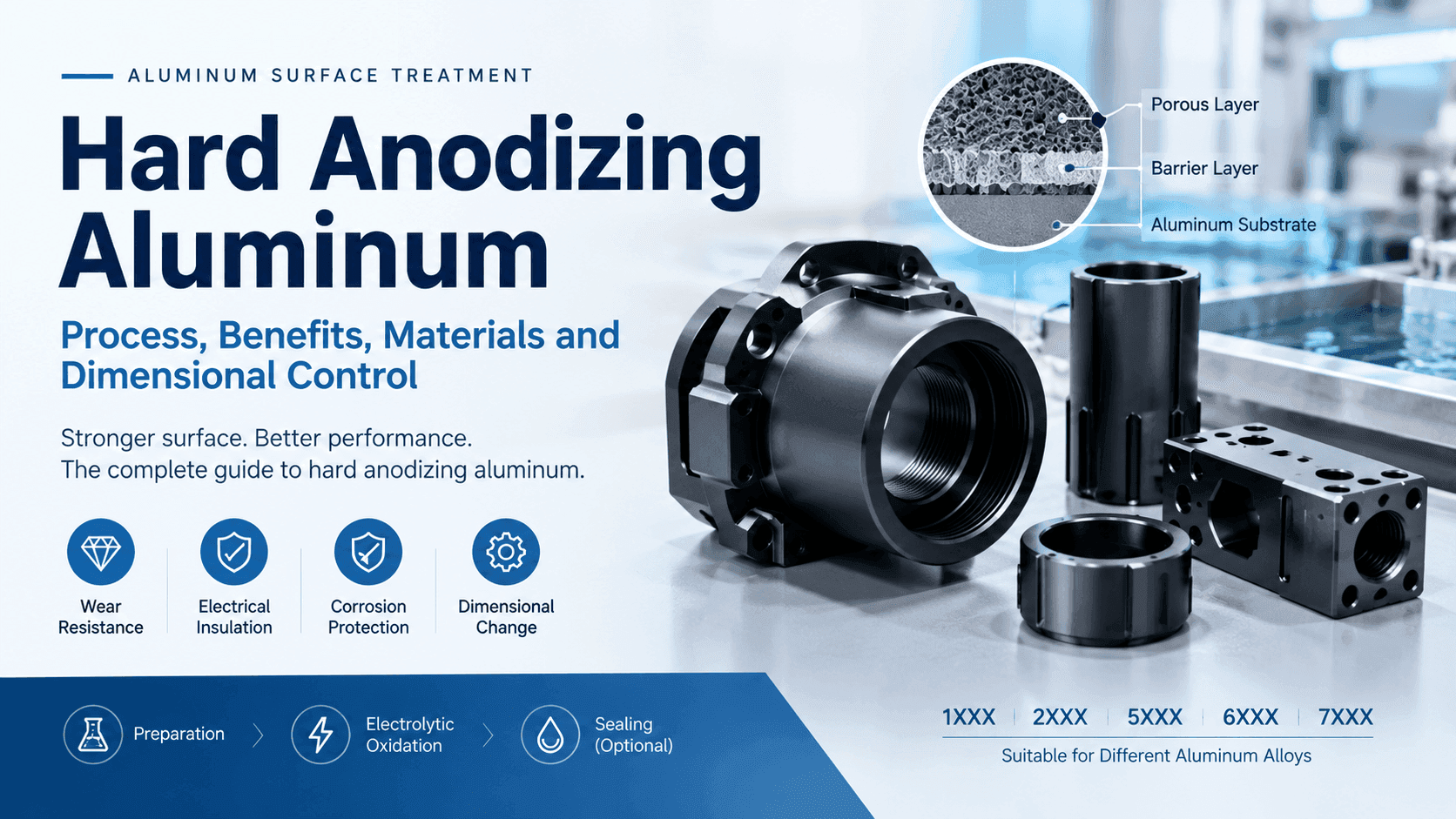
Hard Anodizing Aluminum: Process, Benefits, Materials and Dimensional Control
2026-09-27Hard anodizing improves the hardness, wear resistance, electrical insulation, and corrosion protection of aluminum parts while requiring careful dimensional control.

Mid-Autumn Festival & National Day Holiday Notice 2026
2026-09-24Mid-Autumn Festival & National Day Holiday Notice 2026

Get in Touch With us
Helping customers grow steadily and achieve win-win development

Your trusted partner for CNC machining, sheet metal fabrication, stamping, and assembly. From prototyping to mass production with strict quality control.
tel:
0769-82763299
Mobile:
+86 18988716988
fax:
0769-82763199
Address:
No.3 Longze Road, Chang'an Town, Dongguan City, Guangdong Province, China,523861


Copyright © 2008-2026 | Dongguan Longwang Hardware Co., Ltd. | All Rights Reserved.


