Improve aluminum component hardness, wear resistance, and durability with precision Type III hard anodizing for demanding industrial applications.
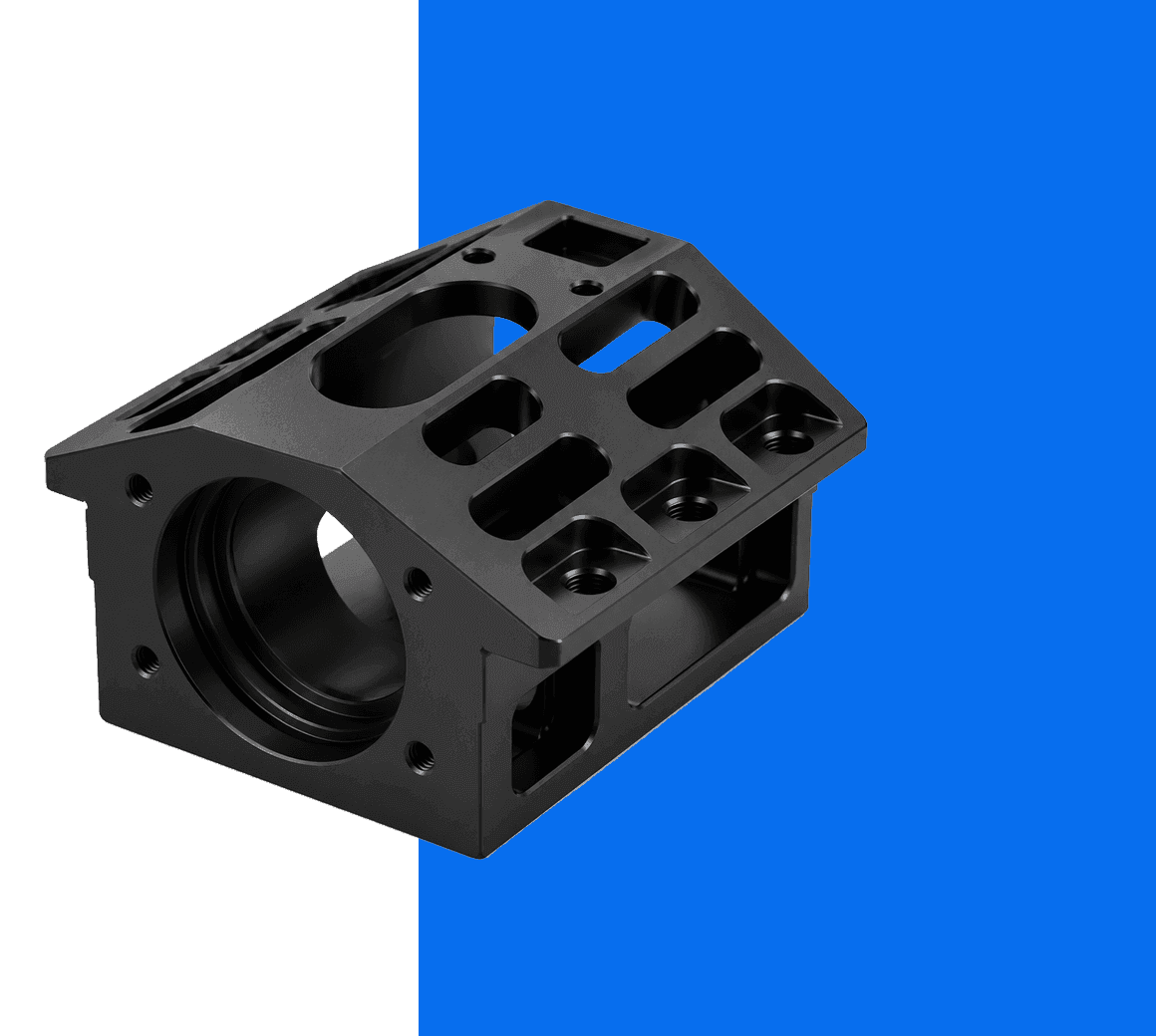
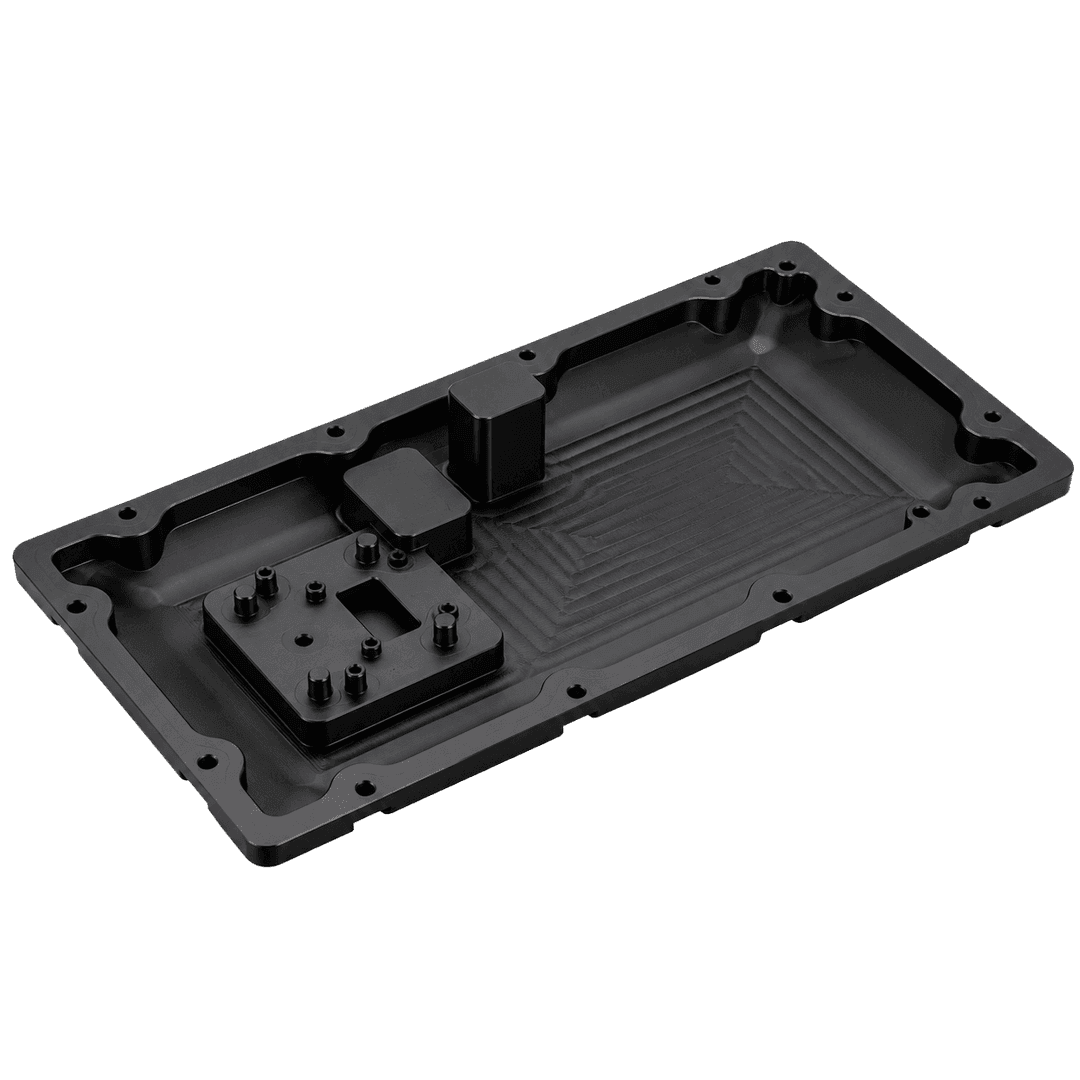
Hard anodizing, also known as Type III anodizing or hardcoat anodizing, is an electrochemical surface treatment process that creates a thick, dense aluminum oxide layer on aluminum alloy surfaces.
Compared with conventional Type II anodizing, hard anodizing produces a significantly thicker and harder oxide layer, providing enhanced resistance to abrasion, surface wear, and corrosion.
Unlike paint or powder coating, the anodized layer is formed from the aluminum substrate itself rather than deposited as a separate coating. This creates a durable surface that is strongly integrated with the base material.
Hard anodizing is commonly used for CNC machined aluminum components exposed to repeated friction, mechanical contact, or demanding operating environments.
At Longwang, we provide aluminum anodizing solutions for precision CNC machined parts, helping manufacturers select suitable surface treatments based on material, dimensional tolerances, and application requirements.
Hard Anodizing Specifications
Hard Anodizing
Improve aluminum component hardness, wear resistance, and durability with precision Type III hard anodizing for demanding industrial applications.
CNC Machining/Sheet Metal Fabrication/Stamping
Aluminum Alloy, Aluminum in Sheet Metals, Aluminum in Stamping
Hard Anodizingpros
cons
Advanced Surface Finish Options for CNC Machined Parts
Longwang provides multiple surface treatments to improve function, aesthetics, and long-term performance of precision components.
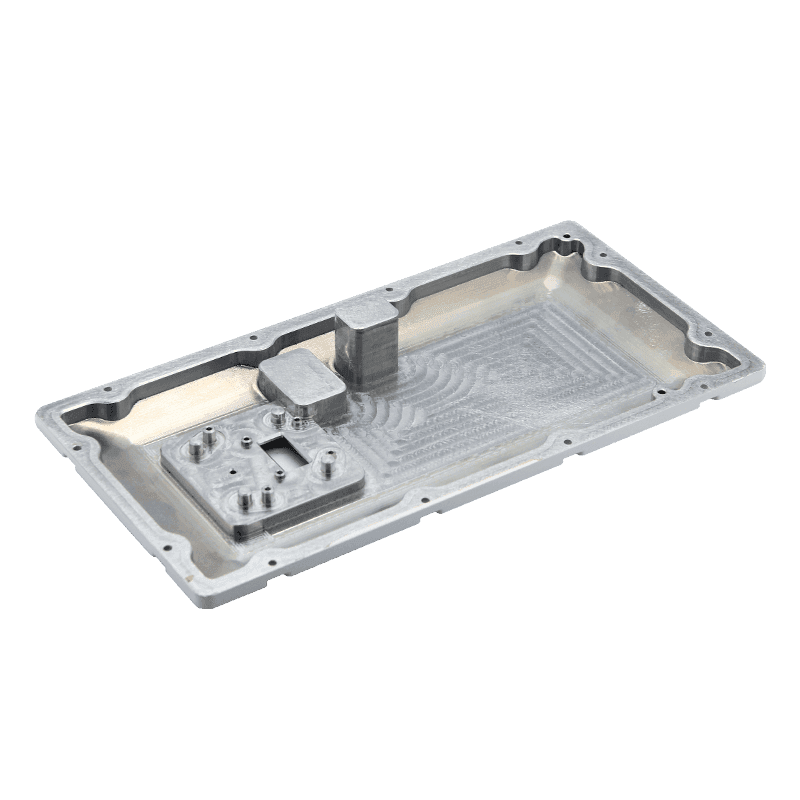
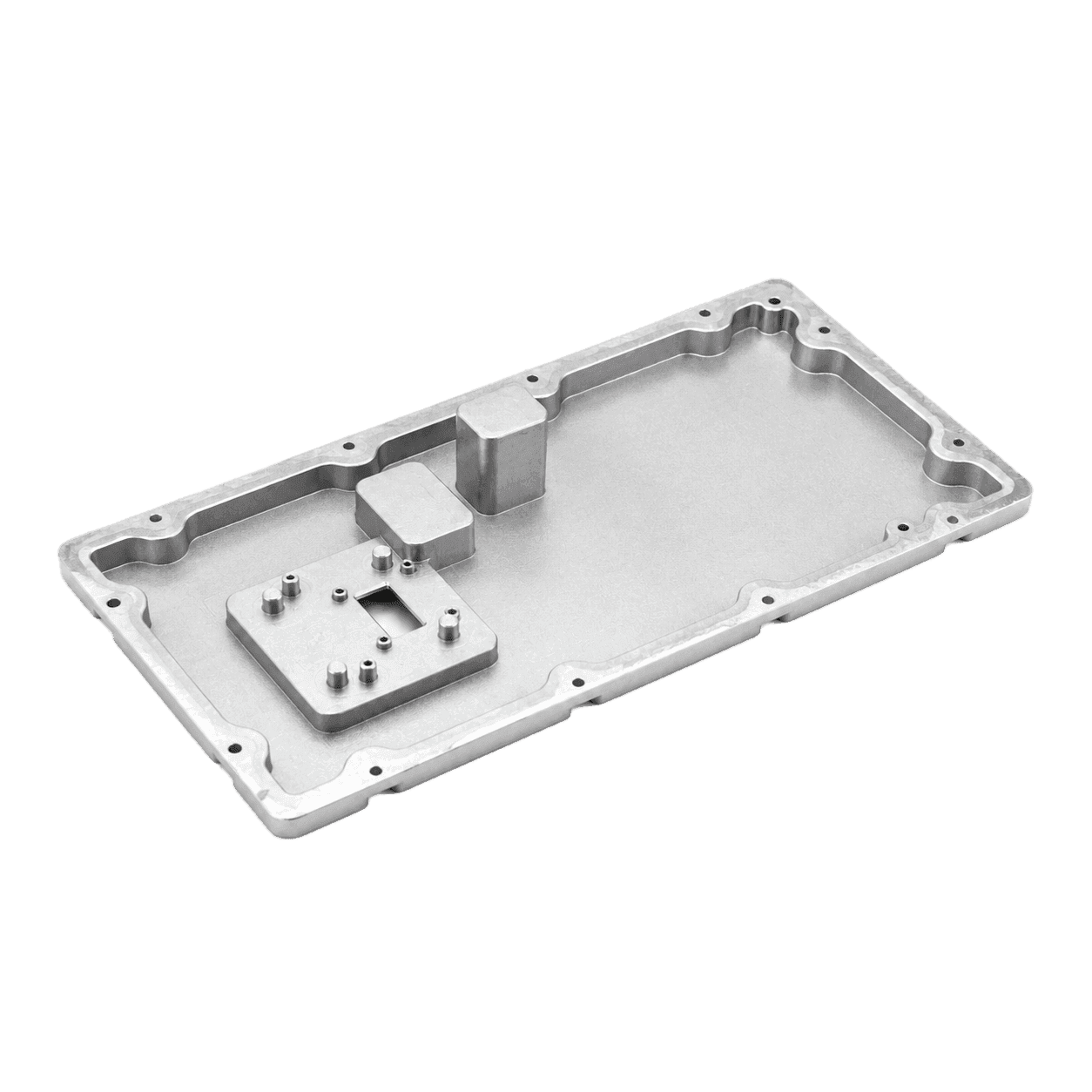
As Machined
Standard finish, surface roughness of 3.2 μm (126 μin), removes sharp edges and deburs parts cleanly.
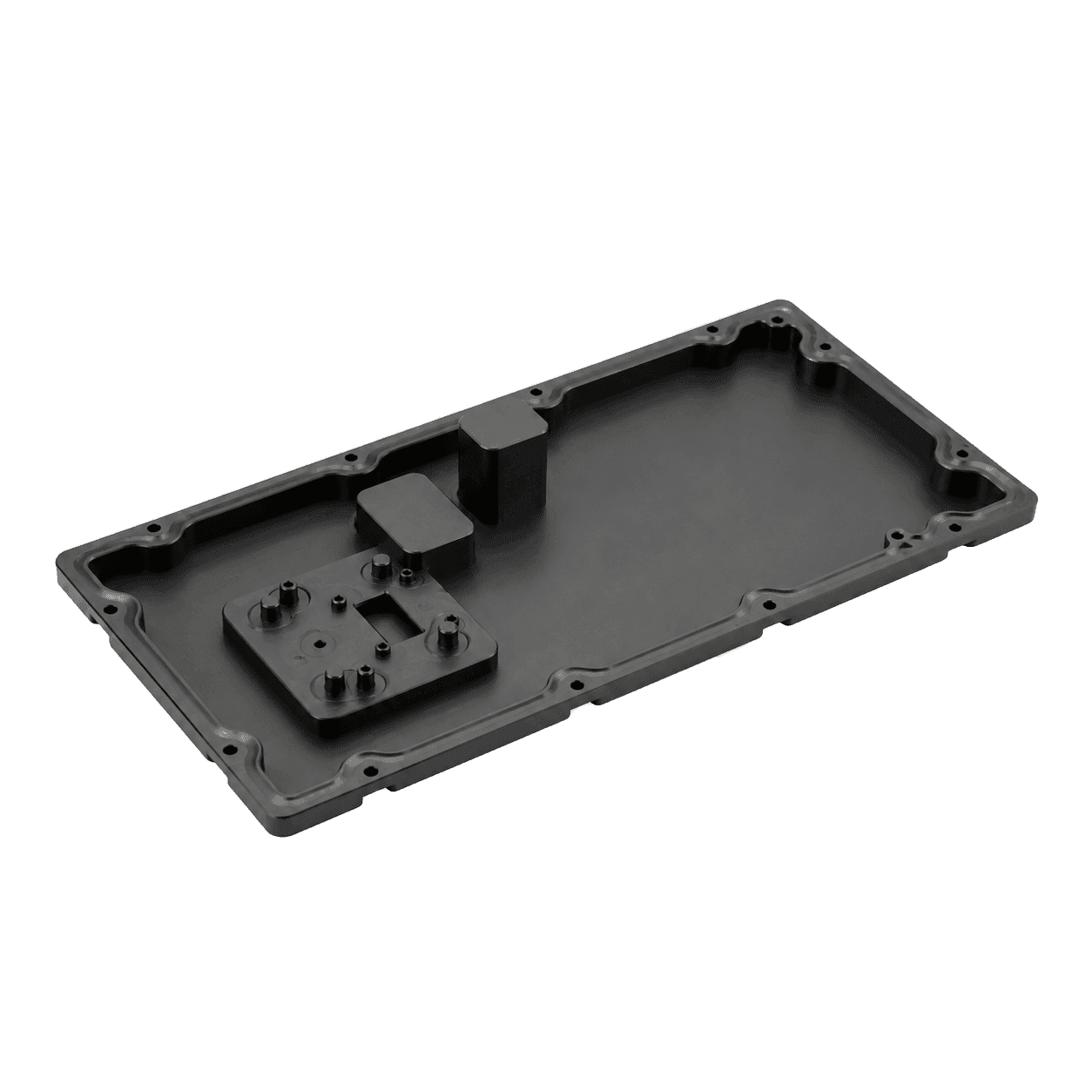
Tumbling
Utilizes barrel or vibratory processes with abrasives to smooth and polish the surface of parts.
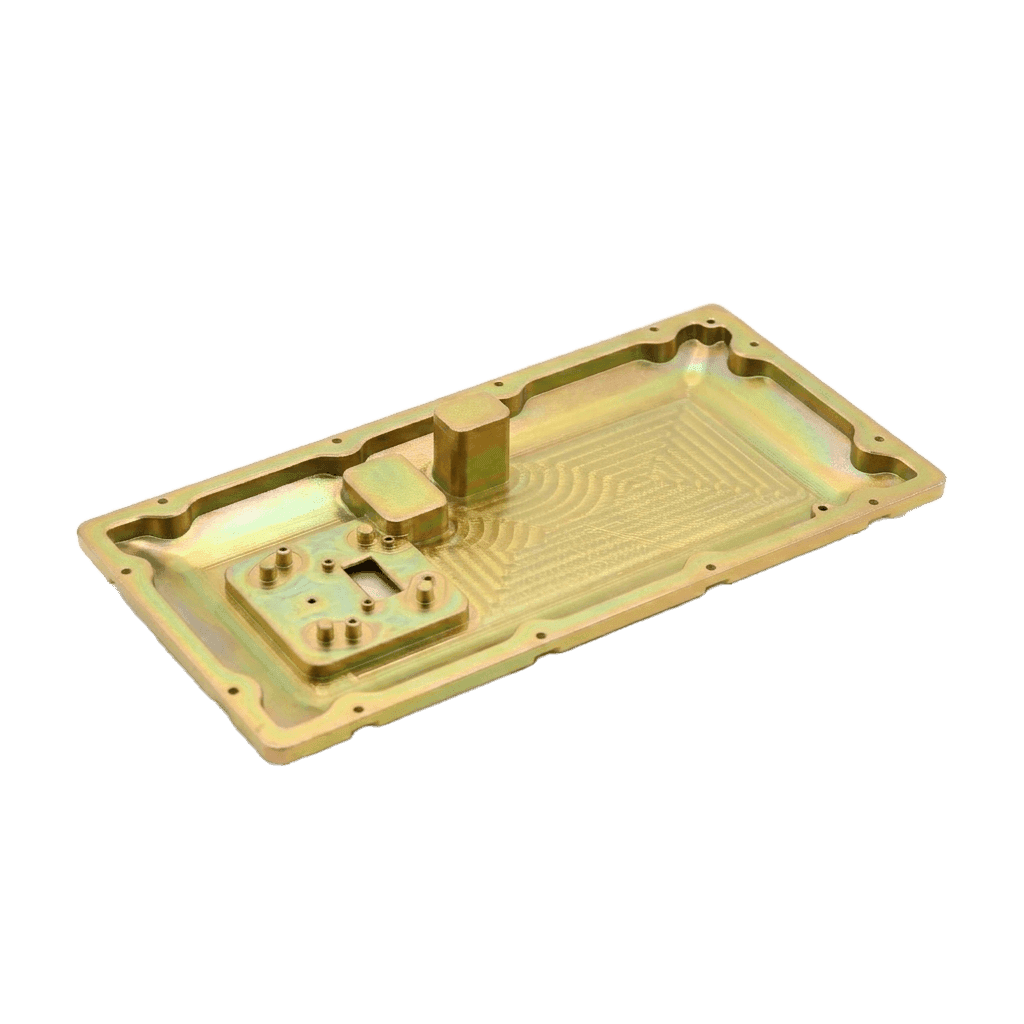
Heat Treatment
Alters the physical (and sometimes chemical) properties of a material to achieve desired mechanical properties.
Alodine
Chemical treatment process providing corrosion protection and surface preparation for paint adhesion.
Surface Treatment Resources
Guides, design tips, and best practices for efficient, high quality surface treatment.
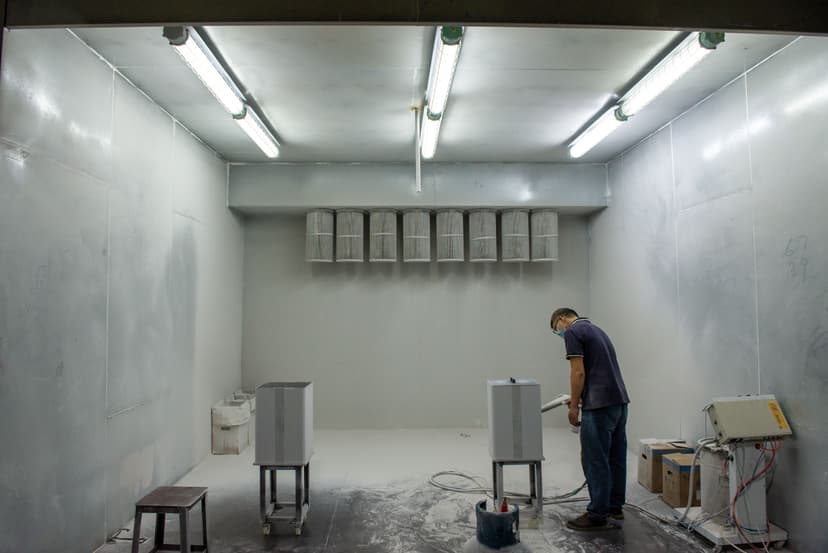
Why Is Powder Coating the Top Choice for Chassis and Cabinet Shells?
2026-07-15Powder coating offers excellent durability, corrosion resistance, and a uniform finish, making it ideal for protecting chassis and cabinet shells in demanding environments.
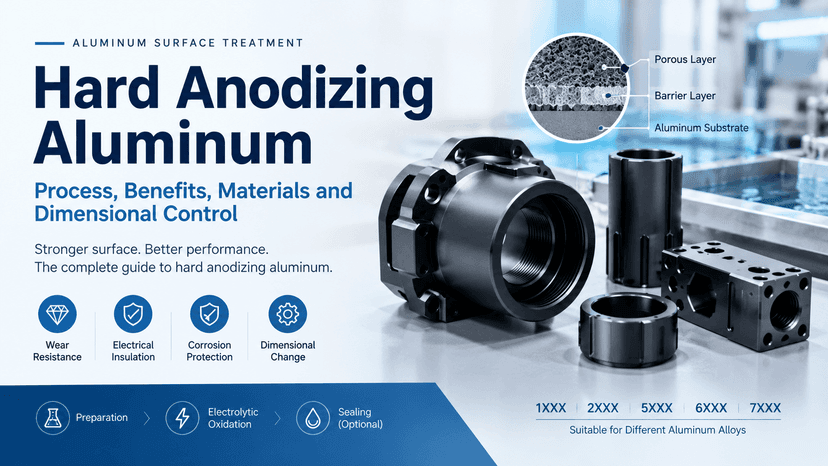
Hard Anodizing Aluminum: Process, Benefits, Materials and Dimensional Control
2026-09-27Hard anodizing improves the hardness, wear resistance, electrical insulation, and corrosion protection of aluminum parts while requiring careful dimensional control.
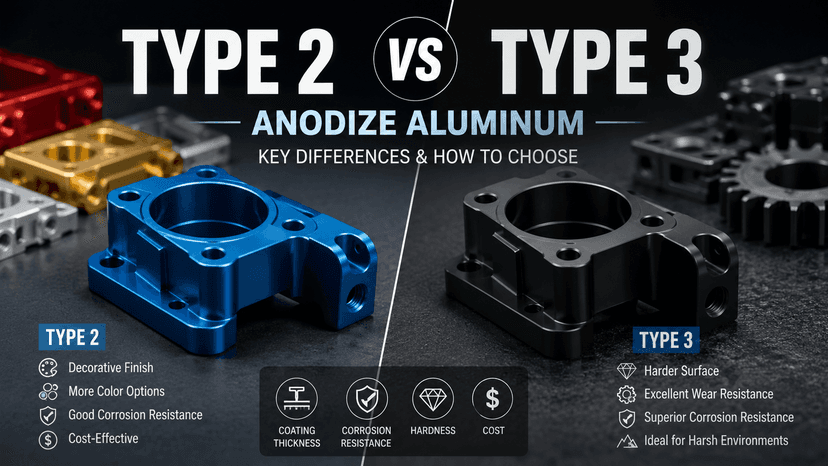
Type Ⅱ vs Type Ⅲ Anodizing: Which Is Best for CNC Parts?
2026-08-17Compare Type 2 vs Type 3 anodized aluminum for hardness, durability, color, cost, and corrosion resistance. Find the right finish for CNC aluminum parts.
Your Comprehensive Metal Manufacturing Solution Provider
We offer both rapid prototyping and large-scale production, utilizing over 700 machines and experienced engineers to deliver high quality CNC parts with minimal compromise on lead time or consistency.
For precision CNC machining, we hold tolerances as tight as ±0.01mm. For sheet metal fabrication, our standard tolerance is ±0.1mm, depending on design complexity.
We process a wide range of metals including Aluminum (6061, 7075), Stainless Steel (304, 316), Titanium, Copper, Brass, and various specialty alloys.
Yes. We offer fast-turnaround prototyping to help you verify designs and functional requirements before scaling to high-volume manufacturing.
Yes, we are IATF 16949 certified for the automotive industry, along with ISO 9001 and ISO 14001 certifications to ensure global quality standards.
Prototypes usually take 3-7 days. Mass production lead times vary from 2-4 weeks depending on the project scale and secondary finishing requirements.
Yes. We have an integrated eco-friendly coating line and offer anodizing, plating, sandblasting, and laser engraving as part of our one-stop service.
Simply upload your CAD drawings (STEP, IGS, or PDF) via our contact form. Our engineers will provide a technical assessment and quote within 24 hours.
Get Expert Advice on Your Product Design
Need expert input on concept design? Get in touch early for success.
*All uploads are strictly confidential. NDA available upon request.

Your trusted partner for CNC machining, sheet metal fabrication, stamping, and assembly. From prototyping to mass production with strict quality control.
tel:
0769-82763299
Mobile:
+86 18988716988
fax:
0769-82763199
Address:
No.3 Longze Road, Chang'an Town, Dongguan City, Guangdong Province, China,523861


Copyright © 2008-2026 | Dongguan Longwang Hardware Co., Ltd. | All Rights Reserved.


