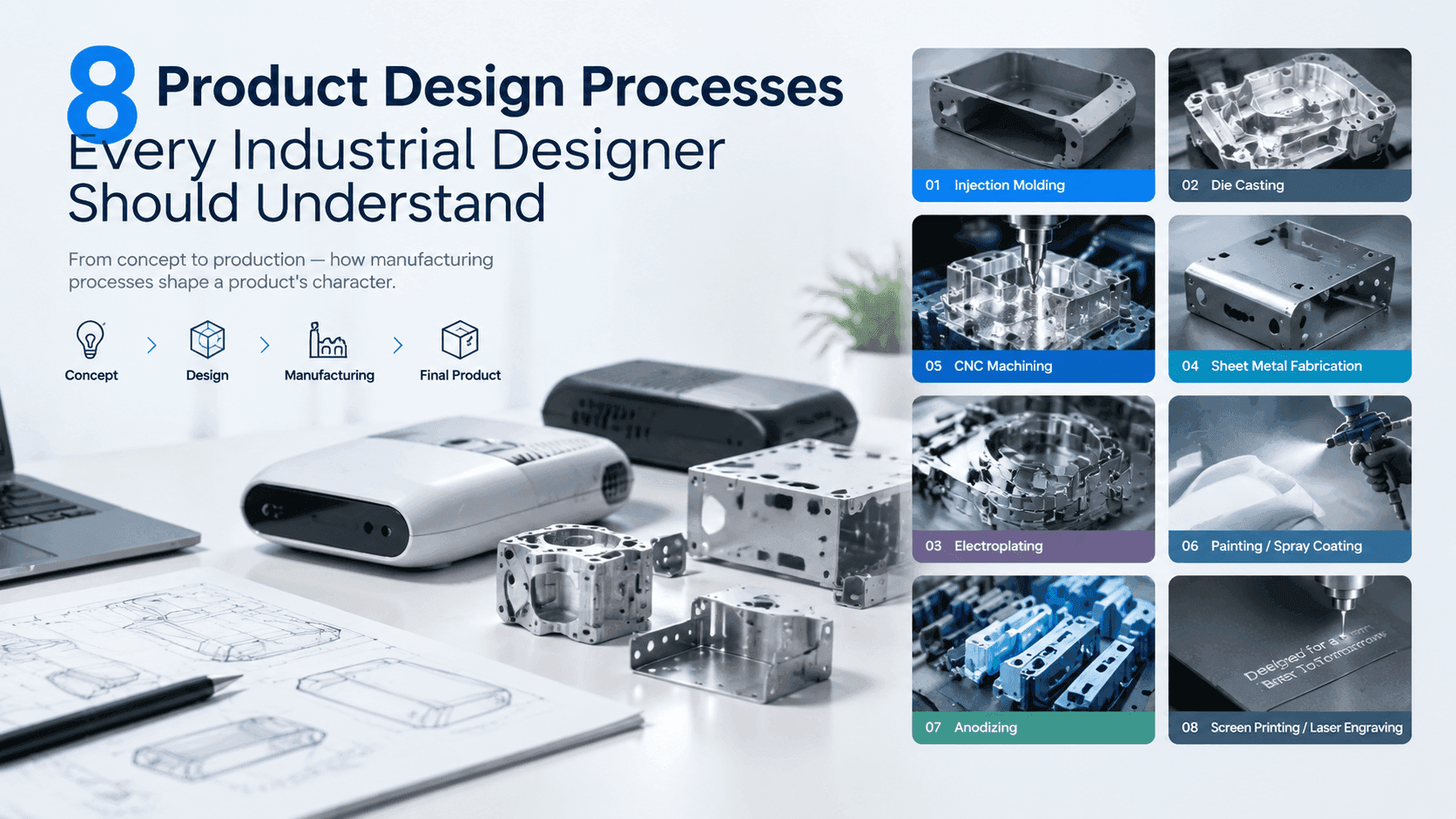
When designing a product, it is easy to focus only on the form and renderings. The final concept may look great, but when someone asks how it will actually be manufactured, the answer may not be so clear. Manufacturing is not something to consider only after the design is finished. It should be part of the design process from the very beginning. Whether a product can be made, how much it will cost, what it will feel like, and how durable it will be are all closely related to the manufacturing process.
The same product housing can feel completely different when made using different processes.
Some processes are better suited to mass production, while others are better for visual prototypes or special finishes. Some create a refined appearance, while others focus more on durability. Some are ideal for plastic parts, while others are better suited to metal components.
So industrial design is not just about creating an attractive shape. Designers also need to ask: Which manufacturing process is right for this product? Which process best supports its positioning?
The same design can have a completely different look and feel when manufactured using different processes.
Some processes are suitable for mass production, some are better for presentation models, some create a more refined appearance, and others are chosen mainly for durability. The right choice depends on the product, its materials, production volume, and intended positioning.
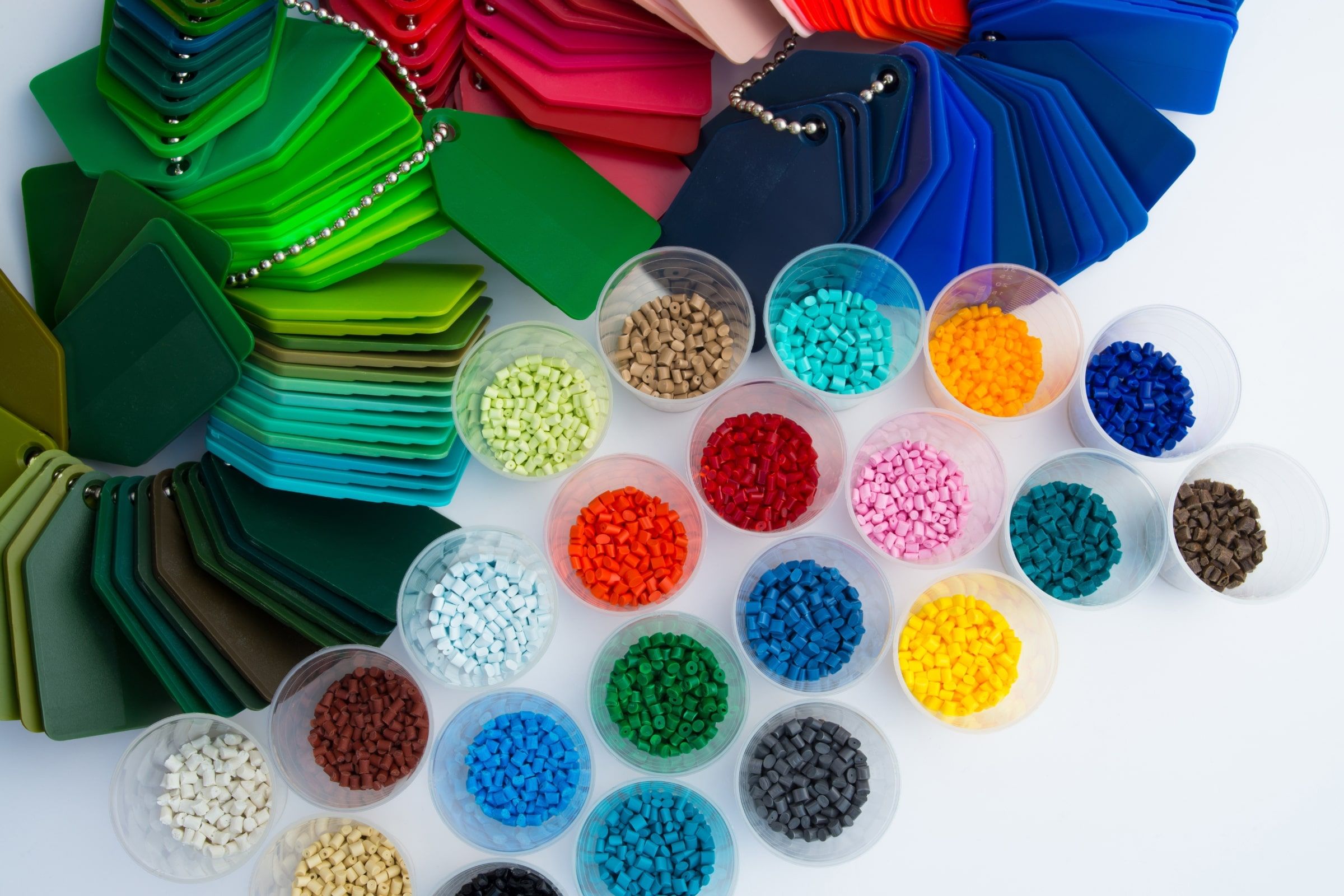
Injection molding is one of the most common plastic manufacturing processes. Many household appliances, electronic products, and product housings rely on injection molding. Its advantages include suitability for mass production, relatively controllable costs, and a high degree of freedom in shape design. However, designers need to consider wall thickness, draft angles, parting lines, and other mold-related requirements. A shape that looks perfect in a rendering may not necessarily be practical to mold. When designing injection-molded parts, manufacturability should be considered alongside appearance from the beginning.
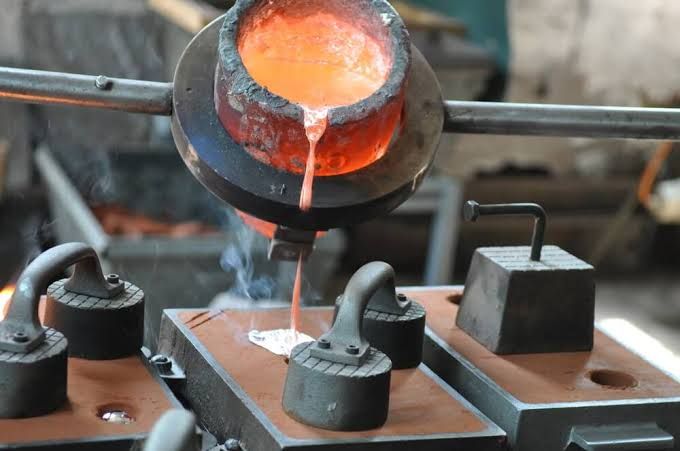
Die casting is commonly used for metal components such as aluminum alloy housings, brackets, and structural parts. Die-cast parts offer relatively high strength, are suitable for mass production, and can achieve a good surface appearance. However, die casting places requirements on wall thickness, draft, and geometric complexity. Not every shape is suitable for the process, so designers need to understand the limitations of the mold and casting process before finalizing the design.
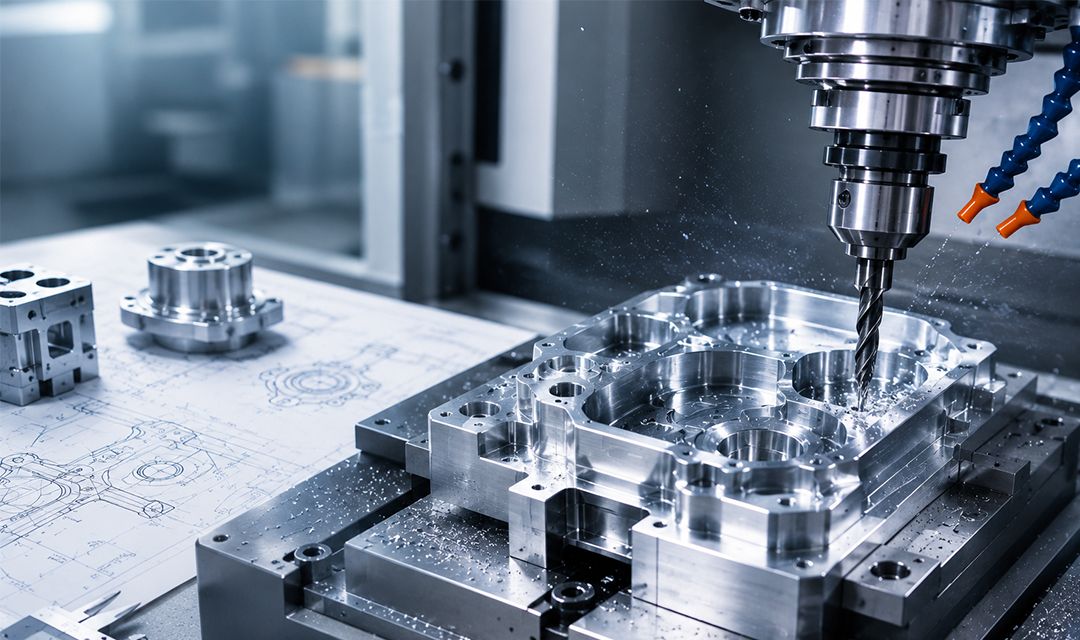
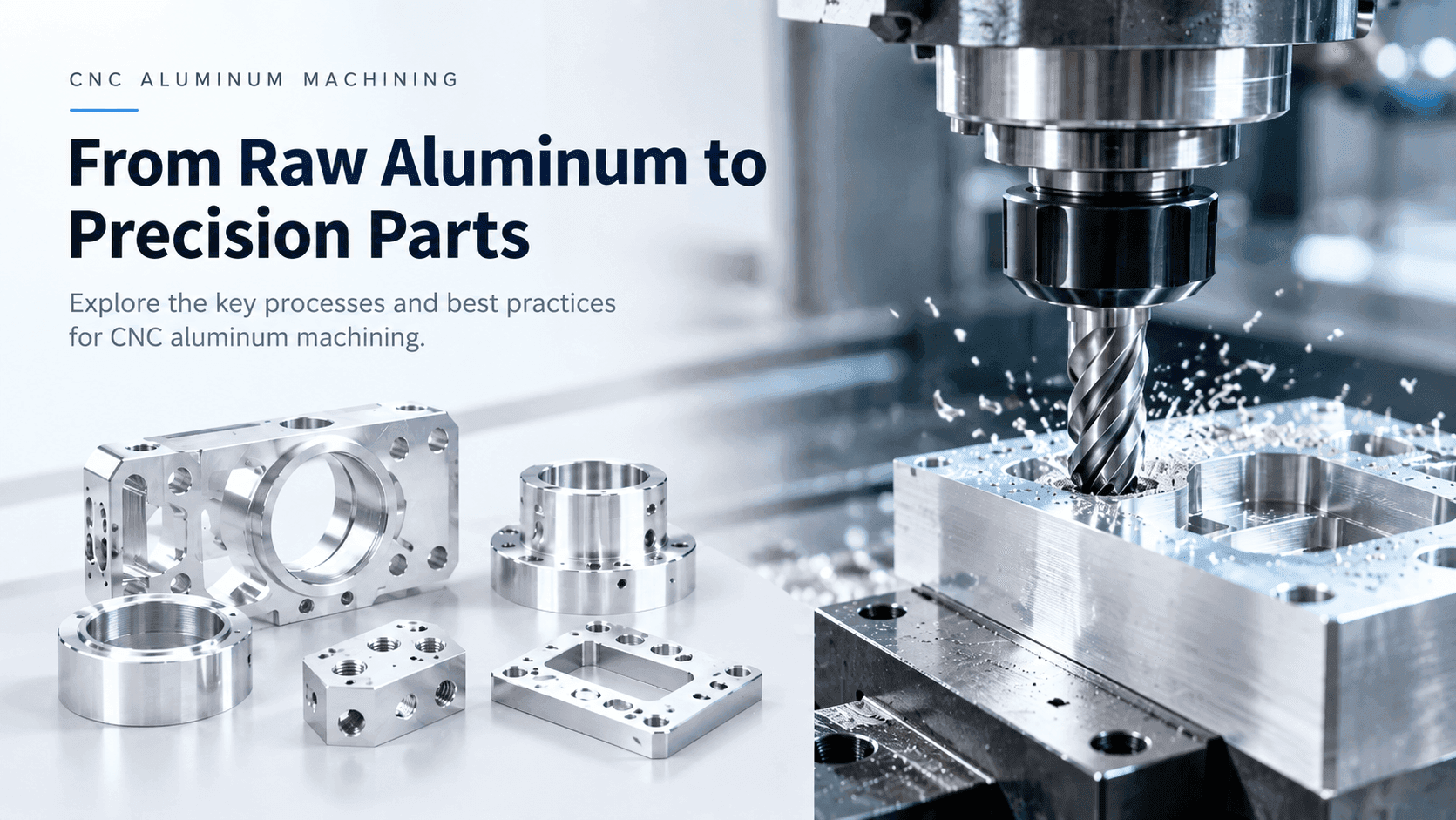
CNC machining is widely recognized for its exceptional precision, premium quality, and refined surface finish.
It is an ideal manufacturing solution for low-volume production, custom prototypes, and high-precision components, such as metal knobs, housings, structural parts, and functional prototypes.
With excellent dimensional accuracy and design flexibility, CNC machining allows manufacturers to create complex geometries and achieve superior details that are difficult to obtain through other manufacturing processes.
For high-volume production, CNC machining is often combined with aluminum extrusion or die casting processes. By using these processes for the main structure and applying CNC machining for precision features, critical surfaces, and finishing details, manufacturers can significantly reduce production costs, improve efficiency, and maintain the required product quality.
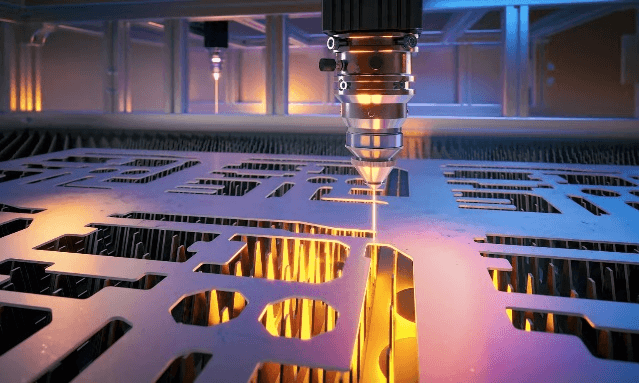
Sheet metal fabrication is a versatile manufacturing process that transforms flat metal sheets into functional components through cutting, bending, punching, welding, and surface finishing.
It is widely used for products that require structural strength, lightweight construction, and efficient production, such as equipment enclosures, electronic housings, brackets, cabinets, and industrial components.
Compared with machining from solid blocks, sheet metal fabrication uses the material more efficiently and can significantly reduce production costs, especially for medium to high-volume production.
The process also provides excellent flexibility for creating large-size parts and complex structures. However, designers need to consider factors such as material thickness, bending radius, hole placement, and welding requirements during the design stage to ensure manufacturability and consistent quality.
Electroplating applies a layer of metal to the surface of a product. Common plating materials include chromium, nickel, and gold. The purpose is usually to improve gloss, corrosion resistance, and wear resistance. It is often seen on faucets, hardware components, and automotive trim. Electroplating has high surface-quality requirements. Scratches, pits, and other surface defects can become much more noticeable after plating. Designers should also reserve appropriate locations for hanging fixtures and avoid sharp corners where possible to reduce the risk of uneven coating. The visual effect can be excellent, but the process also involves environmental considerations and can add cost.
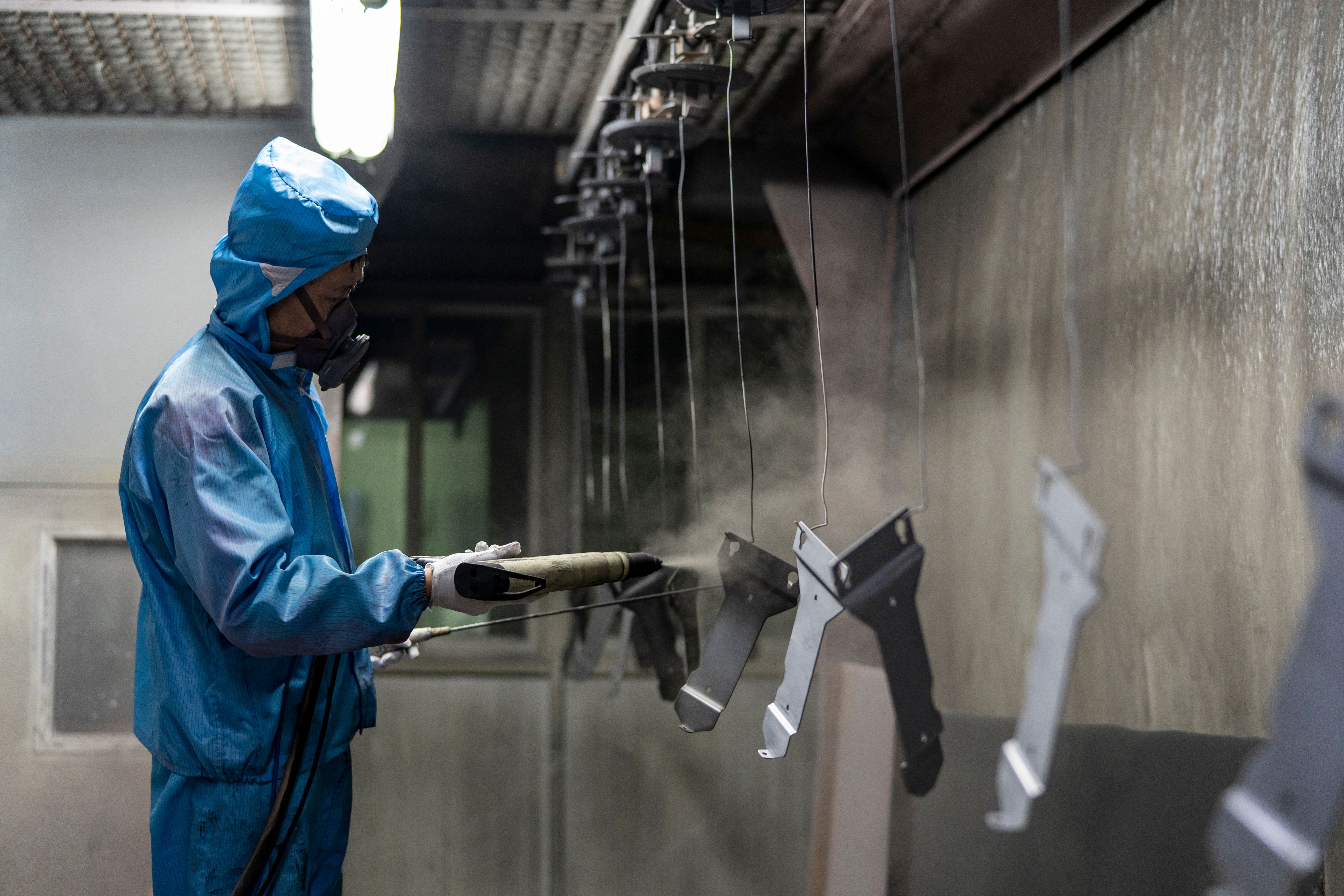
Spray coating is one of the most common surface-finishing methods. It can change a product's color, texture, and level of protection. Many plastic housings use spray coating to improve their visual appeal. Options can include matte, gloss, metallic, and fine-textured finishes. It is particularly useful for expressing a product's visual style, but designers should consider coating durability, environmental requirements, and the consistency of the final finish.
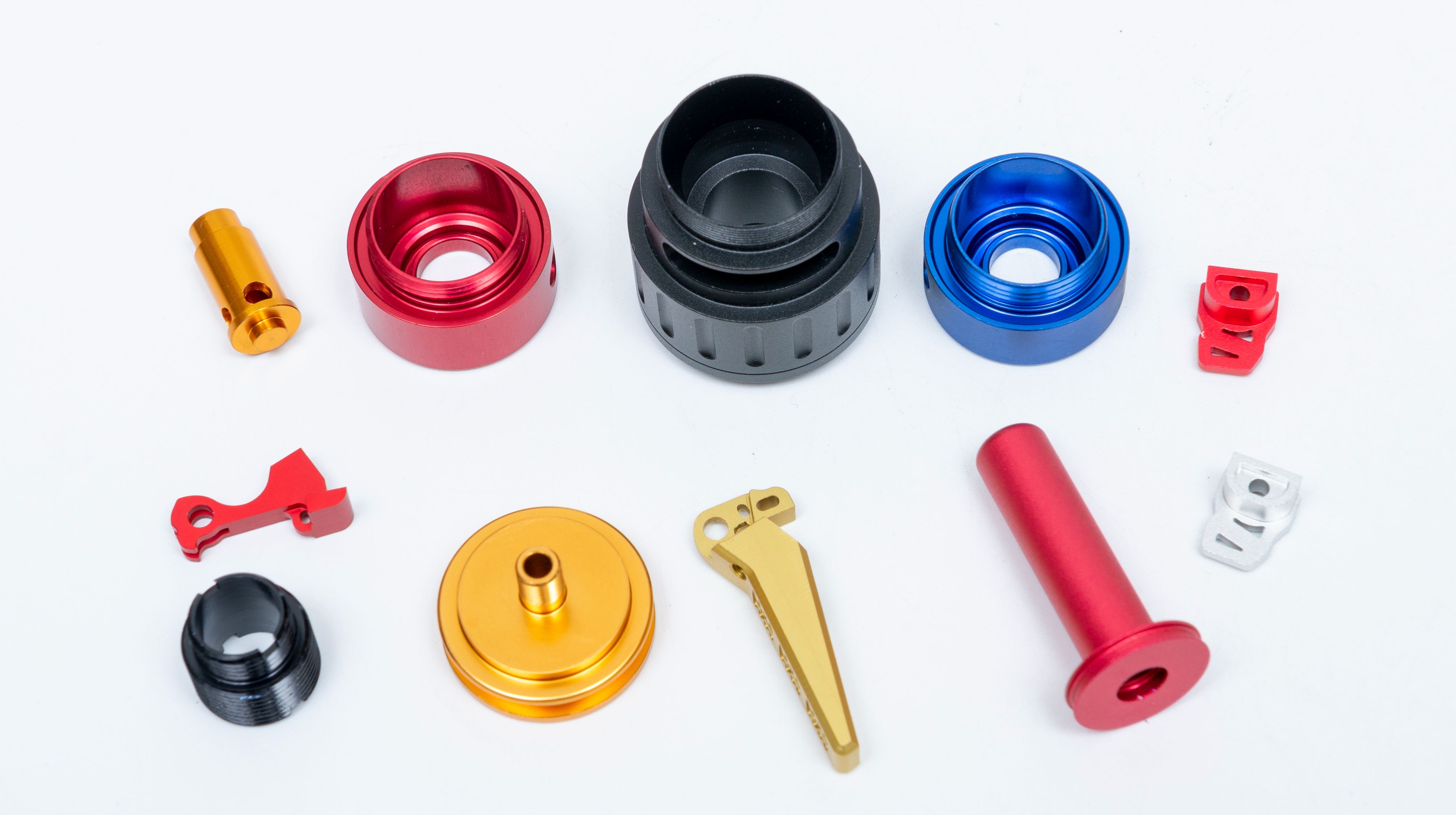
Anodizing is widely used for aluminum alloy surfaces, especially on electronic products, hardware components, and industrial-design products. It can improve the surface's corrosion resistance and create a refined, consistent color and texture. Anodizing can also give aluminum a more premium appearance while improving surface durability. Designers should consider the desired finish, color, masking areas, and dimensional requirements early in the design process.
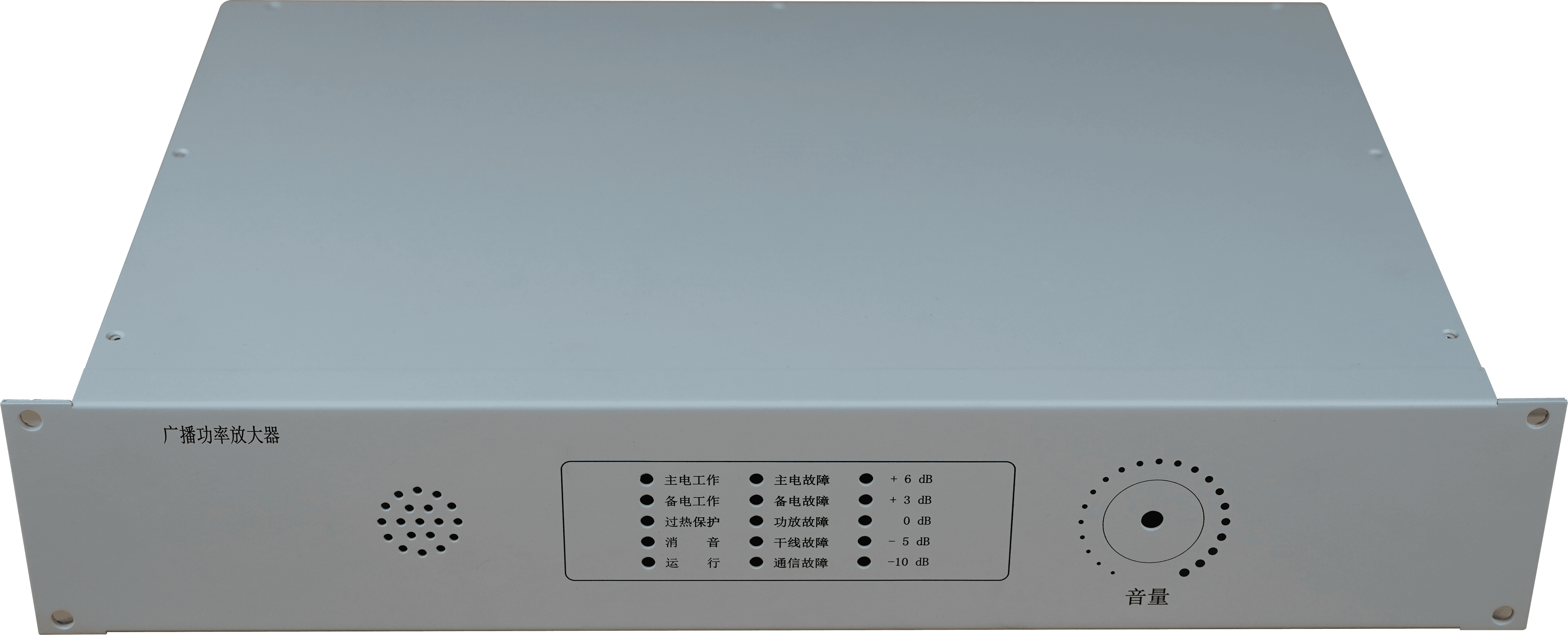
Screen printing is commonly used for logos, graphics, scales, labels, and functional instructions. It is well suited to clear, high-contrast text and graphic information. Although it may not be the main manufacturing process, screen printing can be important to the overall product design because it directly affects how users identify and interact with the product.
Laser engraving is often used for fine details, markings, logos, scales, and other information, particularly on metal surfaces. It offers good durability and is useful when designers need precise, permanent markings. Screen printing and laser engraving may seem like small details, but they can significantly affect product recognition and the user experience.
A common mistake among beginners is assuming that the more manufacturing processes a product uses, the more premium it will look. That is not necessarily true. A truly successful product is one in which the manufacturing process matches the product's positioning. More processes do not automatically mean a better product. Three Questions to Ask When Choosing a Process
Manufacturing processes are not simply production knowledge. They are also part of the design language.
Understanding manufacturing helps designers create more practical forms, more credible details, and concepts that are easier to turn into real products.
For industrial design students, the real difference is not simply whether you can draw or render. It is whether you understand what can actually be made, how it can be manufactured, and what the finished product will look and feel like.
Next
What are the Common Machining Methods for CNC Aluminum Alloy Parts?
2026-09-14A practical guide to CNC milling, CNC turning, drilling, finishing, and design considerations for precision aluminum components.

How Rising Copper Prices Affect CNC Machining Costs in 2026
2026-09-11Learn how rising copper and brass prices affect CNC machining costs and how better material selection and process optimization can reduce expenses.

Get in Touch With us
Helping customers grow steadily and achieve win-win development

Your trusted partner for CNC machining, sheet metal fabrication, stamping, and assembly. From prototyping to mass production with strict quality control.
tel:
0769-82763299
Mobile:
+86 18988716988
fax:
0769-82763199
Address:
No.3 Longze Road, Chang'an Town, Dongguan City, Guangdong Province, China,523861


Copyright © 2008-2026 | Dongguan Longwang Hardware Co., Ltd. | All Rights Reserved.


