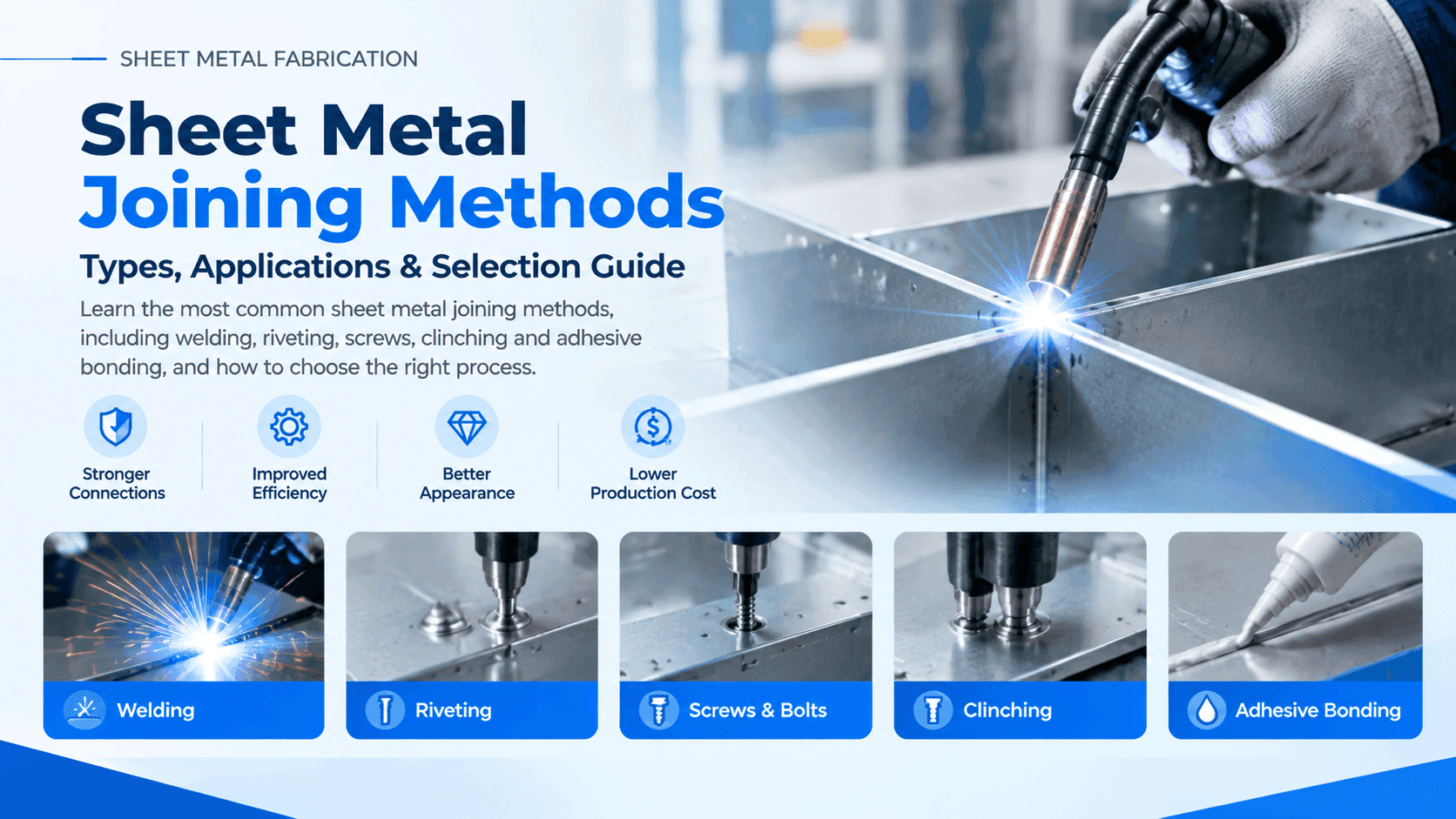
Sheet metal fabrication is not just about cutting and bending metal. For many sheet metal parts, the final challenge is how to join individual components together. The right joining method affects strength, appearance, assembly time, cost, serviceability, and the overall design of the finished product. A small enclosure, for example, may only need screws or rivets. A structural frame may require welding. For thin aluminum panels, mechanical fastening or clinching may be a better choice than welding. The best joining method depends on the material, thickness, load, appearance, production volume, and assembly requirements.
Sheet metal joining is the process of connecting two or more metal components to create a complete assembly. Depending on the application, the connection can be permanent, semi-permanent, or removable. The most common sheet metal joining methods include:
Welding creates a permanent connection by joining metal components through heat, pressure, or both. For sheet metal fabrication, common welding processes include TIG welding, MIG welding, and spot welding.
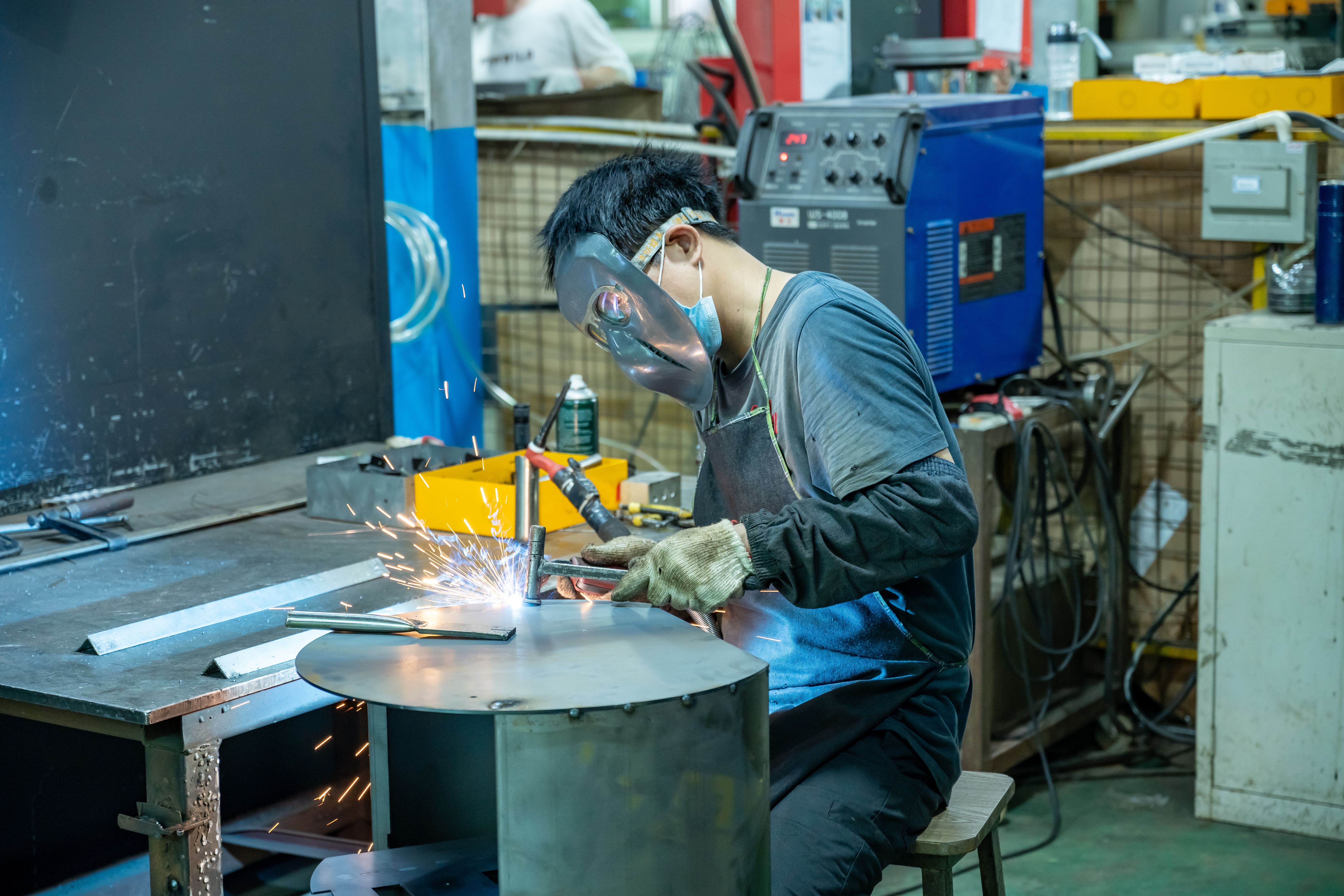
TIG welding provides excellent control and is often selected when appearance and precision are important. It works particularly well for stainless steel enclosures, aluminum sheet metal, thin metal panels, visible welded structures, and precision assemblies.
MIG welding is suitable for higher production efficiency and relatively larger welded structures. Typical applications include frames, brackets, machine structures, cabinets, and industrial equipment components.
Spot welding joins overlapping sheets at localized points. It is particularly useful for high-volume production where many similar parts need to be assembled quickly.
Best for: permanent assemblies, structural parts, metal frames, and applications requiring high joint strength.
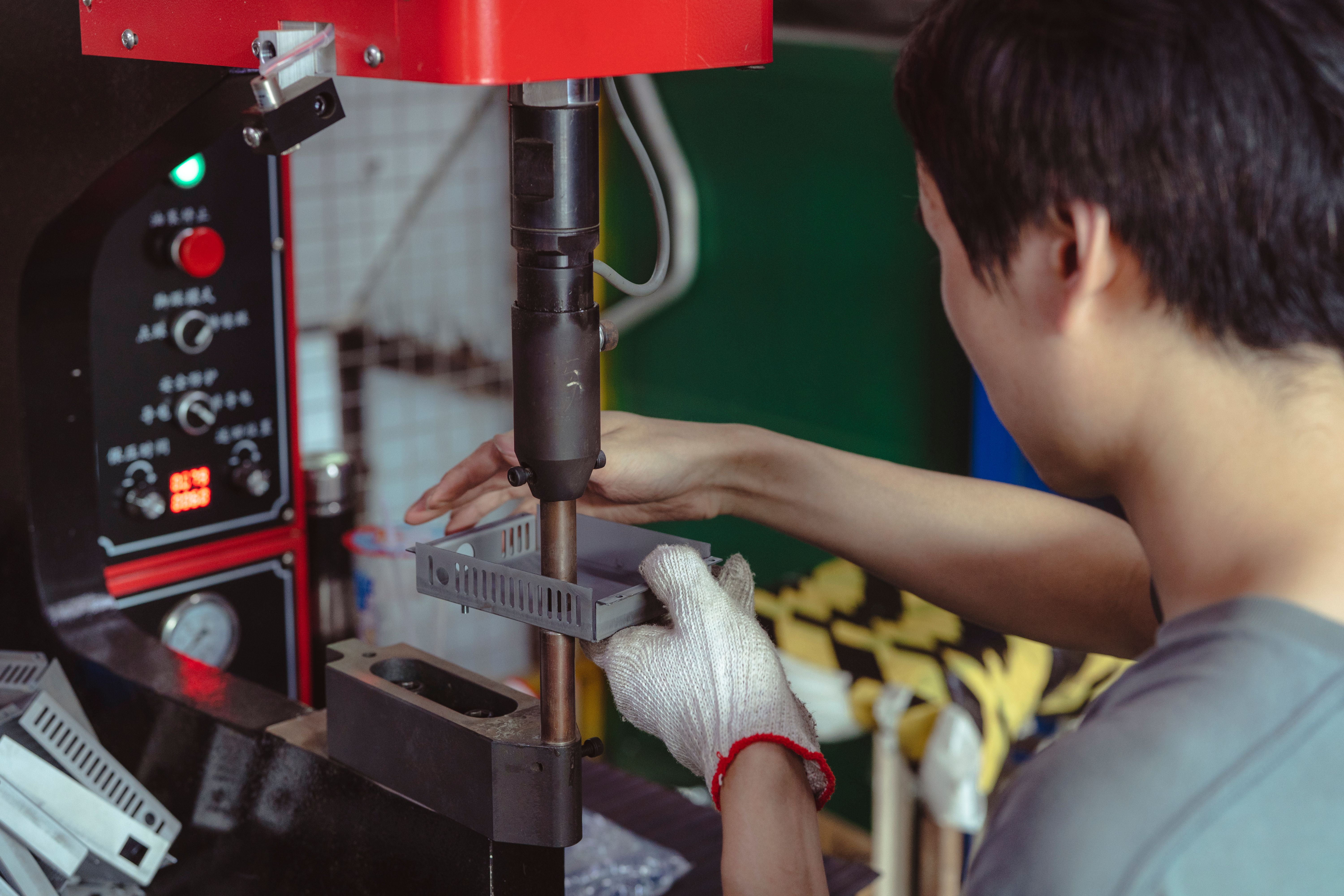
Riveting uses a mechanical fastener to connect two or more sheets. Unlike welding, riveting does not require melting the base material, making it useful for materials or designs that may be difficult to weld. Common options include:
Riveting can be a good choice when heat must be avoided, welding could damage the surface, different metals need to be joined, fast assembly is required, or the rear side of the assembly is difficult to access.
Best for: enclosures, panels, brackets, lightweight structures, and assemblies where welding is undesirable.
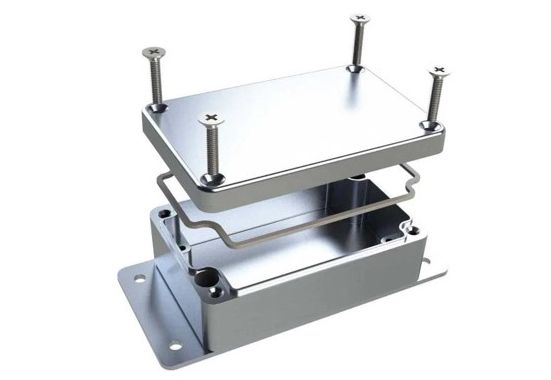
Mechanical fasteners are one of the most practical ways to create a removable sheet metal connection. Unlike welding or riveting, screws and bolts allow the assembly to be disassembled when maintenance or replacement is required. They are common in electrical cabinets, industrial equipment, machine covers, control boxes, electronic equipment, and access panels. For thin sheet metal, simply tapping a thread into the sheet may not provide enough thread engagement. Threaded inserts can provide a more reliable solution.
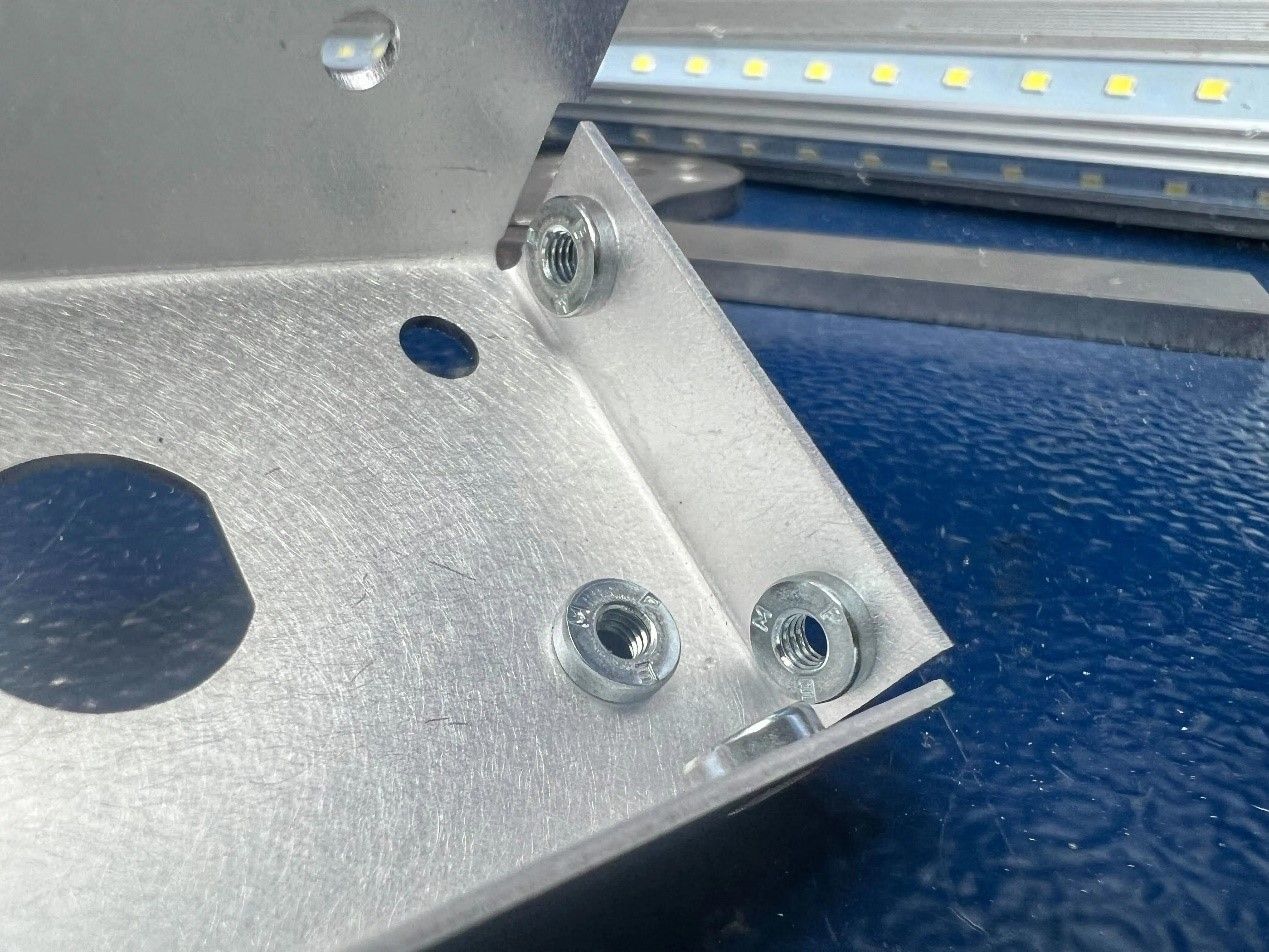
Threaded inserts provide a stronger threaded connection in relatively thin sheet metal. Self-clinching nuts, studs, and standoffs can be installed directly into prepared holes without conventional welding. Typical applications include:
For products that require frequent servicing, threaded inserts can simplify assembly and maintenance.
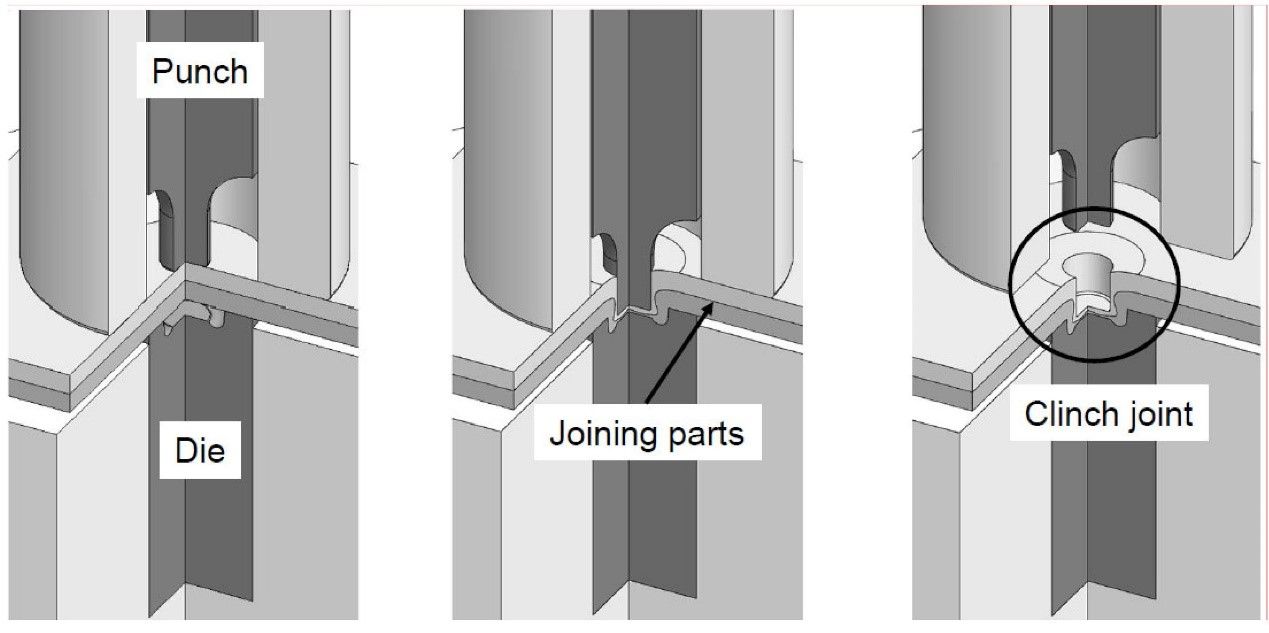
Clinching joins sheet metal through localized plastic deformation. Instead of adding a separate fastener or using heat, specially designed tooling deforms the sheets so that they mechanically lock together. Major advantages include fast assembly, low material consumption, no heat-affected zone, good repeatability, and potential for automated production.
Best for: high-volume sheet metal production where fast, repeatable assembly is important, and the joint does not require extreme structural strength.
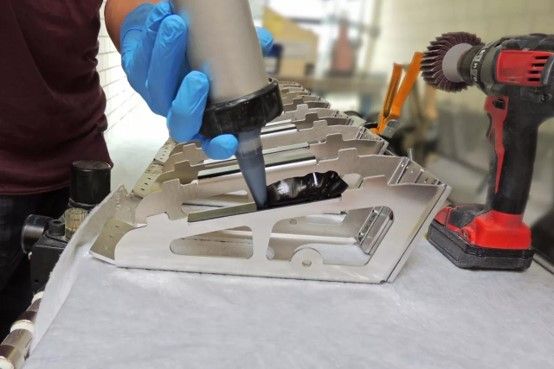
Adhesive bonding uses an industrial adhesive to connect two surfaces. It can be particularly useful for different metals, metal-to-plastic assemblies, large surface areas, thin materials, and visible surfaces where mechanical fasteners are undesirable. Because no holes are required, adhesive bonding can help maintain a clean external appearance. However, temperature, humidity, chemical exposure, surface preparation, curing time, and expected loads should all be considered. For demanding applications, adhesive bonding can also be combined with mechanical fastening or welding.
There is no single joining process that is best for every sheet metal part. Before choosing a process, engineers should evaluate the following factors:
| Factor | Questions to Consider |
|---|---|
| Material | Aluminum, stainless steel, mild steel, or mixed materials? |
| Thickness | How thin or thick are the sheets? |
| Strength | What loads will the joint experience? |
| Appearance | Will the joint be visible on the finished product? |
| Serviceability | Does the assembly need to be opened later? |
| Production volume | Prototype, low volume, or mass production? |
| Cost | What is the target assembly cost? |
| Environment | Temperature, moisture, chemicals, or vibration? |
| Automation | Does the process need to support automated assembly? |
For example, welding may be the right choice for a rigid industrial frame, while threaded fasteners are usually more suitable for an enclosure that needs regular maintenance.
A good joining process starts with good part design. Before fabrication begins, engineers should consider joint geometry, hole location, material thickness, accessibility, surface finish, and tolerance.
DFM analysis before production can prevent many assembly problems and reduce avoidable manufacturing costs.
At Dongguan Longwang Hardware, sheet metal fabrication is part of our broader one-stop manufacturing capability. We can support projects from prototype and engineering review through fabrication, surface treatment, assembly, and final inspection. Our sheet metal capabilities include:
We don't look at joining as an isolated manufacturing step. Our engineering team considers the material, sheet thickness, tolerances, bending structure, joining method, surface treatment, and final assembly requirements together. This helps customers avoid designs that are technically possible but unnecessarily expensive or difficult to manufacture.
If you're developing a new enclosure, bracket, cabinet, frame, or custom sheet metal assembly, send us your 2D drawing, 3D CAD file, or preliminary design. We can review the design and recommend a practical manufacturing and joining solution based on:
Get a sheet metal manufacturing quote from Longwang and let our engineers review your design!
Next
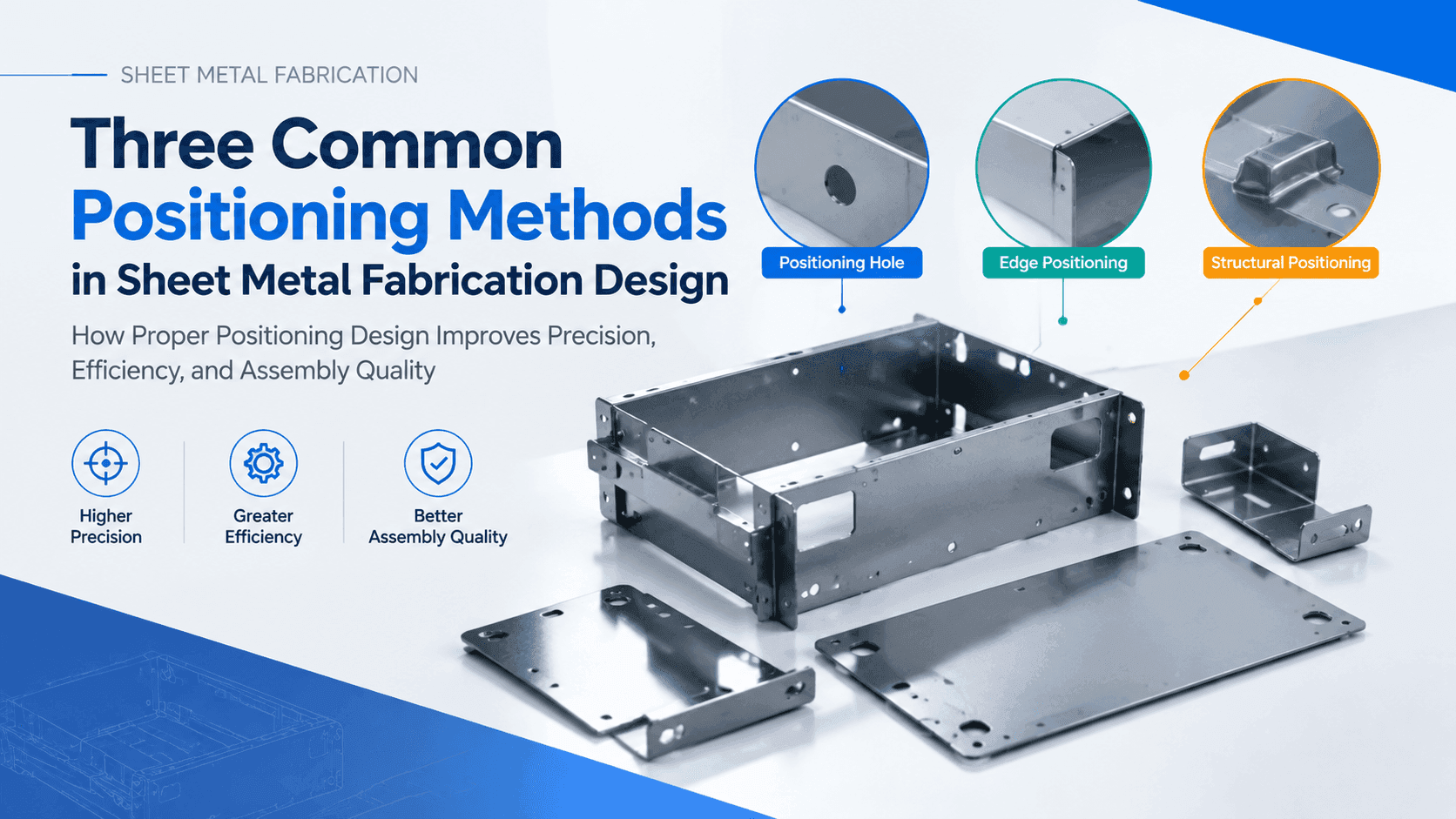
Three Common Positioning Methods in Sheet Metal Fabrication Design
2026-09-08Learn three common positioning methods in sheet metal fabrication design, including positioning holes, edge positioning, and structural positioning features to improve manufacturing accuracy and assembly efficiency.
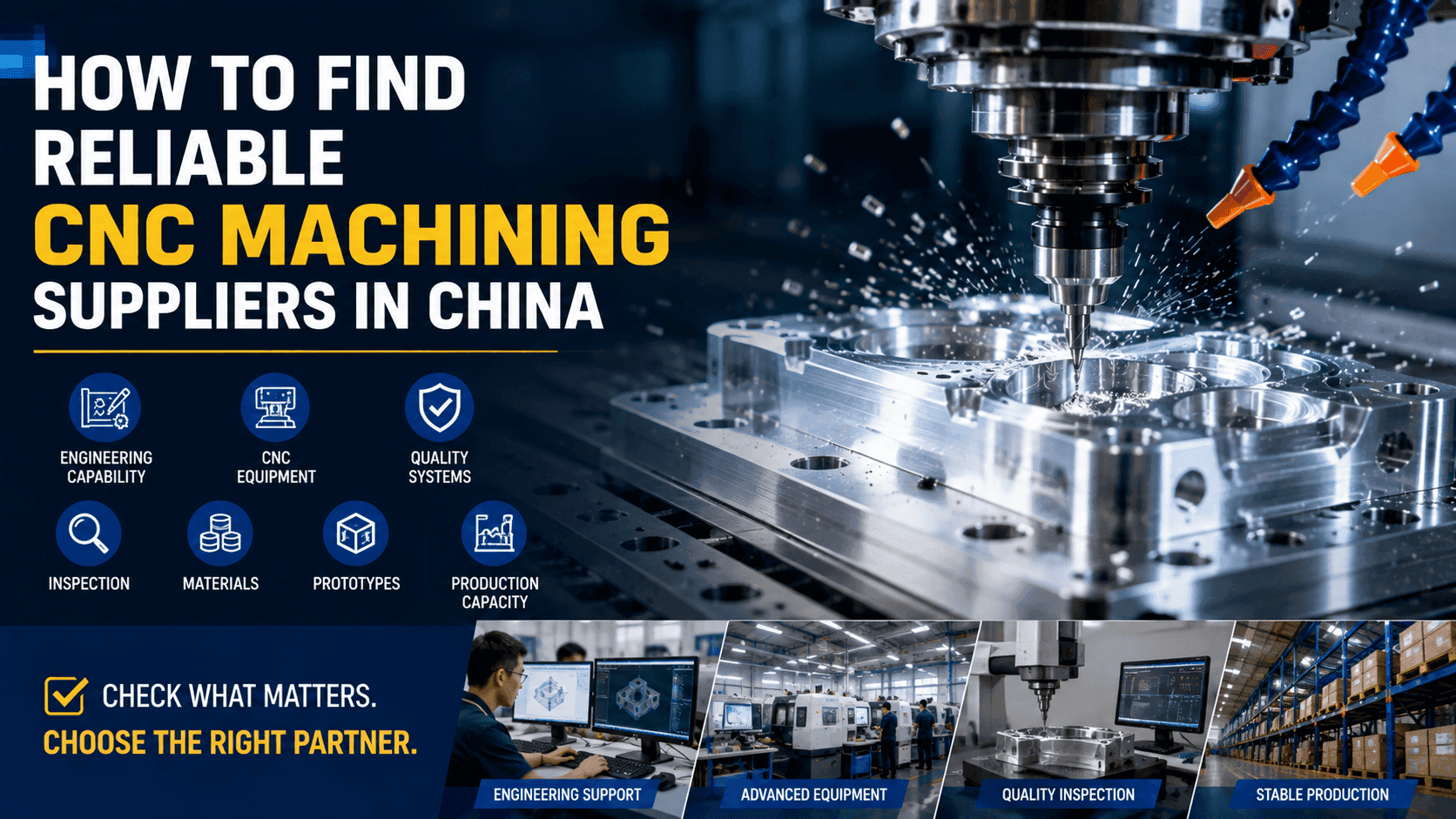
How to Find Reliable CNC Machining Suppliers in China?
2026-08-31Learn how to find reliable CNC machining suppliers in China. Check engineering capability, CNC equipment, quality systems, inspection, materials, prototypes, and production capacity.

Get in Touch With us
Helping customers grow steadily and achieve win-win development

Your trusted partner for CNC machining, sheet metal fabrication, stamping, and assembly. From prototyping to mass production with strict quality control.
tel:
0769-82763299
Mobile:
+86 18988716988
fax:
0769-82763199
Address:
No.3 Longze Road, Chang'an Town, Dongguan City, Guangdong Province, China,523861


Copyright © 2008-2026 | Dongguan Longwang Hardware Co., Ltd. | All Rights Reserved.


