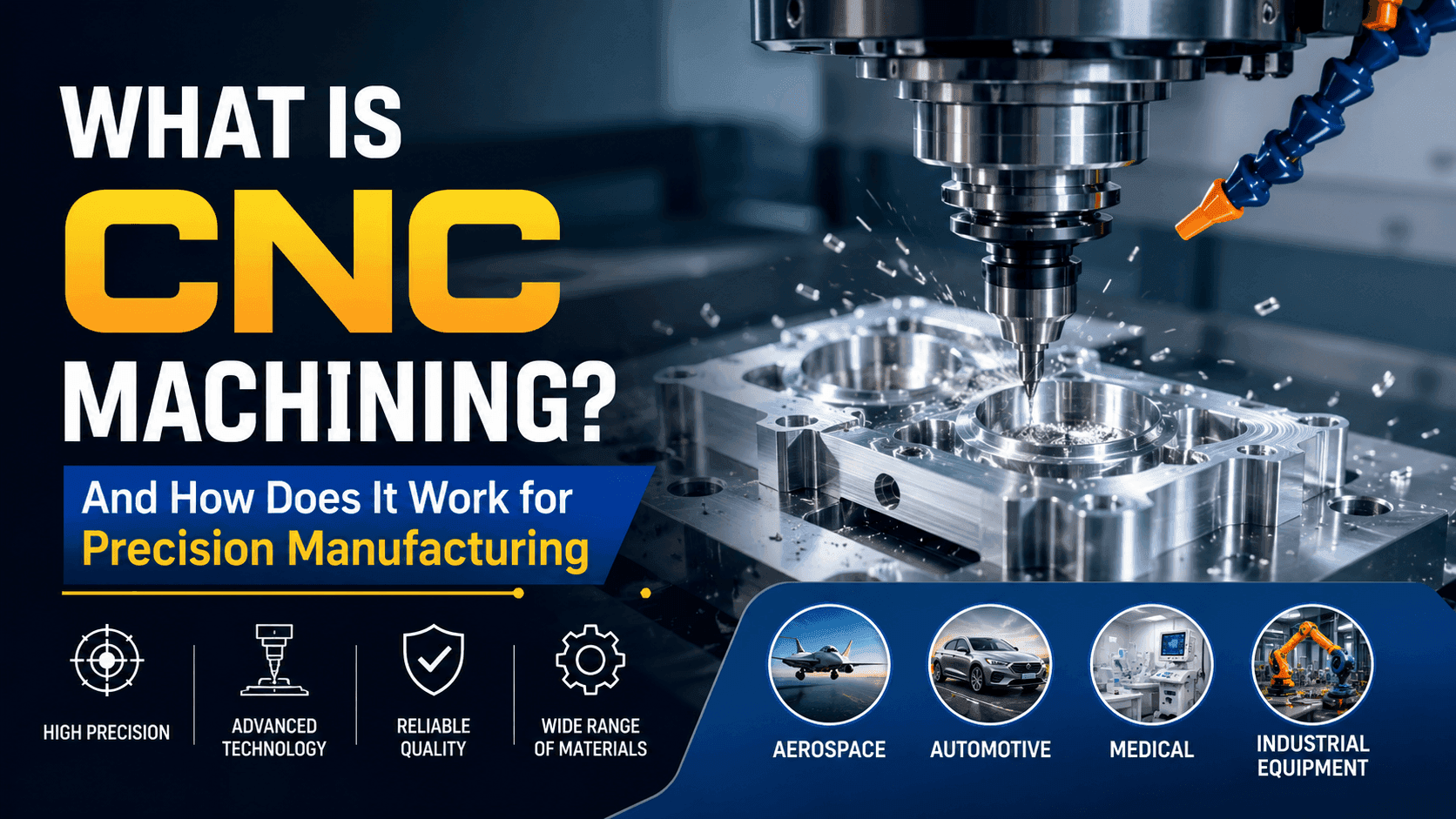
CNC machining is one of the most widely used manufacturing processes for producing precise metal and plastic components. From aluminum housings and automotive parts to aerospace components and medical equipment, CNC machining can turn a digital design into a finished physical part with consistent dimensions and repeatable quality.
But what exactly is CNC machining, and how does it work?
In simple terms, CNC machining is a computer-controlled subtractive manufacturing process. Instead of building a part layer by layer, as 3D printing does, a CNC machine starts with a solid block, bar, or other workpiece and removes material with cutting tools until the required geometry is achieved.
For manufacturers, however, CNC machining is more than simply cutting metal. The final accuracy of a part depends on the entire process — from design and DFM analysis to programming, machine setup, tooling, machining parameters, inspection, and surface finishing.
This guide explains how CNC machining works, the main CNC processes, commonly machined materials, achievable precision, applications, costs, and what to consider when choosing a CNC machining supplier.
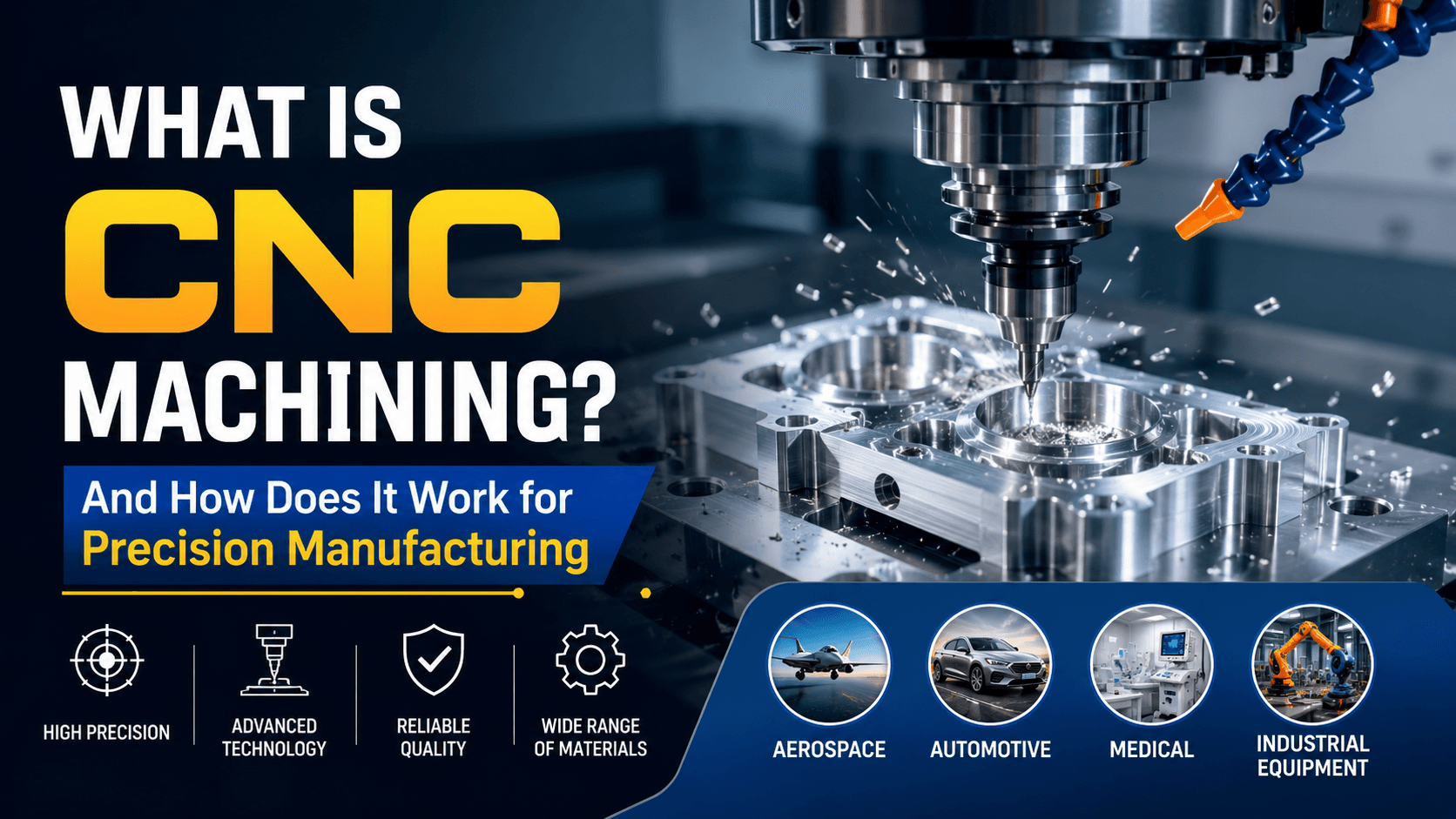
CNC stands for Computer Numerical Control.
CNC machining uses computer-controlled machine tools to automatically control the movement of cutting tools and the workpiece. A digital CAD model is converted into machine instructions, allowing the machine to perform operations such as milling, turning, drilling, tapping, boring, and threading with a high level of repeatability.
The process is called subtractive manufacturing because material is removed from a larger workpiece to create the final component.
For example, imagine starting with a solid block of 6061 aluminum. A CNC milling machine can remove material from the top, sides, and internal areas to produce mounting holes, pockets, slots, curved surfaces, threads, and other features.
The result is a finished component manufactured directly from the customer’s digital design.
CNC machining is commonly used for:
One of the biggest advantages of CNC machining is its flexibility. The same basic manufacturing method can be adapted to different materials, geometries, quantities, and production requirements.
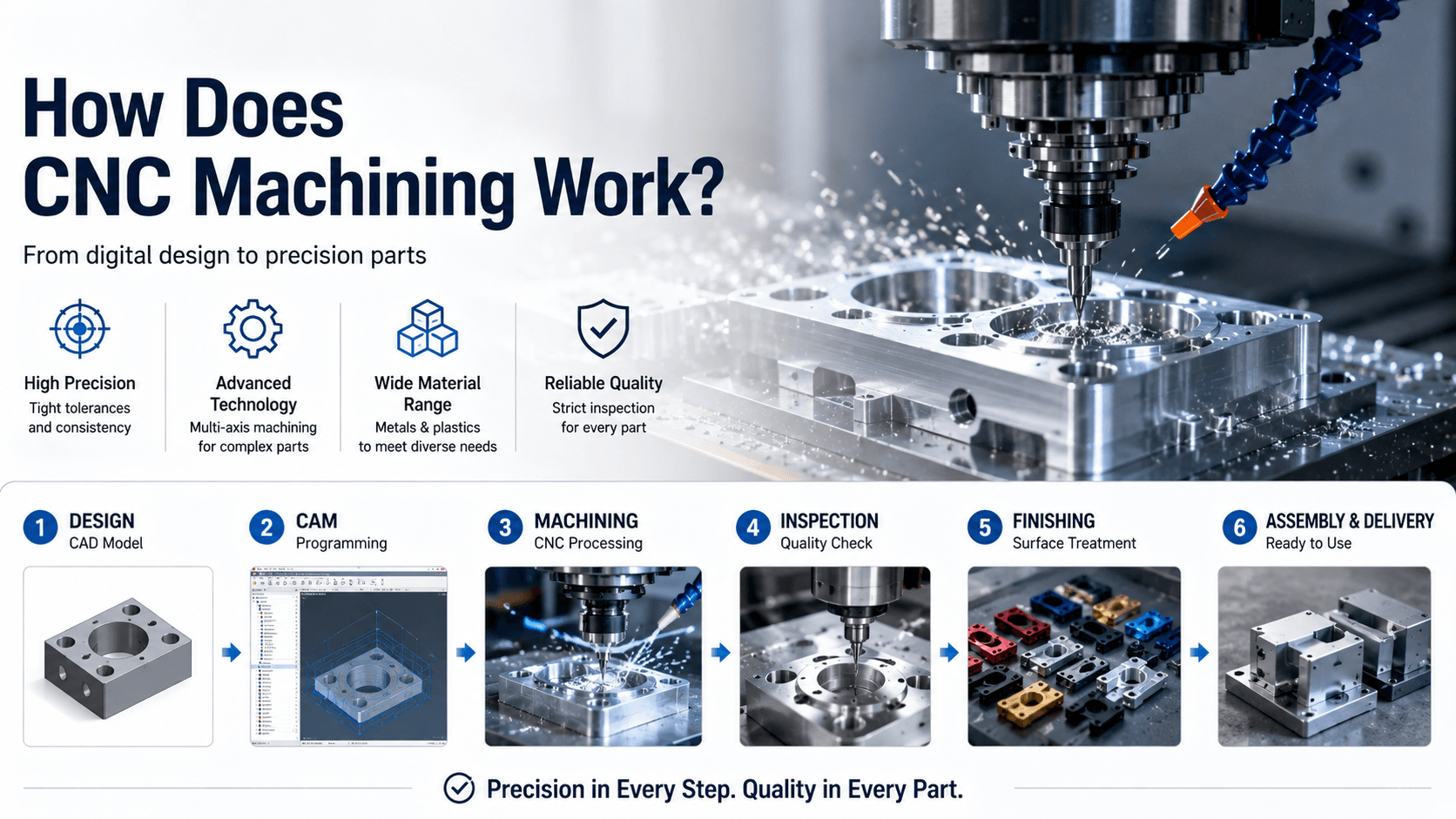
Although CNC machining may look like an automated cutting process, producing a reliable precision part requires several carefully controlled stages.
A typical CNC machining workflow includes:
CAD Design → DFM Analysis → CAM Programming → Machine Setup → Machining → Inspection → Surface Treatment → Assembly → Final Delivery
Let’s look at each stage.
The CNC machining process starts with a digital design. The customer normally provides a 3D CAD model, 2D drawing, or both. Common file formats include STEP, STP, IGES, and other CAD formats, and the drawing should define important manufacturing requirements such as:
A good CNC supplier should not simply send the file directly to machining. Before production begins, engineers need to understand how the component will function and identify manufacturing risks.
DFM analysis is one of the most important steps in CNC manufacturing.
The goal is simple: Can this part be manufactured efficiently, accurately, and consistently with the proposed design?
For example, CNC cutting tools are generally cylindrical. This means extremely sharp internal corners are difficult or impossible to produce directly. Deep cavities, thin walls, narrow slots, and difficult tool access can also increase machining time and cost.
An experienced manufacturer can identify these issues before production.
A small design change at this stage may reduce machining time, eliminate an additional setup, improve tool access, and lower the final part cost.
This is why engineering support can be just as important as machine capacity when selecting a CNC machining partner.
After the design has been reviewed, the CAD model is converted into machine instructions using CAM (Computer-Aided Manufacturing) software.
The CAM process determines:
The resulting program contains instructions that tell the CNC controller how the machine should move.
G-code is commonly used to control machine movements, while other machine commands control functions such as spindle operation, coolant, and tool changes.
The programming stage has a direct impact on surface quality, machining time, tool life, and dimensional accuracy.
Before cutting begins, the raw material must be securely positioned inside the CNC machine.
The setup may involve:
The machine operator also establishes the work coordinate system and verifies tool offsets.
Proper setup is critical because even a highly accurate CNC machine cannot compensate for a poorly positioned workpiece.
For complex components, reducing the number of setups can also improve consistency because the part does not need to be repeatedly repositioned.
Once the program and setup have been verified, machining begins. The machine follows the programmed toolpaths while cutting material from the workpiece.
A typical milling operation may involve several stages:
Rough Machining
Large amounts of material are removed quickly to create the basic shape.
Semi-Finishing
The remaining material is reduced as the part is brought closer to its final geometry.
Finishing
Smaller tools and controlled cutting parameters are used to achieve the required dimensions and surface quality.
Drilling and Tapping
Holes, threaded holes, and other secondary features are machined as required.
Depending on the part geometry, several operations may be combined into a single setup or performed across multiple setups.
CNC machining includes several different manufacturing processes. The two most common are CNC milling and CNC turning.
CNC milling uses rotating cutting tools to remove material from a stationary workpiece.
It is suitable for components with:
CNC milling is widely used for housings, brackets, fixtures, equipment components, electronic parts, and precision mechanical components.
3-axis machining moves the cutting tool along the X, Y, and Z axes.It is an economical solution for many standard components and is particularly suitable for parts with relatively accessible features.
4-axis machining adds rotational movement to the basic three linear axes.
This allows manufacturers to machine additional surfaces without completely repositioning the workpiece, making it useful for components with features around a central axis.
5-axis CNC machining adds two rotational axes to the three linear axes.
The cutting tool can approach the workpiece from multiple directions, making 5-axis machining particularly useful for complex geometries and components that would otherwise require several setups.
Fewer setups can also reduce repositioning errors and improve consistency on complex parts.
CNC turning works differently from milling. In CNC turning, the workpiece rotates while the cutting tool moves along controlled paths to remove material.
It is especially suitable for rotational or cylindrical components such as:
Modern turning centers can also integrate milling, drilling, and other operations, allowing manufacturers to produce more complex components with fewer separate setups.
For production parts with primarily cylindrical geometry, CNC turning can be highly efficient and cost-effective.
One reason CNC machining remains important in modern manufacturing is its broad material compatibility. Common CNC machining materials include:
Aluminum is one of the most popular materials for CNC machining because it combines low weight, good machinability, corrosion resistance, and a strong strength-to-weight ratio.
Common alloys include:
Aluminum is widely used for electronic housings, automotive components, aerospace parts, fixtures, and equipment components.
Stainless steel provides excellent corrosion resistance and mechanical strength.
Common applications include medical equipment, food-processing equipment, industrial machinery, and precision mechanical components.
Steel is suitable for components requiring high strength, hardness, wear resistance, or structural performance.
Brass and copper are commonly used for electrical components, connectors, fittings, heat-transfer components, and decorative parts.
Titanium combines low density with high strength and excellent corrosion resistance, making it attractive for aerospace, medical, and high-performance applications. However, titanium is more challenging to machine than aluminum because of its material properties and heat-management requirements.
CNC machining is not limited to metals. Materials such as POM, ABS, PC, Nylon, PTFE, and PEEK can also be machined for prototypes, insulating components, housings, gears, and other applications.
The correct material depends on the component’s mechanical, thermal, electrical, chemical, and environmental requirements.
Precision is one of the main reasons companies choose CNC machining. However, it is important to understand that CNC machining accuracy is not determined by the machine alone. It depends on:
For general CNC machining, tolerances of ±0.005 in (±0.127 mm) are commonly used in some manufacturing environments, while precision machining can achieve substantially tighter tolerances when the material, geometry, process, and inspection requirements allow it. Some CNC manufacturing providers cite ±0.001 in (±0.025 mm) as a typical precision target.
The important point is not to specify the tightest tolerance possible on every dimension.
Instead, critical dimensions should receive the tolerances required by the actual function of the part.
Over-specifying tolerances can increase machining time, inspection requirements, scrap risk, and cost without improving the performance of the final product.
CNC machining is a strong choice when your project requires a combination of:
It may not be the most economical solution for every application. High-volume plastic products, for example, may become more cost-effective with injection molding once tooling costs are distributed across a large production volume.
The right manufacturing process depends on part geometry, material, quantity, tolerances, surface finish, application, and total production cost.
Choosing a CNC machining supplier is not only about finding the lowest quotation. For precision components, consider the supplier’s:
Can they review your design and identify manufacturing risks before production?
Do they have suitable 3-axis, 4-axis, 5-axis, turning, and other equipment for your component?
Have they worked with your required aluminum, stainless steel, titanium, engineering plastic, or other material?
Do they have appropriate inspection equipment and documented quality processes?
Can they manage anodizing, powder coating, polishing, plating, painting, or other finishing requirements?
Can they assemble the finished components if your project requires a complete subassembly?
Can the supplier support your project when the quantity increases from prototype to production?
Can engineers and project managers communicate clearly about drawings, tolerances, design changes, quality issues, and delivery requirements?
A supplier that can manage these stages under one manufacturing system can reduce communication between multiple vendors and simplify your supply chain.
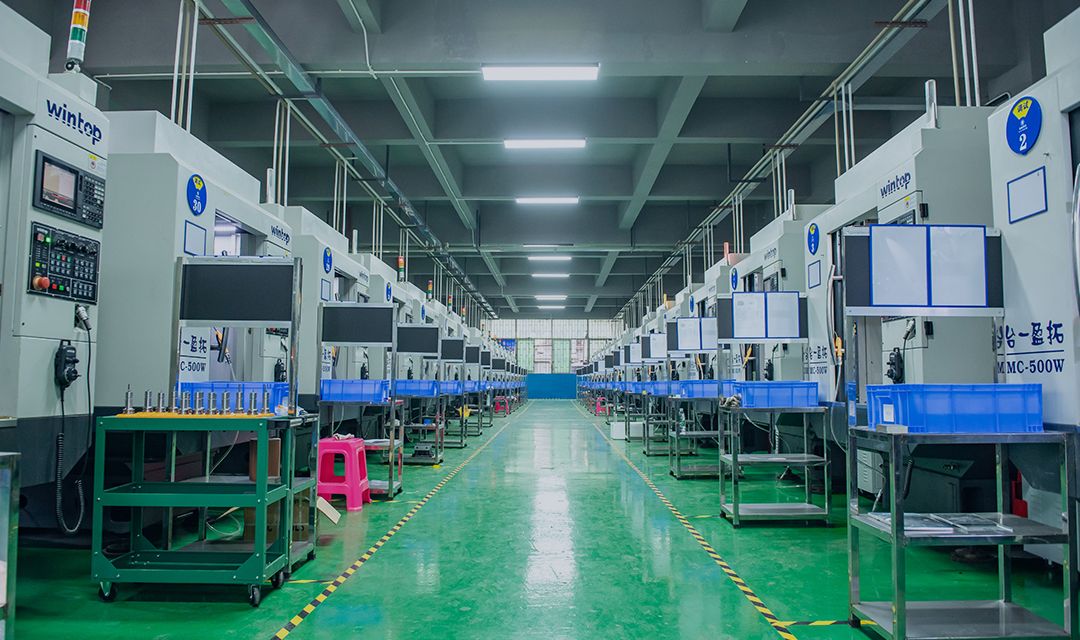
CNC machining has become a fundamental technology in precision manufacturing because it combines digital design, automated machine control, material flexibility, and repeatable production.
But producing a genuinely reliable CNC machined component requires more than owning a CNC machine.
The difference often comes from what happens before and after the cutting process:
Good design → DFM analysis → Correct material → Proper tooling → Controlled machining → Accurate inspection → Appropriate finishing → Reliable assembly
For buyers, this means the best CNC machining supplier is not necessarily the one with the lowest initial quotation. It is the partner that can understand your design, identify potential manufacturing problems, control the production process, verify critical dimensions, and deliver consistent parts as your project moves from prototype to production.
If you already have a 3D CAD model, 2D drawing, material specification, or sample part, the next step is simple.
Send your requirements to LongWang’s engineering team for a manufacturing review and quotation.
From precision CNC machining to surface finishing, assembly, and production delivery, we help turn your design into a production-ready component.
Have a CNC project in mind? Send us your drawings and let our engineers review your requirements.
Next
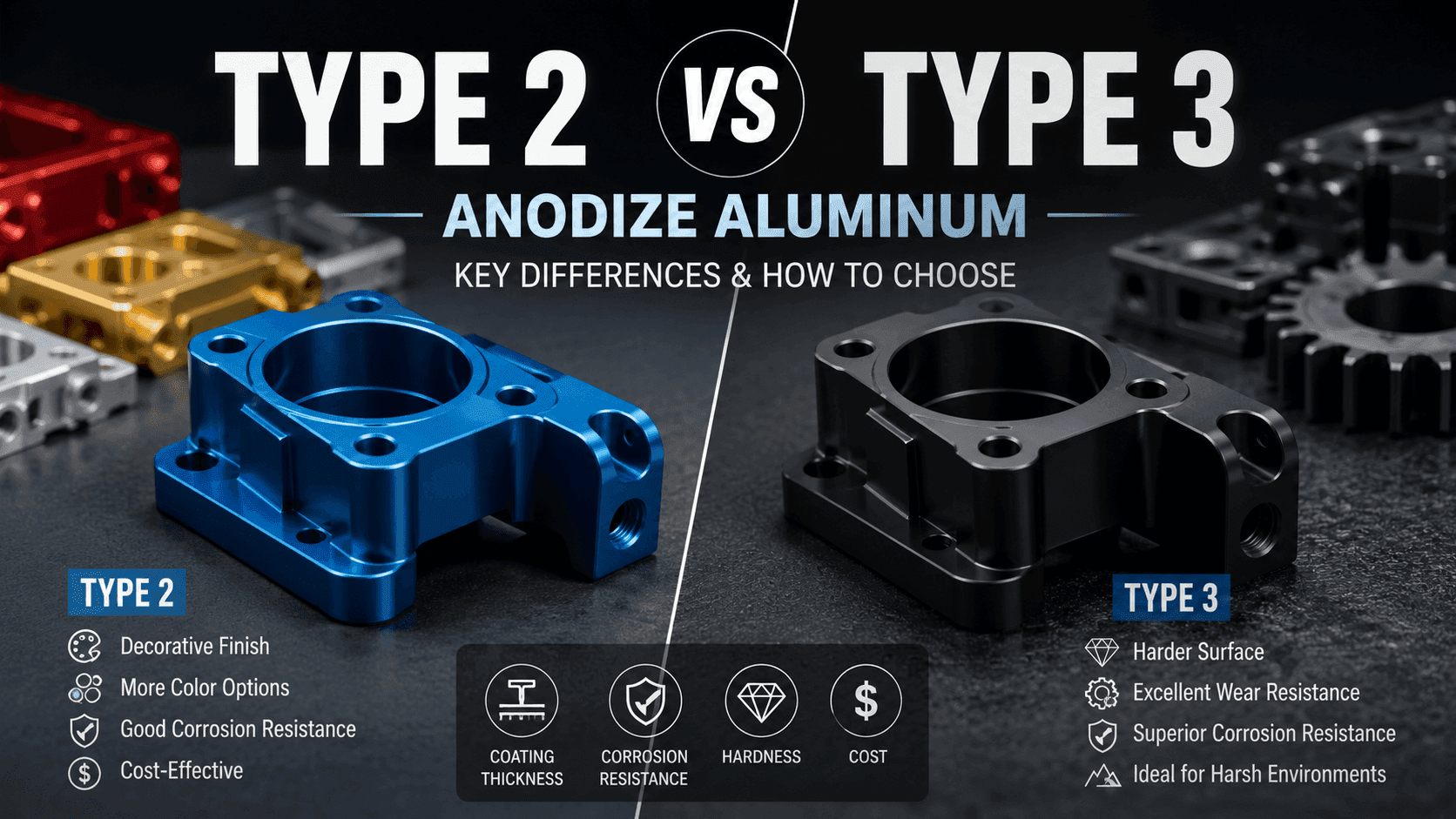
Type Ⅱ vs Type Ⅲ Anodizing: Which Is Best for CNC Parts?
2026-08-17Compare Type 2 vs Type 3 anodized aluminum for hardness, durability, color, cost, and corrosion resistance. Find the right finish for CNC aluminum parts.
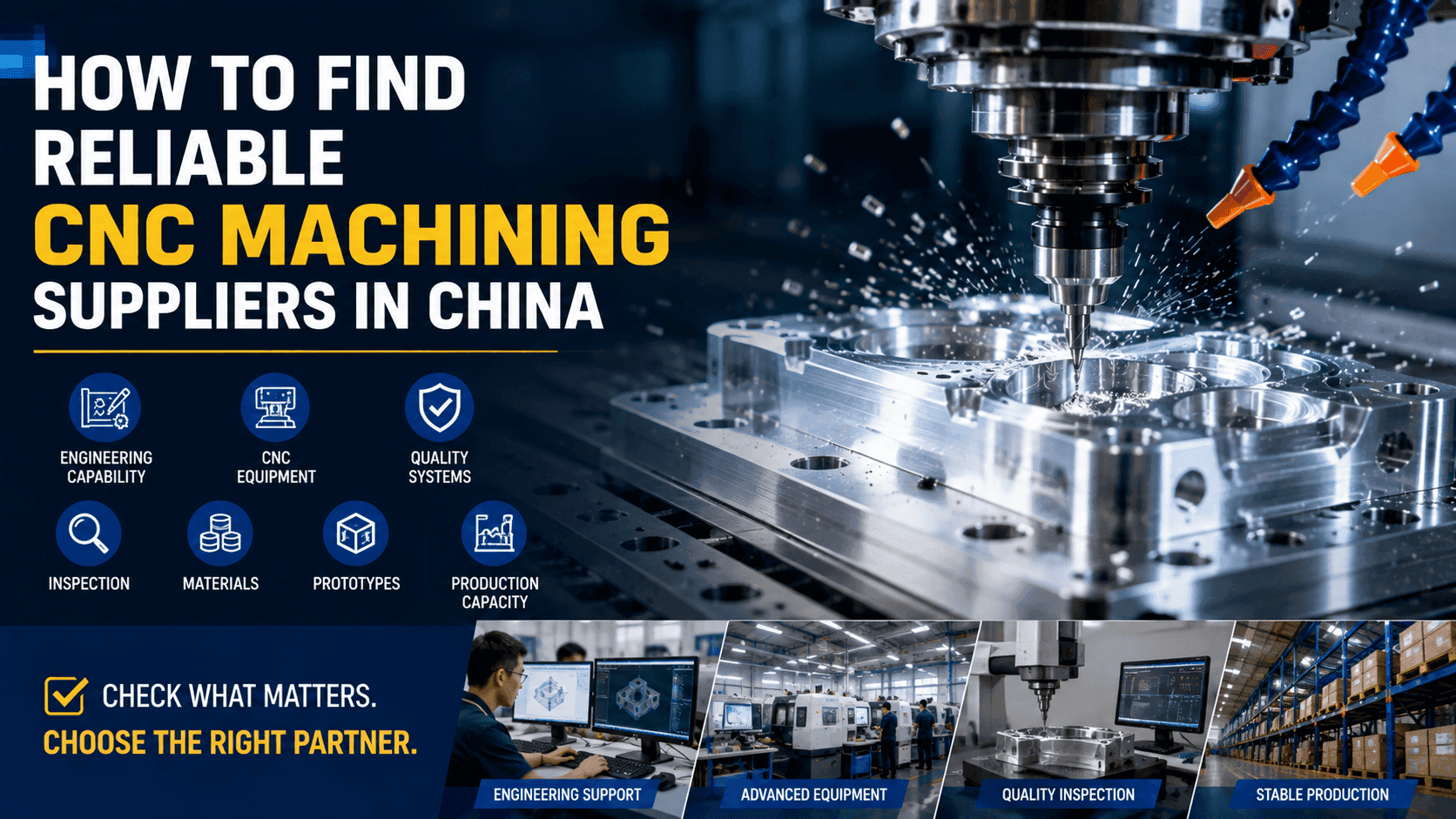
How to Find Reliable CNC Machining Suppliers in China?
2026-08-31Learn how to find reliable CNC machining suppliers in China. Check engineering capability, CNC equipment, quality systems, inspection, materials, prototypes, and production capacity.

Get in Touch With us
Helping customers grow steadily and achieve win-win development

Your trusted partner for CNC machining, sheet metal fabrication, stamping, and assembly. From prototyping to mass production with strict quality control.
tel:
0769-82763299
Mobile:
+86 18988716988
fax:
0769-82763199
Address:
No.3 Longze Road, Chang'an Town, Dongguan City, Guangdong Province, China,523861


Copyright © 2008-2026 | Dongguan Longwang Hardware Co., Ltd. | All Rights Reserved.


