Custom High Precision Turning: Small Batch vs Mass Production
In today’s competitive manufacturing landscape,businesses often face a critical decision when it comes to producing high-quality components:should they opt for small batch production or invest in mass production?This decision is particularly important when dealing with high precision turning,a process that demands exact tolerances and exceptional surface finishes.
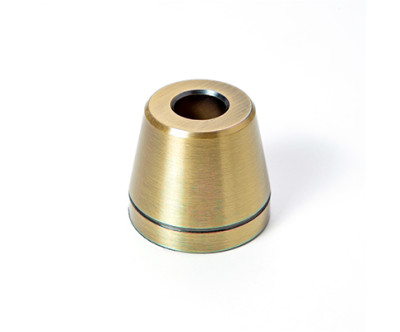
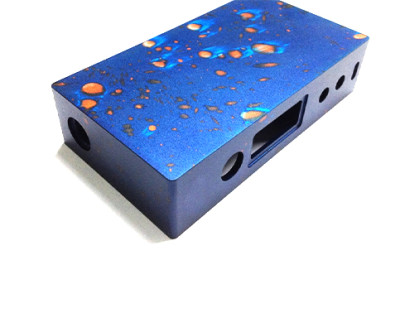
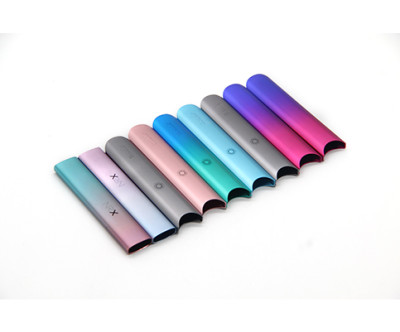
High precision turning is a specialized machining process that allows for the creation of complex metal components with incredible accuracy.It is widely used in industries such as aerospace,automotive,medical devices,and electronics,where even minor deviations can compromise performance.Whether you are looking to produce a few prototype parts or a large series of components,choosing the right approach can impact cost,lead time,and overall quality.
For small batch production,CNC precision turning offers significant advantages.Manufacturers can create a limited number of parts with minimal setup time,which reduces upfront costs.Small batch production also allows for rapid iterations,making it ideal for prototyping or customized parts.Precision turning services in this context focus on delivering consistent quality while maintaining flexibility.Each component can be carefully inspected and adjusted to meet exact specifications,which is essential when tolerances are tight.
On the other hand,mass production requires a different strategy.High-volume manufacturing demands robust processes and repeatable precision.Precision turning services for mass production often involve automated workflows,specialized tooling,and stringent quality control systems.Although the initial setup and tooling costs are higher,producing a large quantity of parts per run reduces the unit cost significantly.High precision turning in mass production ensures that every component meets the required standards without compromising speed.
One key consideration when choosing between small batch and mass production is the level of customization required.Small batch CNC precision turning allows for high flexibility,enabling manufacturers to adjust dimensions or materials as needed.Mass production,however,relies on fixed tooling and standardized processes,which can limit customization but guarantees consistency for large orders.Companies must weigh these factors carefully to determine which approach aligns with their business goals and production requirements.
Material selection also plays a critical role in both small batch and mass production scenarios.Metals such as stainless steel,aluminum,and titanium are commonly used for high precision turning,each presenting unique challenges.For small batches,it is easier to manage specialized materials or exotic alloys,while mass production may require more standardized materials to ensure consistent machining and minimize tool wear.
Lead time is another crucial factor.Small batch production generally allows for faster turnaround because there is less reliance on extensive setup and production schedules.Meanwhile,mass production can take longer to initiate due to tooling preparation and planning,but once the process is in motion,large quantities can be completed efficiently.This makes small batch precision turning services ideal for prototyping and urgent orders,while mass production is suited for established products with predictable demand.
In terms of cost,small batch production can be more expensive per unit,but it offers the advantage of reduced risk and greater flexibility.Mass production,conversely,benefits from economies of scale,reducing the cost per component,but it requires a larger upfront investment.Businesses must consider both short-term and long-term objectives when deciding which production method to use.
Quality assurance is paramount in CNC precision turning,regardless of batch size.For small batches,each part can undergo detailed inspection and testing to ensure it meets the design specifications.In mass production,statistical process control and automated inspection systems are often employed to maintain uniform quality across thousands of parts.Choosing a trusted precision turning service provider is essential to achieve reliable results in either scenario.
Ultimately,the decision between small batch and mass production in high precision turning depends on a combination of factors including cost,lead time,customization needs,and quality expectations.Small batch production offers agility and flexibility,making it perfect for prototypes and specialized components.Mass production,on the other hand,delivers efficiency and consistency,ideal for large-scale manufacturing.By understanding the advantages and limitations of each approach,companies can make informed decisions that align with their production goals and market demands.
For businesses seeking precision turning services,working with experienced manufacturers capable of both small batch and mass production is advantageous.A reputable provider can offer insights into process optimization,material selection,and quality control,ensuring that each component produced through high precision turning meets the highest industry standards.Whether it’s a single prototype or a full production run,partnering with the right CNC precision turning service provider can make a significant difference in achieving precise,reliable,and cost-effective results.