Precision Tolerances in Aluminum Sleeve Housing Manufacturing
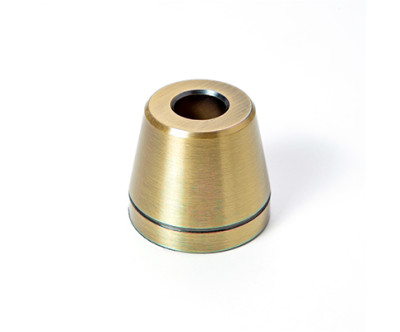
In modern manufacturing,precision tolerances are a critical aspect of producing high-quality components,especially when it comes to aluminum sleeve housings.Aluminum Sleeve Housing products are widely used across various industries,from automotive to electronics,due to their lightweight properties,corrosion resistance,and versatility.Achieving precise tolerances ensures that each Aluminum Housing Sleeve fits perfectly within complex assemblies,enhancing overall system performance and reliability.
The process of manufacturing Aluminum Sleeve Housing begins with selecting high-grade aluminum alloys.These alloys are chosen not only for their durability but also for their machinability,allowing for tight dimensional control.Aluminum Sleeve Enclosure components often require tolerances within a few microns,demanding advanced CNC machining and quality inspection techniques.High-precision machining ensures that the Aluminum Industrial Housing parts maintain consistency across large production runs,reducing the risk of assembly errors and equipment malfunctions.
One key factor in precision tolerances is the thermal stability of aluminum during machining.Since aluminum expands and contracts with temperature changes,careful monitoring of ambient and equipment temperatures is essential.Manufacturers also employ specialized cutting tools and lubrication methods to minimize heat generation,ensuring that the Aluminum Component Housing maintains its intended dimensions throughout the production process.Additionally,surface treatments and anodizing can slightly alter dimensions,so final tolerances must account for these finishing steps.
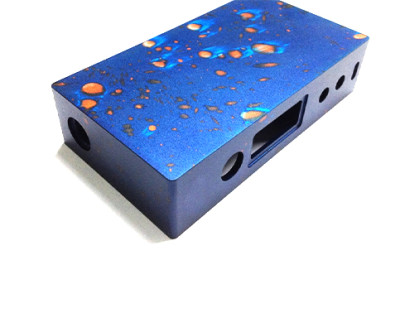
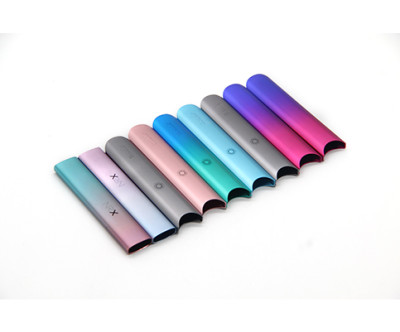
Precision tolerances not only improve the mechanical performance of Aluminum Sleeve Housing but also contribute to the aesthetic appeal of products.In consumer electronics,for instance,Aluminum Sleeve Enclosure designs must provide smooth edges and consistent dimensions to accommodate sensitive electronic components.In industrial applications,Aluminum Industrial Housing parts with tight tolerances help prevent vibrations,noise,and premature wear,leading to longer service life and better reliability.
Quality assurance plays a pivotal role in maintaining precision tolerances.Advanced metrology tools,such as coordinate measuring machines(CMMs)and laser scanners,are employed to inspect every Aluminum Housing Sleeve component before shipment.These inspections verify that dimensions,roundness,and alignment meet stringent industry standards.By implementing rigorous quality control,manufacturers can guarantee that each Aluminum Component Housing part delivers superior performance,meeting both customer expectations and regulatory requirements.
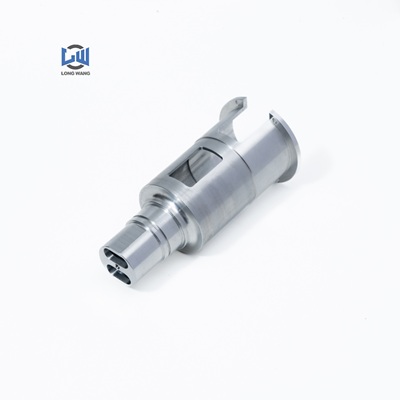
Moreover,precision tolerances allow for more efficient assembly processes.When Aluminum Sleeve Housing components are produced with high accuracy,assembly lines can operate smoothly without adjustments,reducing labor costs and production time.For sectors like automotive and aerospace,where tolerances are exceptionally tight,this precision ensures safety,functionality,and overall system efficiency.Consequently,manufacturers that specialize in Aluminum Sleeve Enclosure and Aluminum Industrial Housing production invest heavily in precision engineering technologies.
In conclusion,achieving precision tolerances in Aluminum Sleeve Housing manufacturing is vital for both functionality and aesthetics.From selecting the right aluminum alloys to employing state-of-the-art machining and inspection technologies,every step in the production process contributes to high-quality outcomes.Whether used as an Aluminum Housing Sleeve in consumer electronics or as an Aluminum Industrial Housing in heavy machinery,precise components enhance performance,reliability,and longevity.Manufacturers who prioritize precision tolerances set themselves apart,offering superior Aluminum Sleeve Enclosure and Aluminum Component Housing solutions that meet the demands of modern industries.