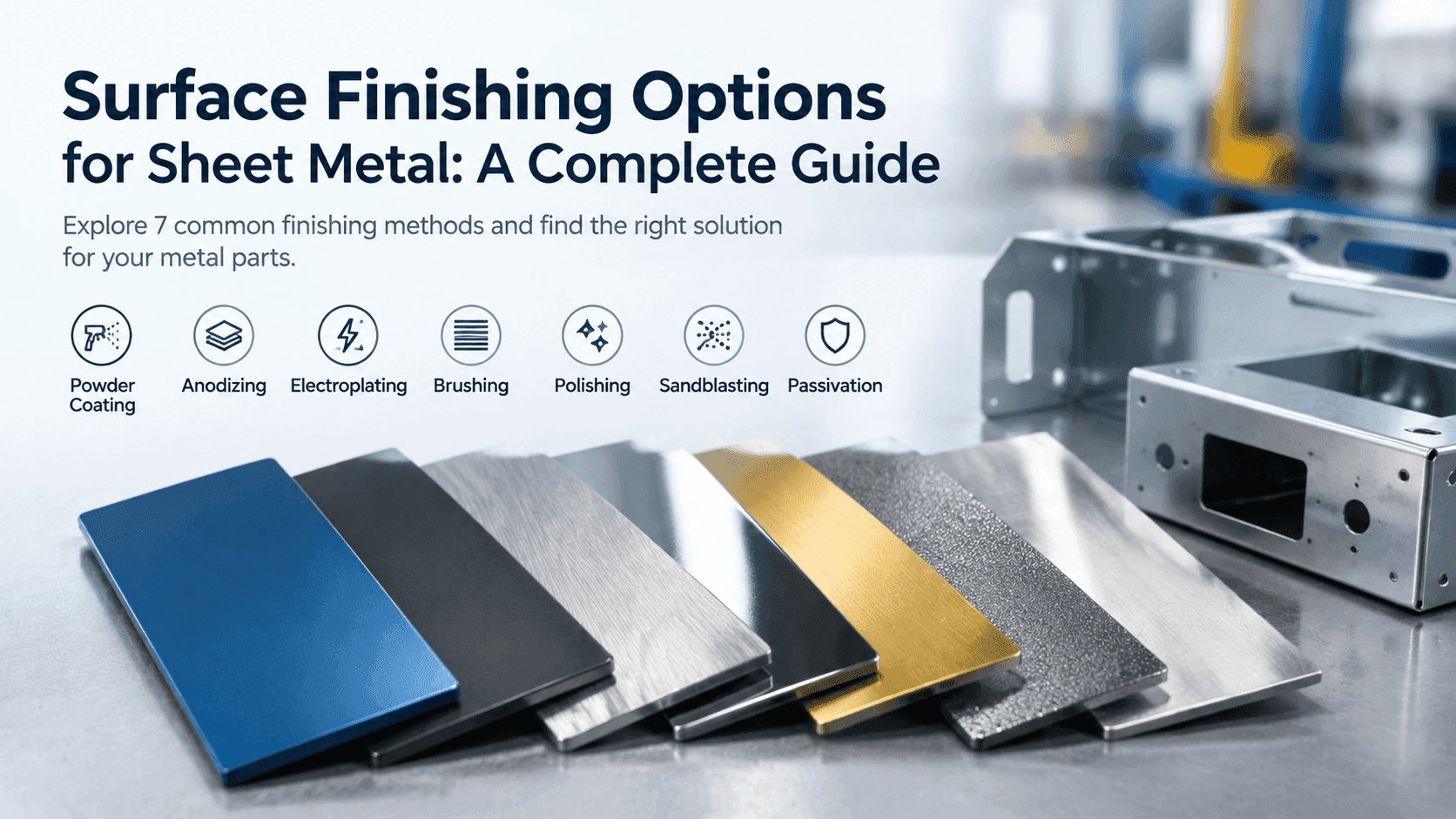
Sheet metal fabrication does not end when the cutting, bending, or welding process is completed. The surface finish applied to a metal part can significantly affect its appearance, durability, corrosion resistance, and overall performance.
Choosing the right sheet metal finish depends on factors such as the material, application environment, required appearance, and functional requirements. For example, a decorative enclosure may need a smooth and attractive finish, while industrial components may require maximum protection against wear and corrosion.
In this guide, we will explore seven common surface finishing options for sheet metal: powder coating, anodizing, electroplating, brushing, polishing, sandblasting, and passivation.
Powder coating is one of the most widely used finishing methods for sheet metal parts. It involves applying a dry powder onto the metal surface using an electrostatic process, followed by heating the part in an oven to create a strong protective layer.
One of the main advantages of powder coating is its excellent durability. It provides good resistance to scratches, impact, chemicals, and corrosion. It is also available in a wide range of colors and textures, making it a popular choice for products where appearance matters.
Powder coating is commonly used for electrical enclosures, automotive components, machinery covers, furniture, and outdoor equipment.
However, powder coating may not be suitable for applications that require extremely thin coatings or very tight dimensional tolerances, as the coating thickness can slightly affect part dimensions.
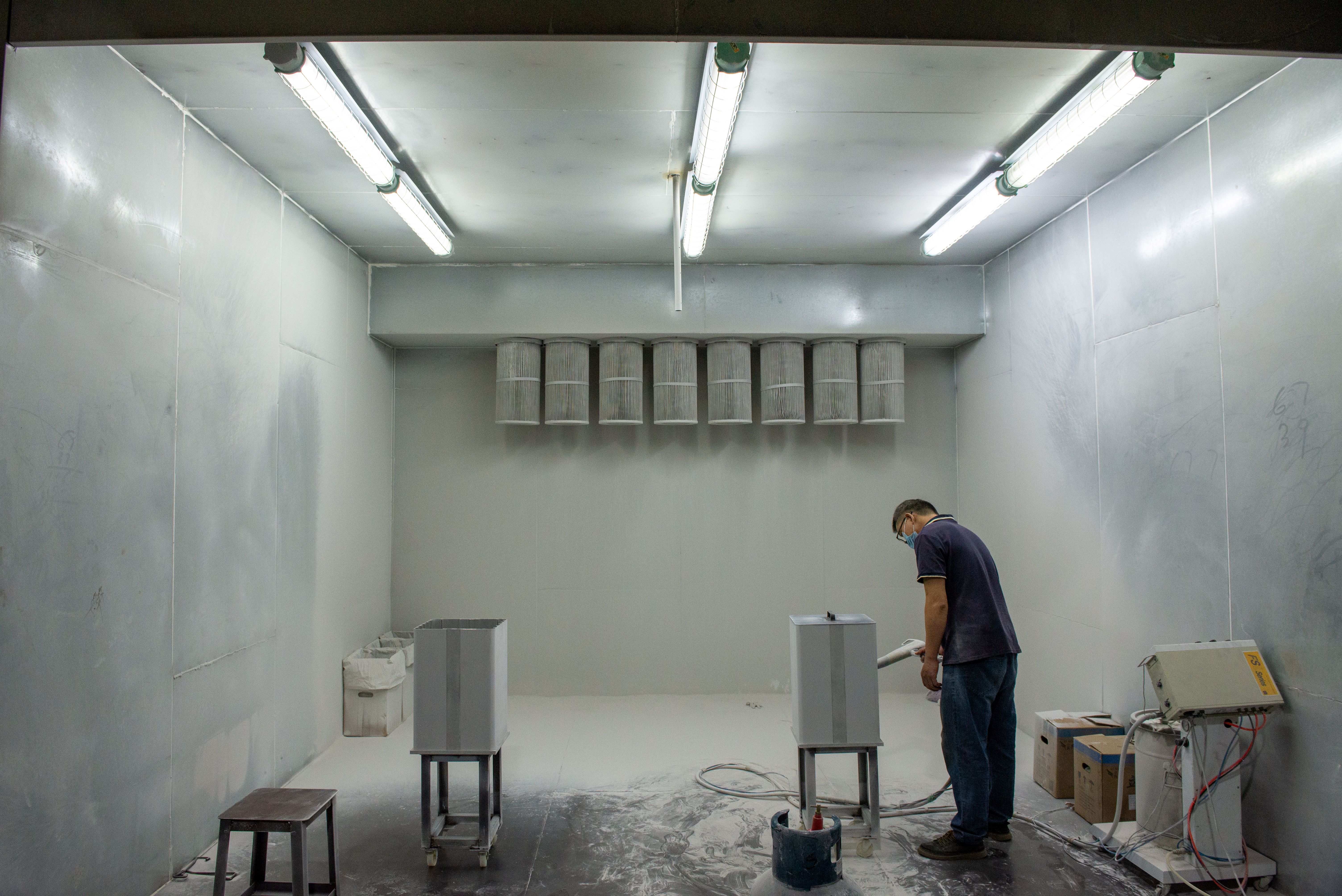
Anodizing is an electrochemical finishing process mainly used for aluminum sheet metal parts. Unlike coatings that add a layer on top of the surface, anodizing strengthens the natural oxide layer of aluminum, improving corrosion resistance and surface hardness. There are different types of anodizing available, with Type II and Type III being the most common. Type II anodizing provides good corrosion protection and decorative options, while Type III, also known as hard anodizing, creates a thicker and harder surface for applications requiring better wear resistance. Anodized aluminum has a clean, professional appearance and can be produced in various colors. It is widely used in aerospace components, electronic housings, consumer products, and precision-machined parts.
Electroplating involves depositing a thin layer of metal onto the surface of a sheet metal part through an electrochemical process. Common plating materials include nickel, zinc, chrome, and copper. The primary purpose of electroplating is to improve corrosion resistance, hardness, electrical conductivity, or appearance. For example, zinc plating is often used to protect steel parts from rust, while nickel plating can provide a smooth and wear-resistant surface. Electroplating is commonly applied to automotive parts, electronic components, industrial hardware, and precision mechanical parts. The choice of plating material depends on the working environment and the required performance of the final product.
Brushing is a mechanical finishing process that creates a consistent directional pattern on the metal surface. It is usually performed using abrasive belts or brushes to remove surface imperfections and create a uniform texture. This finish provides a modern and refined appearance while reducing the visibility of fingerprints and minor scratches. Brushed metal is often chosen for products where aesthetics are important, such as kitchen equipment, architectural panels, appliances, and electronic housings. Besides improving appearance, brushing can also help prepare the surface for additional finishing processes.
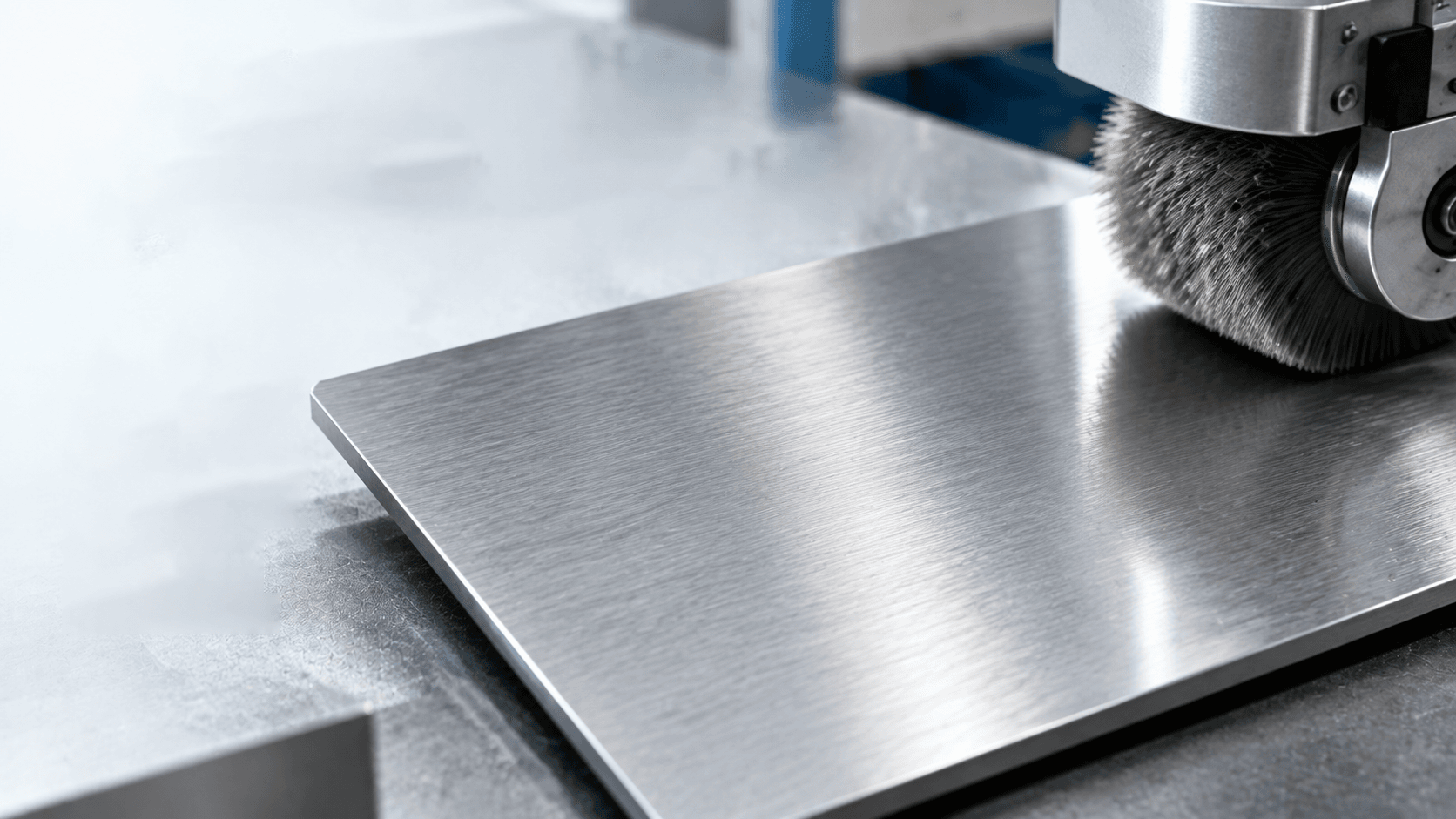
Polishing is used to create a smooth and highly reflective surface on sheet metal parts. During the process, abrasive materials gradually remove surface irregularities until the desired level of smoothness is achieved. Polished finishes are often selected for decorative applications where a premium appearance is required. Stainless steel products, medical equipment, consumer electronics, and high-end machinery components commonly use polished surfaces. While polishing creates an attractive finish, it may require more processing time and maintenance because highly polished surfaces can show fingerprints and scratches more easily.
Sandblasting, also known as abrasive blasting, uses high-pressure air to spray abrasive media onto the metal surface. This process removes oxidation, contaminants, and surface imperfections while creating a uniform matte texture. Sandblasting is often used before painting, powder coating, or anodizing because it improves surface adhesion. It can also be used as a final finish when a non-reflective appearance is desired. Typical applications include machine parts, aluminum enclosures, automotive components, and industrial equipment.
Passivation is a chemical treatment mainly used for stainless steel parts. It removes free iron and contaminants from the surface, allowing the natural chromium oxide layer to form and improve corrosion resistance. Unlike coatings, passivation does not add a visible layer to the metal surface. Instead, it enhances the material’s natural protective properties while maintaining the original appearance. Passivation is widely used in industries with strict cleanliness and corrosion requirements, including medical devices, aerospace components, food processing equipment, and precision instruments.
Selecting the best surface finish depends on your specific application requirements. If you need strong color options and durable protection, powder coating may be the right choice. For lightweight aluminum parts, anodizing offers excellent corrosion resistance and appearance. If corrosion protection for steel components is the priority, electroplating or passivation may be more suitable. Other factors such as production volume, cost, environmental conditions, and required tolerances should also be considered before making a decision. A professional sheet metal fabrication partner can help evaluate your design requirements and recommend the most suitable finishing solution. The right surface treatment not only improves the appearance of your parts but also extends their service life and enhances overall performance.
Choosing the right surface finish can make a significant difference in the performance, appearance, and durability of your sheet metal components. Whether you need corrosion protection, a specific aesthetic finish, or improved surface performance, selecting the right finishing process is essential. At Longwang, we provide custom sheet metal fabrication and surface finishing solutions, including powder coating, anodizing, electroplating, sandblasting, polishing, and other finishing options. Our engineering team works closely with customers to recommend the most suitable finishing method based on material selection, application requirements, and production needs. From prototypes to low-volume and mass production, we help businesses create high quality metal parts with reliable precision and consistent finishes. Have a custom sheet metal project in mind? Contact Longwang today to discuss your requirements and get a professional quote for your metal fabrication and finishing needs.
Next
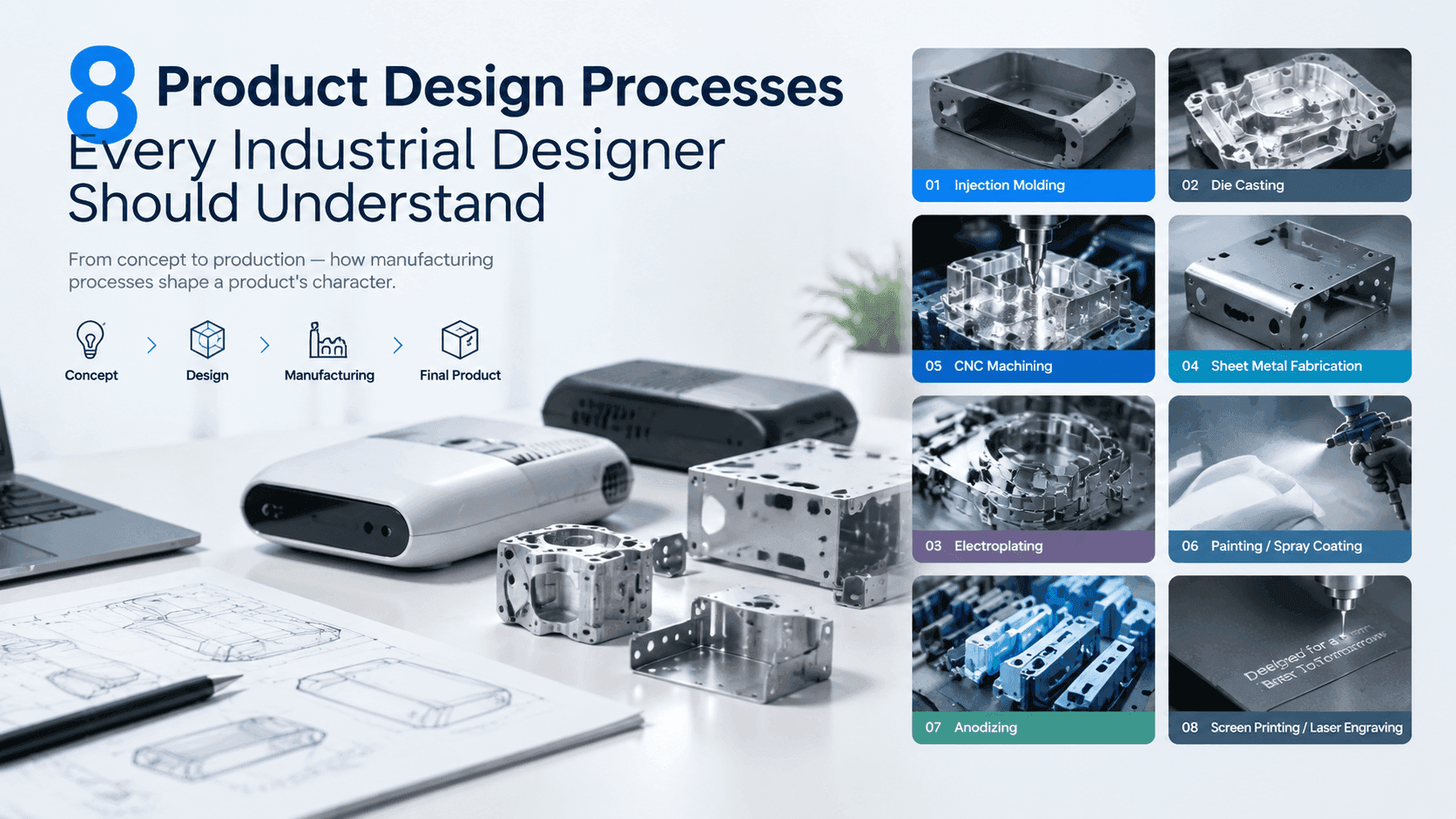
8 Product Design Processes Every Industrial Designer Should Understand
2026-09-15When designing a product, it is easy to focus only on the form and renderings. The final concept may look great, but when someone asks how it will actually be manufactured, the answer may not be so clear.
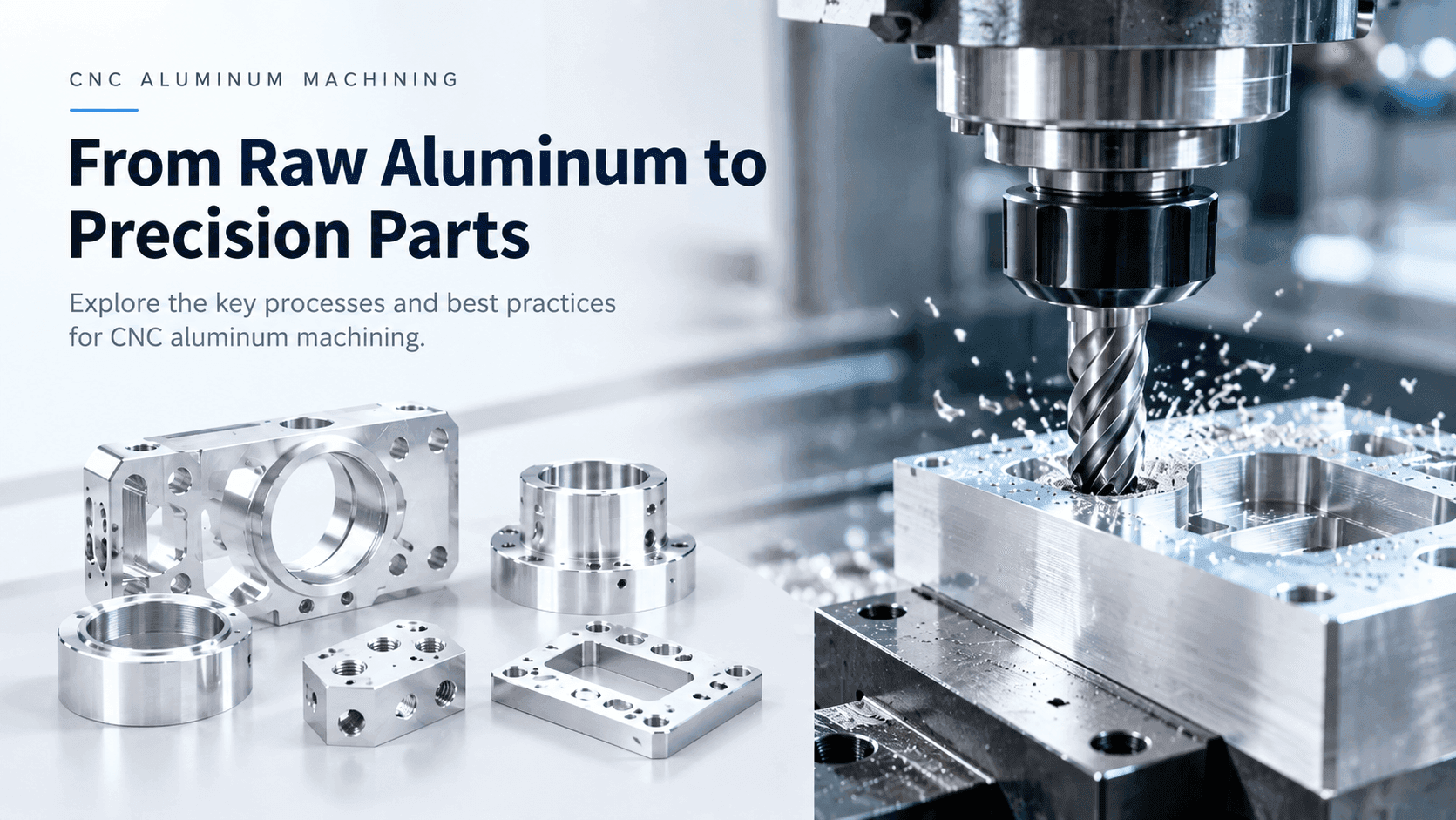
What are the Common Machining Methods for CNC Aluminum Alloy Parts?
2026-09-14A practical guide to CNC milling, CNC turning, drilling, finishing, and design considerations for precision aluminum components.

Get in Touch With us
Helping customers grow steadily and achieve win-win development

Your trusted partner for CNC machining, sheet metal fabrication, stamping, and assembly. From prototyping to mass production with strict quality control.
tel:
0769-82763299
Mobile:
+86 18988716988
fax:
0769-82763199
Address:
No.3 Longze Road, Chang'an Town, Dongguan City, Guangdong Province, China,523861


Copyright © 2008-2026 | Dongguan Longwang Hardware Co., Ltd. | All Rights Reserved.


