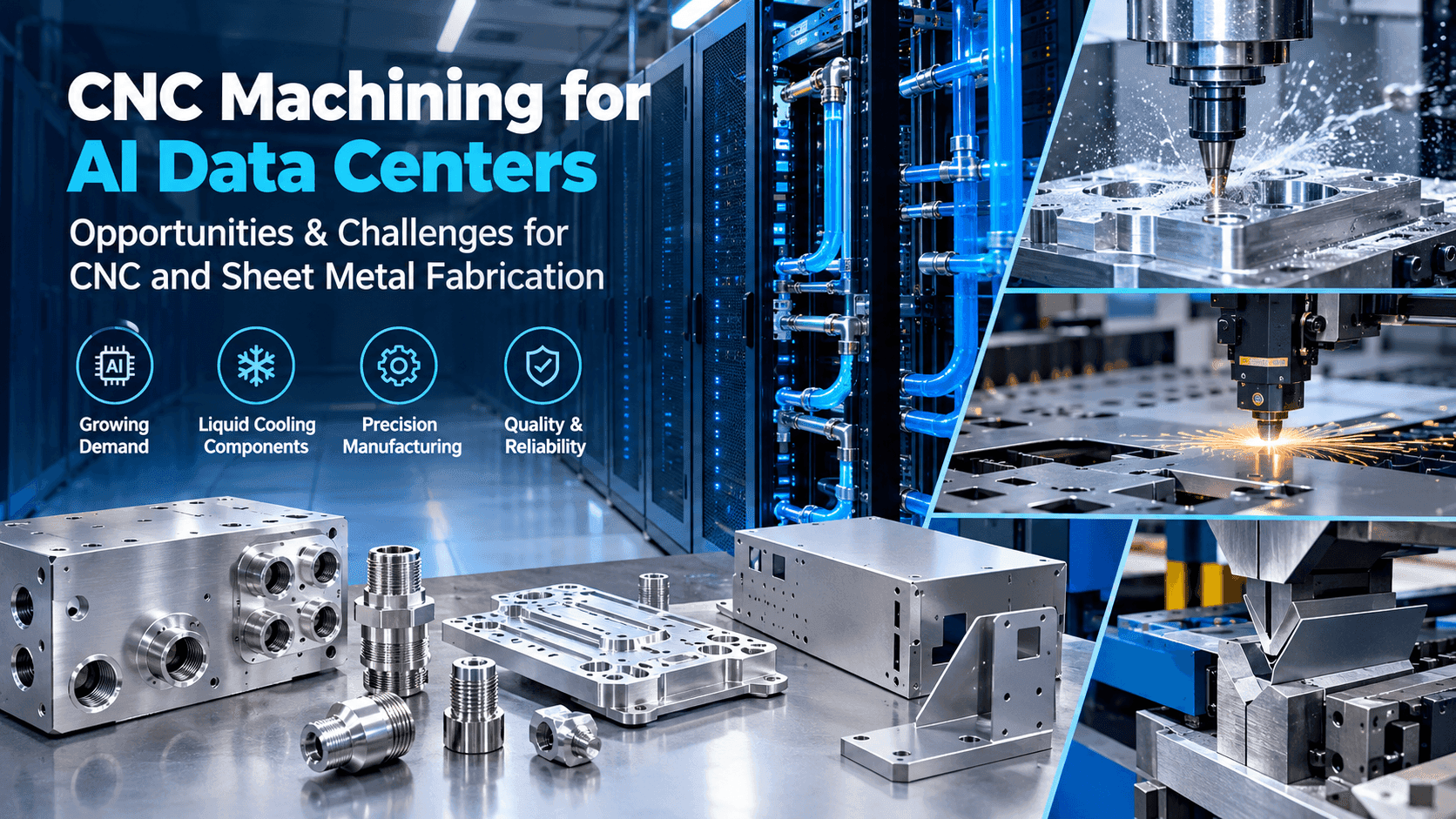
Artificial intelligence is changing more than just software and computing. It is also reshaping the physical infrastructure required to run AI models, including servers, power distribution equipment, cooling systems, racks, and precision mechanical components.
For CNC machining and sheet metal fabrication companies, this creates new opportunities beyond traditional industrial markets. As AI infrastructure expands, manufacturers may find demand for liquid cooling components, precision fittings, structural brackets, equipment enclosures, server chassis, and custom metal parts.
However, entering this market is not simply a matter of buying new machines or adding “AI” to a product catalogue. AI infrastructure suppliers often face demanding requirements for dimensional accuracy, leak prevention, material compatibility, cleanliness, traceability, and consistent production quality.
For manufacturers with existing CNC machining, CNC turning, laser cutting, bending, welding, and inspection capabilities, the practical question is this: Which AI-related components are worth targeting, and what must a factory do to become a reliable supplier?
This guide examines the opportunities, technical requirements, and commercial challenges that CNC machining and sheet metal fabrication companies should consider before entering the AI infrastructure supply chain.
AI workloads require substantial computing power. As AI servers become more powerful and computing equipment is deployed at higher densities, data center operators must address several connected engineering challenges: heat removal, equipment packaging, power delivery, reliability, and maintainability.
Deloitte’s 2026 technology outlook identifies AI infrastructure and data center systems as important drivers of hardware demand. It also highlights how higher-power computing and liquid cooling are reshaping the data center hardware ecosystem. These trends create opportunities for manufacturers that supply the physical components behind the technology.
For metalworking companies, three developments deserve particular attention.
Traditional air cooling remains suitable for many systems, but high-density AI infrastructure is increasing interest in liquid cooling. Direct-to-chip systems transfer heat from processors into cold plates, while coolant distribution units and manifolds help circulate and distribute coolant. These systems depend on numerous mechanical components, including machined interfaces, threaded ports, adapters, brackets, and sheet metal structures.
AI infrastructure is not made up of processors alone. Server racks, chassis, cable management systems, power equipment, cooling units, and mounting structures all require mechanical design and manufacturing.
This creates potential demand for both precision machined parts and fabricated sheet metal parts.
AI equipment manufacturers need parts that meet specifications consistently and arrive according to production schedules. Suppliers must therefore demonstrate more than machining capacity: they need dependable process control, inspection records, communication, and the ability to scale production when demand increases.
The opportunity is real, but it favors manufacturers that can match their capabilities to specific product requirements rather than pursuing every AI-related component.
Not every component in an AI cooling system or server requires CNC machining. The best manufacturing process depends on the part geometry, material, functional requirements, production volume, and assembly method.
The following categories offer potential entry points for established metalworking suppliers.
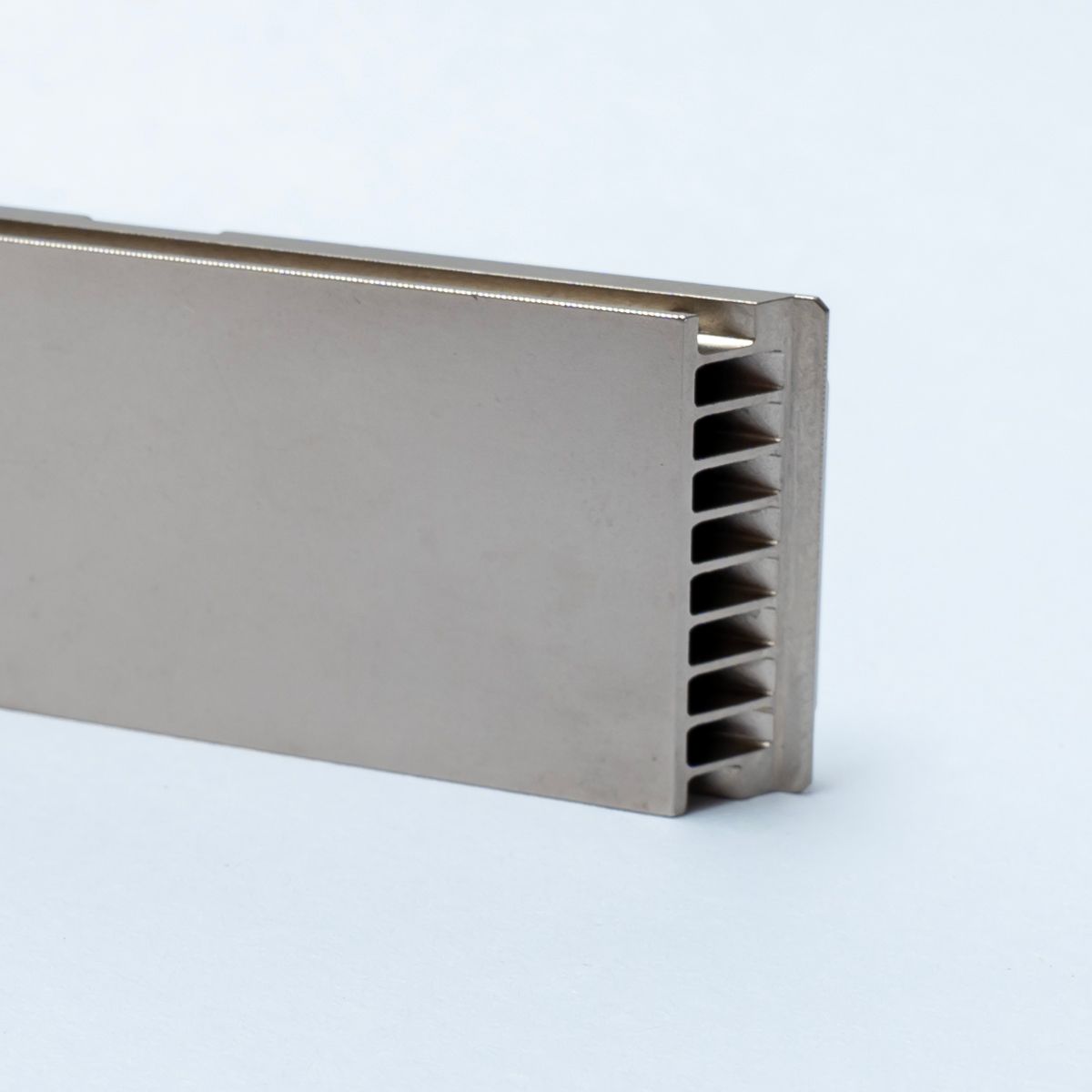
Liquid cooling is one of the most relevant areas to investigate because it combines fluid handling, precision interfaces, and mechanical assembly.
Potential CNC machined parts include:
For example, a CNC machining manifold block may require accurately positioned ports, threaded connections, flat sealing surfaces, and controlled internal passages. A fitting may require precise threads, grooves, shoulders, and mating dimensions to ensure correct assembly with other parts.
These parts can be suitable for milling, drilling, tapping, boring, or CNC turning. The actual process route depends on the design.
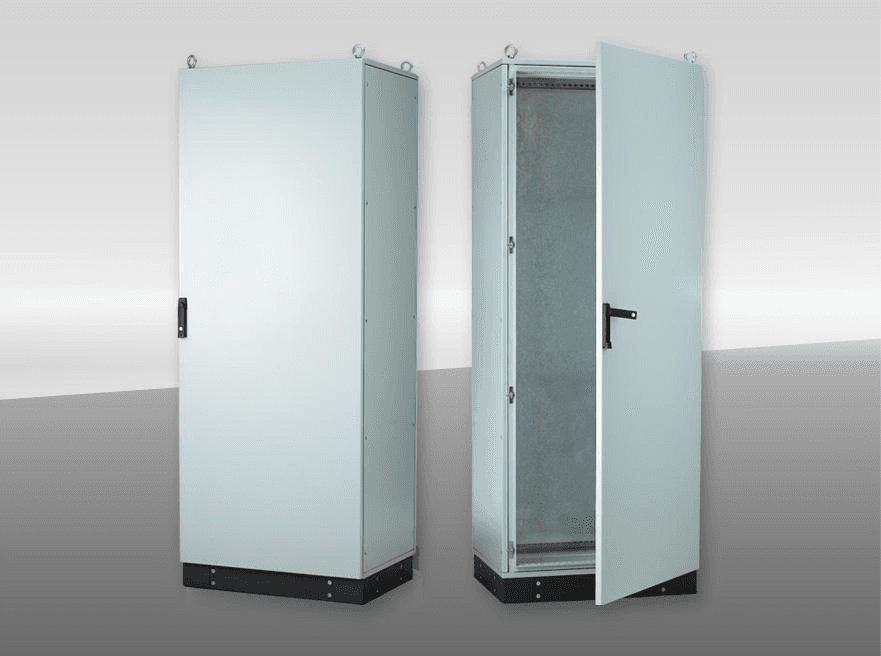
Sheet metal fabrication offers a different entry point. Many AI infrastructure products require enclosures and supporting structures to protect equipment, organize components, and simplify installation and maintenance.
Potential applications include:
Laser cutting, bending, welding, and finishing can support these applications. Depending on the product, additional requirements may include threaded inserts, hardware installation, surface finishing, dimensional inspection, and subassembly.
For sheet metal manufacturers, the opportunity is not limited to producing flat panels. Customers may value a supplier that can coordinate fabrication, finishing, hardware installation, and assembly through a single production workflow.
However, enclosure work and pressure-containing fluid equipment are not equivalent. A sheet metal enclosure should not be treated as a pressure boundary unless it has been specifically designed, manufactured, and validated for that purpose.
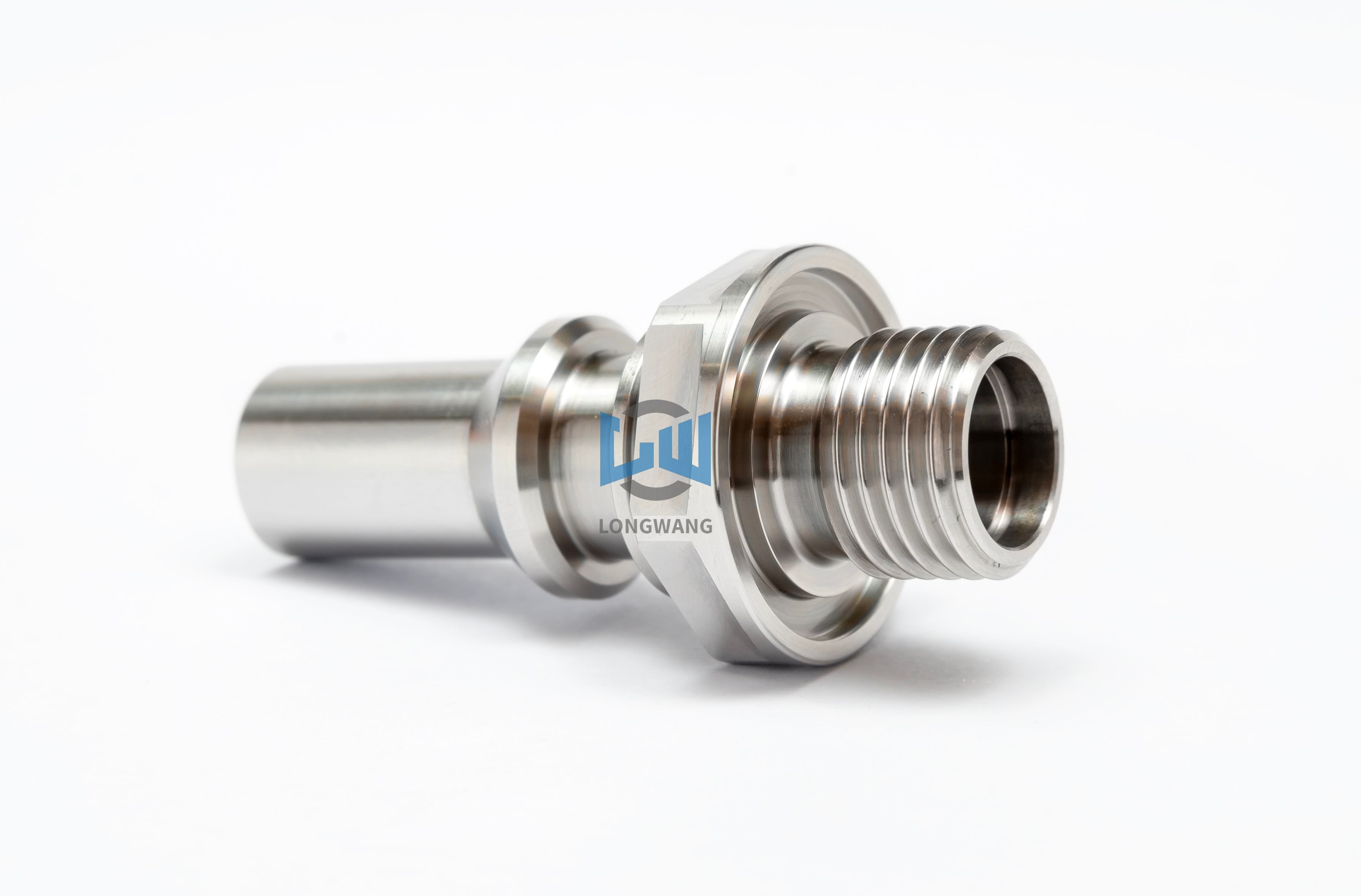
CNC turning and Swiss-type turning may be appropriate for components with cylindrical geometry, especially where parts contain concentric features, grooves, threads, shoulders, or narrow dimensional tolerances. Depending on the drawing and equipment envelope, potential applications include adapters, sleeves, spacers, inserts, shafts, and selected valve or connector components. Swiss-type turning is especially suited to small, slender, or complex turned parts when workpiece dimensions and production requirements fit the process.
Not every fluid connector or quick-disconnect component suits a general-purpose machine shop. Some products require specialized internal mechanisms, sealing designs, cleanliness controls, or validation against customer-specific performance requirements. Manufacturers should assess each drawing before quoting.
A practical market-entry strategy starts with products that align with existing equipment and quality systems. It does not begin with the most technically complex component in the cooling system.
| Priority | Component Category | Why it may be suitable | Main consideration |
|---|---|---|---|
| First | Sheet metal brackets, covers, panels, and equipment structures | Uses established cutting, bending, and welding processes | Dimensional consistency, finish, assembly fit |
| First | CNC machined adapters, mounting interfaces, and selected manifold parts | Uses milling, drilling, tapping, or turning capabilities | Threads, sealing surfaces, material compatibility |
| Second | Precision fittings and turned fluid-control parts | May suit CNC turning or Swiss-type turning | Tolerances, sealing features, cleanliness |
| Later | Cold plate bases and covers | May involve machining and part integration | Internal channels, joining, leak and thermal validation |
| Specialized | Complete cold plates, qualified quick-disconnect assemblies, and complete CDUs | Often require a wider engineering and validation system | Specialized process, testing, system-level performance |
This is a suggested screening framework, not a universal ranking. The right priority depends on a factory's equipment, inspection capabilities, customer access, and willingness to invest in new processes.
For a manufacturer already equipped for CNC machining and sheet metal fabrication, starting with mechanical structures and lower-complexity machined components can be a more controlled approach than immediately pursuing complete cooling assemblies.
For many general-purpose metal parts, dimensional conformity and appearance are major acceptance criteria. For liquid cooling and other mission-critical infrastructure components, additional failure modes must be considered.
Threads, ports, grooves, mating features, and sealing surfaces must conform to the drawing. Incorrect geometry can cause assembly problems, unreliable sealing, or poor component alignment.
Inspection plans should identify critical dimensions, suitable measurement equipment, sampling frequency, and documentation requirements.
For fluid-containing components, testing must follow the customer's specified procedure. The required method may be a hydrostatic pressure test, pneumatic leak test, or another approved method, depending on the design and applicable safety requirements. The test pressure, duration, acceptance criteria, and safety precautions should be agreed upon before production.
Machining can leave chips, burrs, cutting fluid, and other residues. These contaminants may interfere with small coolant passages, valves, or sensitive fluid-control interfaces. Depending on the application, manufacturers may need controlled deburring, cleaning, rinsing, drying, and packaging procedures. Customers may also specify particle limits or cleanliness verification methods.
Material selection must account for the coolant, temperature, pressure, surrounding materials, and service environment. Aluminum, copper alloys, stainless steel, and other engineering materials may be appropriate for different designs, but they should not be treated as interchangeable. Material certification, batch traceability, and control of the specified alloy may be required. Surface treatments also need to be reviewed for their compatibility with the coolant and sealing interfaces.
A successful prototype does not guarantee a stable production process. Manufacturers should define how critical dimensions, material batches, process parameters, inspection results, and nonconforming parts will be controlled as production scales. For buyers, this evidence can be as important as the initial sample.
For engineering teams and procurement managers sourcing components for AI infrastructure, a suitable supplier should be evaluated on more than unit price. You need to consider asking the following questions:
For complex liquid cooling components, also clarify who is responsible for final leak testing, cleanliness verification, and any thermal or flow-performance validation. A transparent supplier should explain both its strengths and its limitations before production begins.
AI infrastructure is creating new requirements for cooling systems, server structures, fluid-control hardware, and precision mechanical components. For CNC machining and sheet metal fabrication companies, the opportunity lies in identifying the parts that match their existing capabilities and building the quality systems needed to supply them reliably.
The key is to combine manufacturing capability with disciplined process selection, clear quality requirements, realistic investment decisions, and transparent communication with customers.
Looking for a manufacturing partner for custom CNC-machined or sheet metal components? Share your drawings, material requirements, target quantities, and inspection specifications with our team. We can review the manufacturing requirements, assess process suitability, and discuss a practical route from prototype to production.
Next
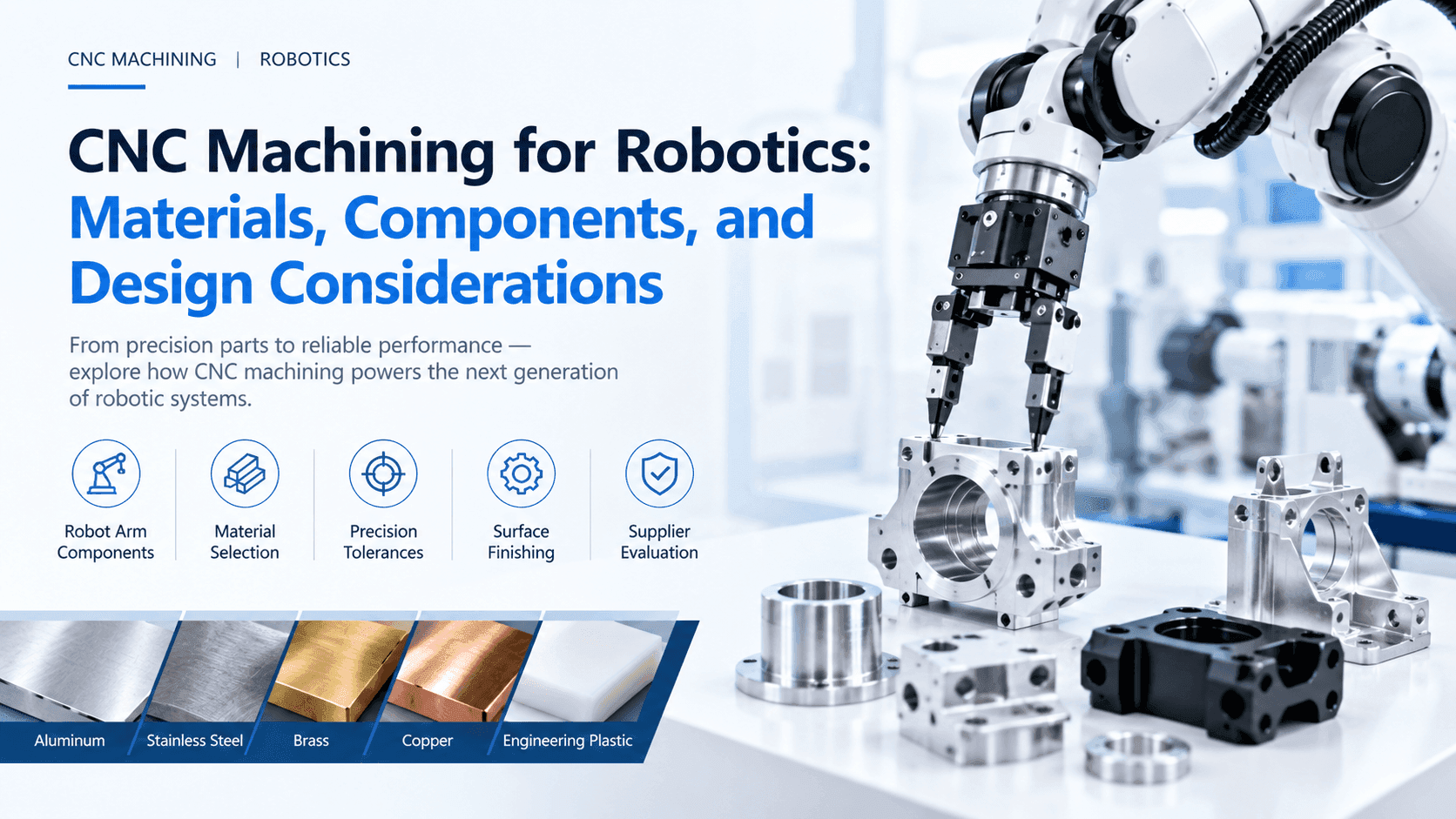
CNC Machining for Robotics: Materials, Components, and Design Considerations
2026-10-19CNC machining for robotics allows manufacturers to produce custom metal components with controlled dimensions, complex geometries, and functional surface finishes. However, successful production involves more than selecting a machine. Material properties, tolerances, part geometry, and assembly requirements must work together. This guide explains the main CNC machined robot parts, how to select suitable materials, and what engineers should consider when designing components for robotic applications.
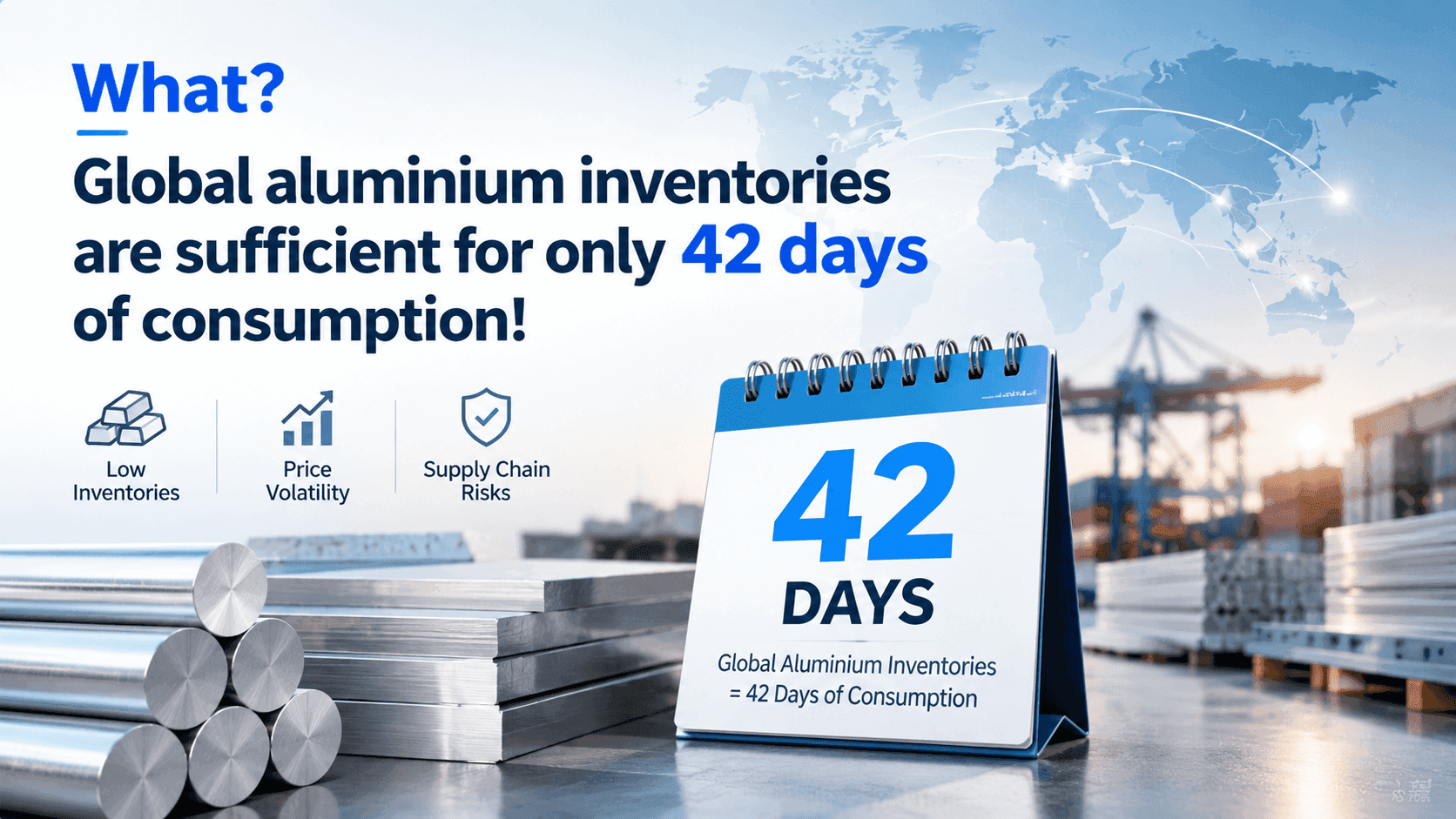
What? Global aluminum inventories are sufficient for only 42 days of consumption!
2026-10-17Global aluminum inventories remain exceptionally low, raising concerns about supply security and material costs across the manufacturing industry. On October 16, 2026, Alcoa highlighted global aluminum inventory levels equivalent to approximately 42 days of consumption, according to the reported earnings discussion. For CNC machining companies, the issue goes beyond commodity prices. Material availability, alloy specifications, procurement lead times, and production planning all influence the final cost of machined parts.

Get in Touch With us
Helping customers grow steadily and achieve win-win development

Your trusted partner for CNC machining, sheet metal fabrication, stamping, and assembly. From prototyping to mass production with strict quality control.
tel:
0769-82763299
Mobile:
+86 18988716988
fax:
0769-82763199
Address:
No.3 Longze Road, Chang'an Town, Dongguan City, Guangdong Province, China,523861


Copyright © 2008-2026 | Dongguan Longwang Hardware Co., Ltd. | All Rights Reserved.


